5 hours agoSocial
23LENS
4 SourcesNew Delhi, India
 thebalanced.news
World Water Day Highlights India’s Water Scarcity and Integrated Conservation Efforts
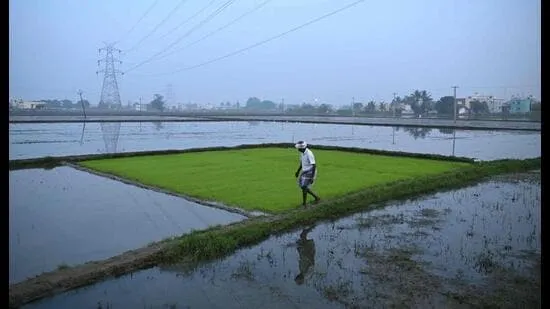
World Water Day highlights the critical challenges of water scarcity and management globally and in India, which holds 18% of the population but only 4% of freshwater resources. Articles emphasize the need for integrated governance, community participation, and innovative approaches like circular water economies and wastewater reuse. Climate change, urbanization, and uneven distribution exacerbate pressures, while initiatives such as the Jal Jeevan Mission aim to improve access. Experts stress that sustainable water use requires protecting natural sources, enhancing treatment, and fostering collective responsibility.
Political Bias
5%79%16%
Sentiment
65%
21 stories available
View AI Analysis
Bias Analysis: The articles collectively present a range of perspectives focusing on government-led initiatives, expert analyses, and community roles in water management. They highlight official programs like the Jal Jeevan Mission and ministry reforms, while also discussing broader ecological and economic frameworks without partisan framing. The coverage balances policy descriptions with calls for societal engagement, reflecting a consensus on the urgency of water issues rather than political contestation.
Sentiment: The overall tone across the articles is cautiously concerned, acknowledging the severity of water scarcity and environmental challenges. However, it remains constructive by emphasizing solutions, ongoing government efforts, and the potential of community involvement. The sentiment is mixed, combining warnings about risks and limitations with hopeful perspectives on innovation and integrated management strategies.
Lens Score: 23/100 — Story is well-covered by media outlets. Public interest: 0/100. Coverage gap: 100%.
Related Coverage
Select a news story to see related coverage from other media outlets.