ICC Approves Pink Ball Trial in Tests to Reduce Bad Light Interruptions
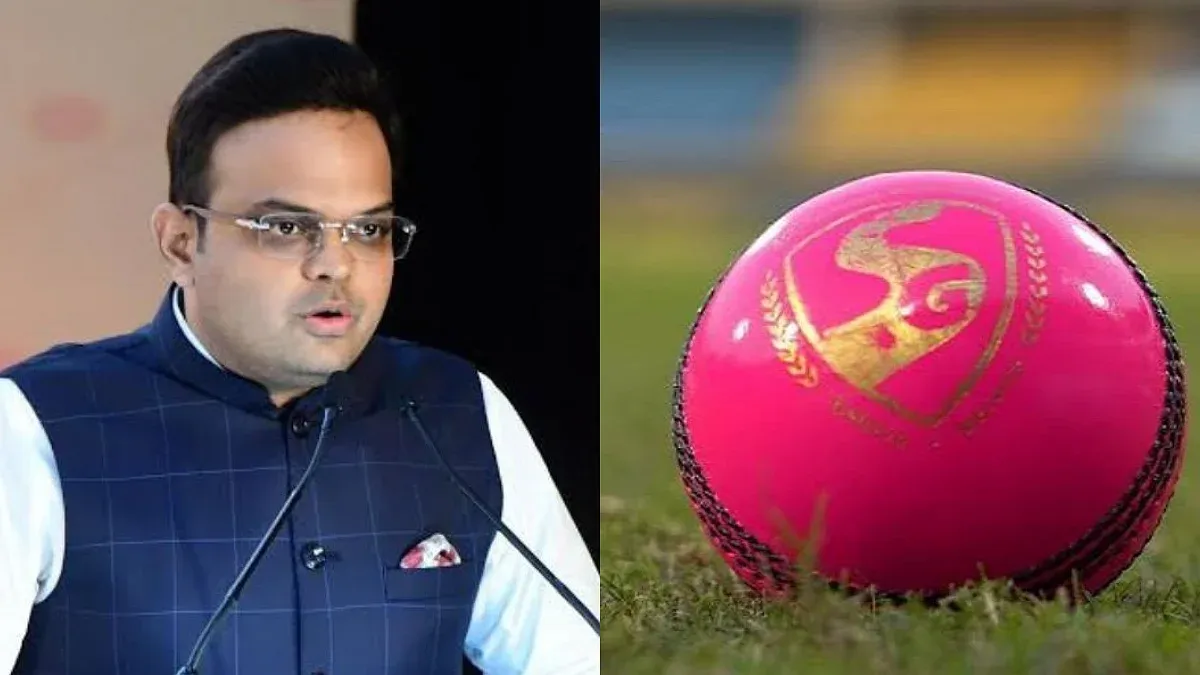
The International Cricket Council (ICC) has approved a trial allowing Test matches to switch from the traditional red ball to a pink ball under floodlights to reduce play lost due to bad light. This change requires prior agreement from both teams before the match or series. Additional updates include permanent adoption of the leg-side wides trial, use of Hawk-Eye data for illegal bowling action reviews, and allowing head coaches to consult players during drinks intervals. These changes will take effect from October 1, 2026, alongside research into improved lighting technology.
First-hand measurement across 12 sources
We measured how 12 outlets covered this story. Coverage leans balanced overall (Left 0%, Centre 100%, Right 0%). Overall sentiment is positive (68/100). Lens Score 28/100 — low public interest.
Outlets analysed (first-hand measurement by TBN's Bias Engine):
- indiatvnews— balanced framing, neutral sentiment
- firstpost— balanced framing, neutral sentiment
- indianexpress— balanced framing, neutral sentiment
- wion— balanced framing, positive sentiment
- businessstandard— balanced framing, positive sentiment
- english— balanced framing, positive sentiment
- indiatoday— balanced framing, positive sentiment
- thestatesman— balanced framing, positive sentiment
AI Analysis
The article group presents a largely neutral and factual perspective focused on ICC's administrative decisions without evident political framing. Coverage includes official statements and technical details, reflecting the governing body's viewpoint and cricket stakeholders. There is no partisan commentary; instead, the sources emphasize the rationale behind the trial and related regulatory updates, representing cricket authorities and teams’ interests.
The overall sentiment across the articles is cautiously positive, highlighting the ICC's proactive measures to address bad light disruptions in Test cricket. While some sources note potential challenges or team hesitations regarding pink ball use, the tone remains constructive, focusing on improvements and modernization efforts. The coverage balances optimism about enhanced playtime with acknowledgment of traditional preferences and ongoing research.