Hybrid Natural Grass Developed for 16 Venues at 2026 FIFA World Cup
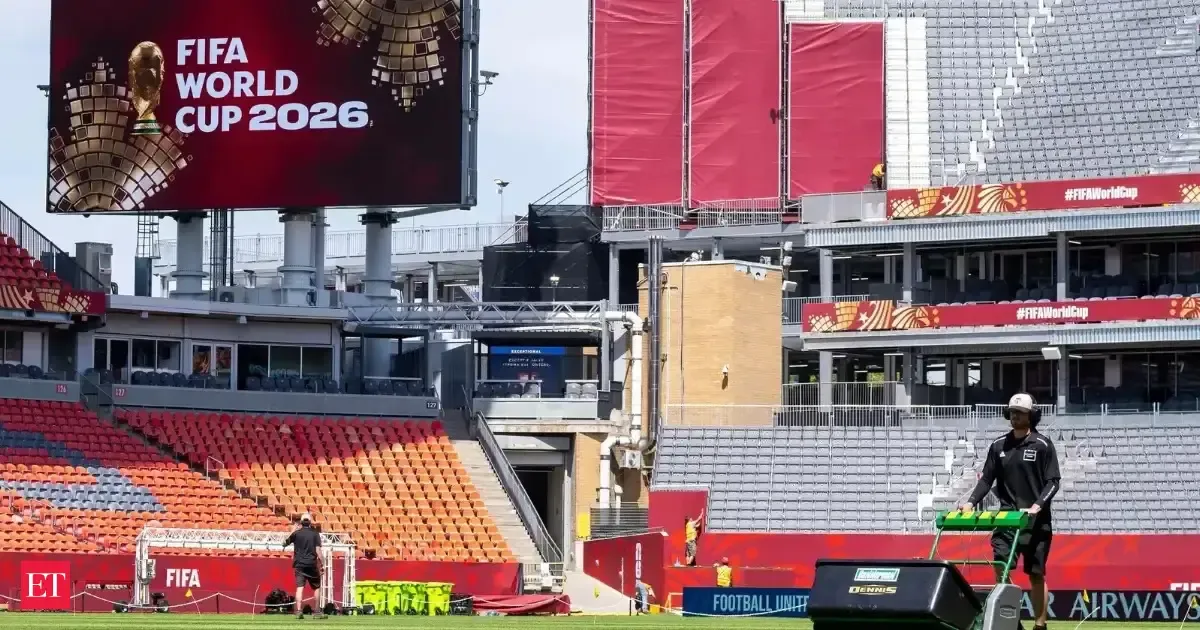
For the 2026 FIFA World Cup across 16 venues in the United States, Canada, and Mexico, researchers and grounds crews have spent nearly eight years developing and preparing hybrid natural grass pitches. These surfaces are engineered to meet FIFA's strict standards for consistency and playability, adapting to diverse climates and stadium conditions, including artificial turf conversions. The goal is to provide flawless, competitively neutral fields that support fair play while remaining unobtrusive to spectators.
First-hand measurement across 2 sources
We measured how 2 outlets covered this story. Coverage leans balanced overall (Left 0%, Centre 100%, Right 0%). Overall sentiment is positive (75/100). Lens Score 28/100 — low public interest.
Outlets analysed (first-hand measurement by TBN's Bias Engine):
- news18— balanced framing, positive sentiment
- economictimes— balanced framing, positive sentiment
AI Analysis
The articles focus on technical and logistical aspects of pitch preparation without political framing. They represent perspectives from academic experts and event organizers, emphasizing collaboration and innovation. There is no evident political bias, as coverage centers on the scientific and operational challenges of preparing the World Cup venues across multiple countries.
The tone across the articles is positive and appreciative, highlighting the extensive research, engineering efforts, and expertise involved in creating high-quality playing surfaces. The sentiment conveys respect for the grounds crews and scientists, with an emphasis on the importance of flawless pitches for the tournament's success.
How 2 sources covered this story
Each source's own headline, political lean, and sentiment — so you can see framing differences at a glance.