2026 FIFA World Cup Faces Challenges from Immigration Policies and Geopolitical Tensions
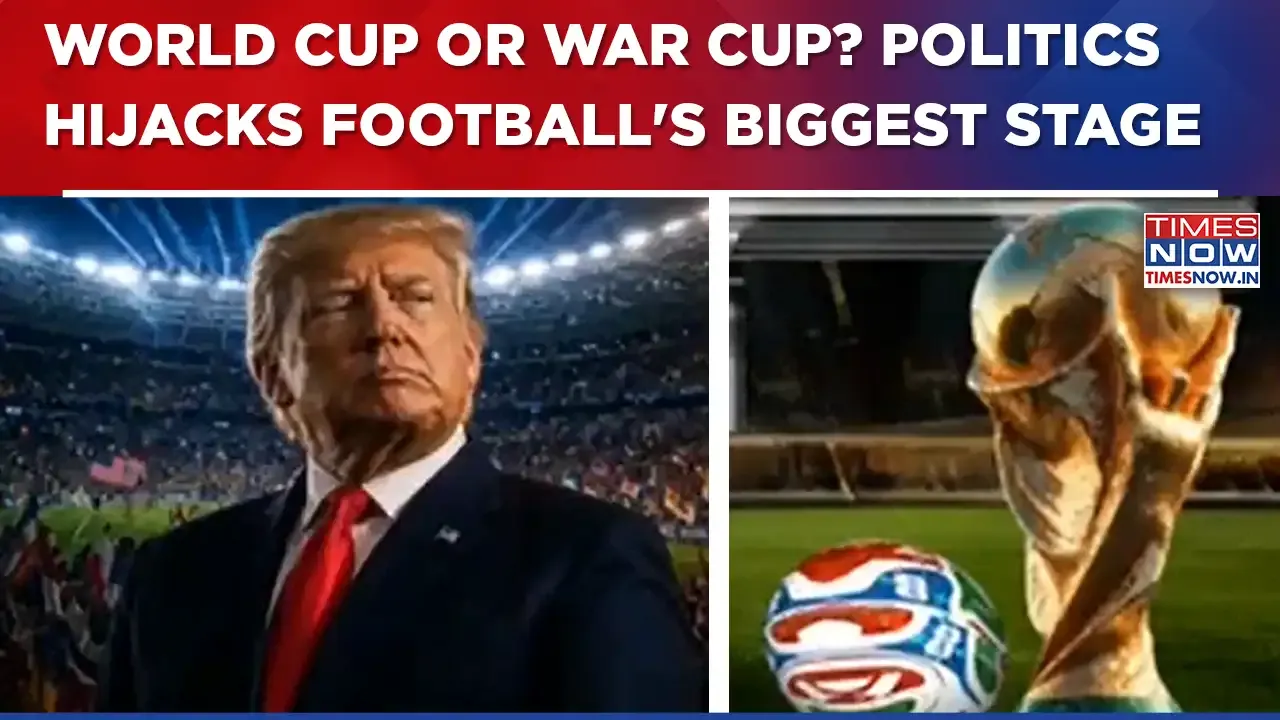
The 2026 FIFA World Cup, expanding to 48 teams, faces challenges as immigration policies and geopolitical tensions raise concerns about fan access and the tournament's inclusive spirit. While the event traditionally symbolizes global unity through iconic moments and shared celebration, growing visa restrictions and regional conflicts prompt debate over whether political issues may overshadow the sporting spectacle.
First-hand measurement across 2 sources
We measured how 2 outlets covered this story. Coverage leans balanced overall (Left 30%, Centre 70%, Right 0%). Overall sentiment is neutral (45/100). Lens Score 21/100 — low public interest.
Outlets analysed (first-hand measurement by TBN's Bias Engine):
- timesnow— balanced framing, neutral sentiment
- thequint— left-leaning framing, neutral sentiment
AI Analysis
The articles present perspectives highlighting the intersection of sports and politics, focusing on immigration and geopolitical issues affecting the World Cup. They reflect concerns about government policies impacting fan participation and the event's global inclusivity, without endorsing any political stance. The coverage balances the tournament's cultural significance with emerging political challenges.
The overall tone is cautiously concerned, acknowledging the World Cup's traditional role as a unifying event while noting potential disruptions from visa restrictions and geopolitical conflicts. The sentiment is mixed, combining appreciation for the tournament's cultural impact with apprehension about political factors that could affect its accessibility and spirit.
How 2 sources covered this story
Each source's own headline, political lean, and sentiment — so you can see framing differences at a glance.