Sanju Samson Omitted from India’s Zimbabwe T20I Squad Amid Selection Debate
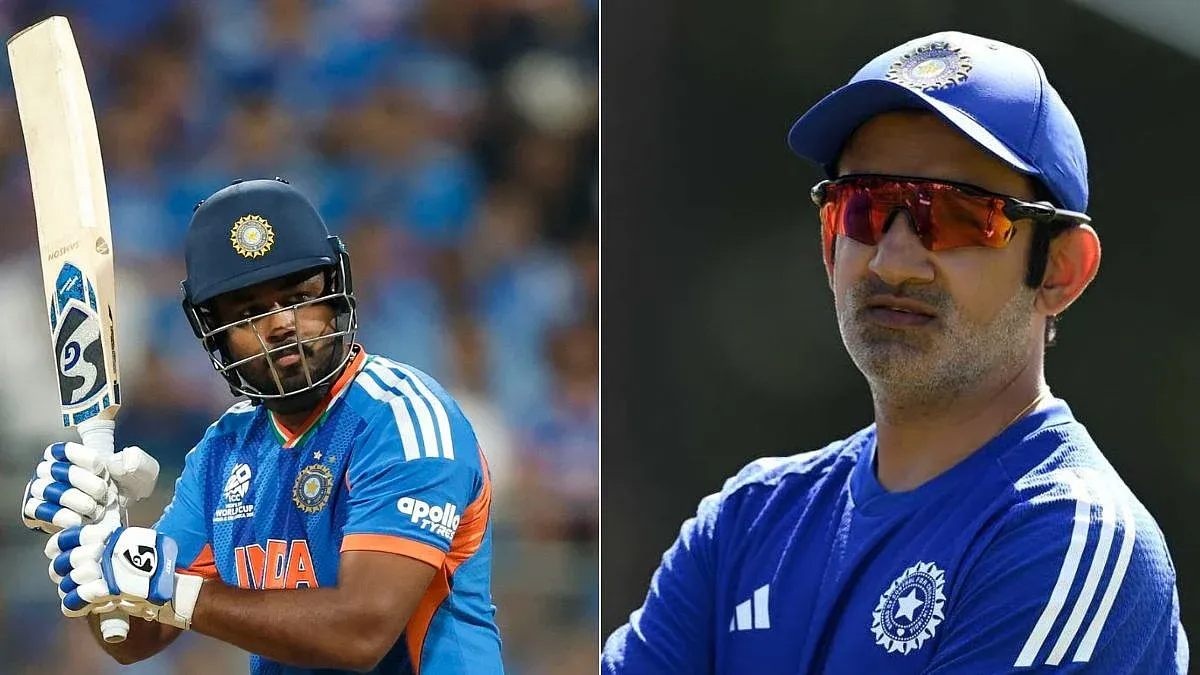
Sanju Samson, Player of the Tournament in India's recent T20 World Cup win, was omitted from the T20I squad for the upcoming Zimbabwe series, sparking debate. Critics including Ravichandran Ashwin, Ajinkya Rahane, and Robin Uthappa questioned the decision, citing Samson's recent performances and impact. The selectors favored younger players like Vaibhav Sooryavanshi, whose inclusion was reportedly supported by head coach Gautam Gambhir. The move has raised concerns about team confidence and selection consistency.
First-hand measurement across 8 sources
We measured how 8 outlets covered this story. Coverage leans balanced overall (Left 0%, Centre 100%, Right 0%). Overall sentiment is neutral (47/100). Lens Score 25/100 — low public interest.
Outlets analysed (first-hand measurement by TBN's Bias Engine):
- news18— balanced framing, neutral sentiment
- timesnow— balanced framing, neutral sentiment
- news18— balanced framing, neutral sentiment
- indianexpress— balanced framing, neutral sentiment
- freepressjournal— balanced framing, neutral sentiment
- indianexpress— balanced framing, neutral sentiment
- indianexpress— balanced framing, neutral sentiment
- news18— balanced framing, neutral sentiment
AI Analysis
The article group presents a range of perspectives primarily from former and current players and cricket analysts, reflecting both support for Sanju Samson and explanations for his omission. While some sources emphasize the selectors' authority and the emergence of new talent, others critique the decision as harsh or inconsistent. The coverage balances views from team insiders, commentators, and fans without overt political framing.
The overall sentiment is mixed, combining concern and criticism over Samson’s exclusion with acknowledgment of the selectors’ prerogative and the rise of younger players. Supportive voices express disappointment and worry about team morale, while factual reporting on performance and selection decisions maintains a neutral tone. The discourse reflects both appreciation for Samson’s past contributions and recognition of recent form challenges.