2026 FIFA World Cup Expands to 48 Teams Amid Ticket Sales Challenges
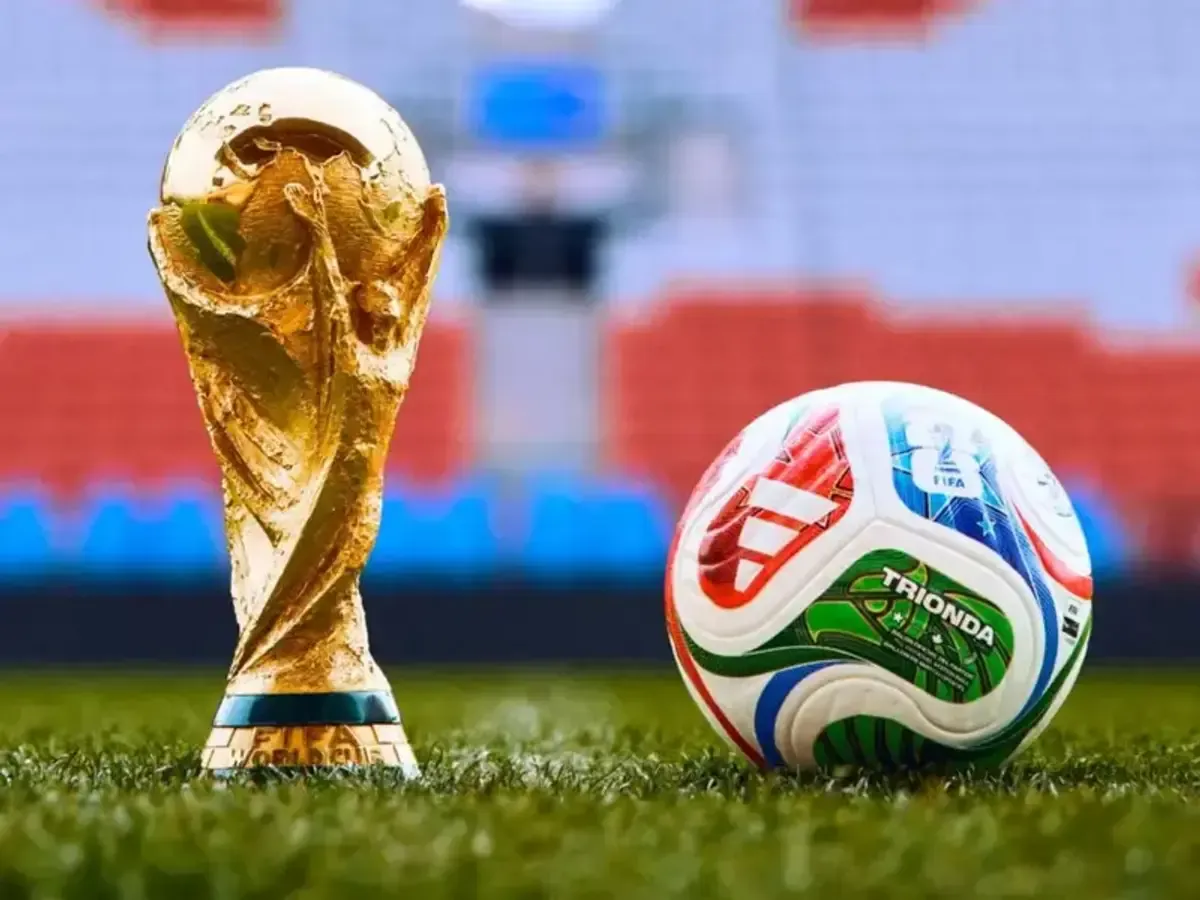
The 2026 FIFA World Cup, hosted jointly by the United States, Mexico, and Canada, will be the largest ever with 48 teams and 104 matches over 39 days. Ticket prices have surged significantly compared to previous tournaments, featuring dynamic pricing that reflects demand. Despite this, about 180,000 tickets remain unsold on official resale platforms, raising concerns about attendance. The tournament spans 16 cities, with the U.S. hosting all knockout matches from the quarter-finals onward, marking the first men's World Cup across three countries.
First-hand measurement across 9 sources
We measured how 9 outlets covered this story. Coverage leans balanced overall (Left 2%, Centre 97%, Right 1%). Overall sentiment is neutral (49/100). Lens Score 26/100 — low public interest.
Outlets analysed (first-hand measurement by TBN's Bias Engine):
- wion— balanced framing, negative sentiment
- firstpost— balanced framing, negative sentiment
- thetelegraph— balanced framing, positive sentiment
- republicworld— balanced framing, neutral sentiment
- news18— balanced framing, negative sentiment
- economictimes— balanced framing, neutral sentiment
- httpswwwoutlookindiacom— balanced framing, negative sentiment
- wion— balanced framing, positive sentiment
AI Analysis
The article group presents a range of perspectives focusing on the tournament's scale, ticket pricing, and logistical aspects without partisan framing. Coverage includes official FIFA information, fan reactions to ticket costs, and comparisons with past World Cups. While some sources highlight criticism of pricing and resale issues, others emphasize the event's historic expansion and hosting details, reflecting a balanced presentation of viewpoints.
The overall tone across the articles is mixed, combining excitement about the tournament's unprecedented size and hosting arrangement with concern over high ticket prices and unsold seats. Positive aspects include the expanded format and geographic diversity, while negative sentiment arises from fan backlash and potential attendance issues. This blend results in a nuanced sentiment reflecting both anticipation and criticism.