Cape Verde Advances to 2026 FIFA World Cup Knockouts Amidst Historic Underdog Run
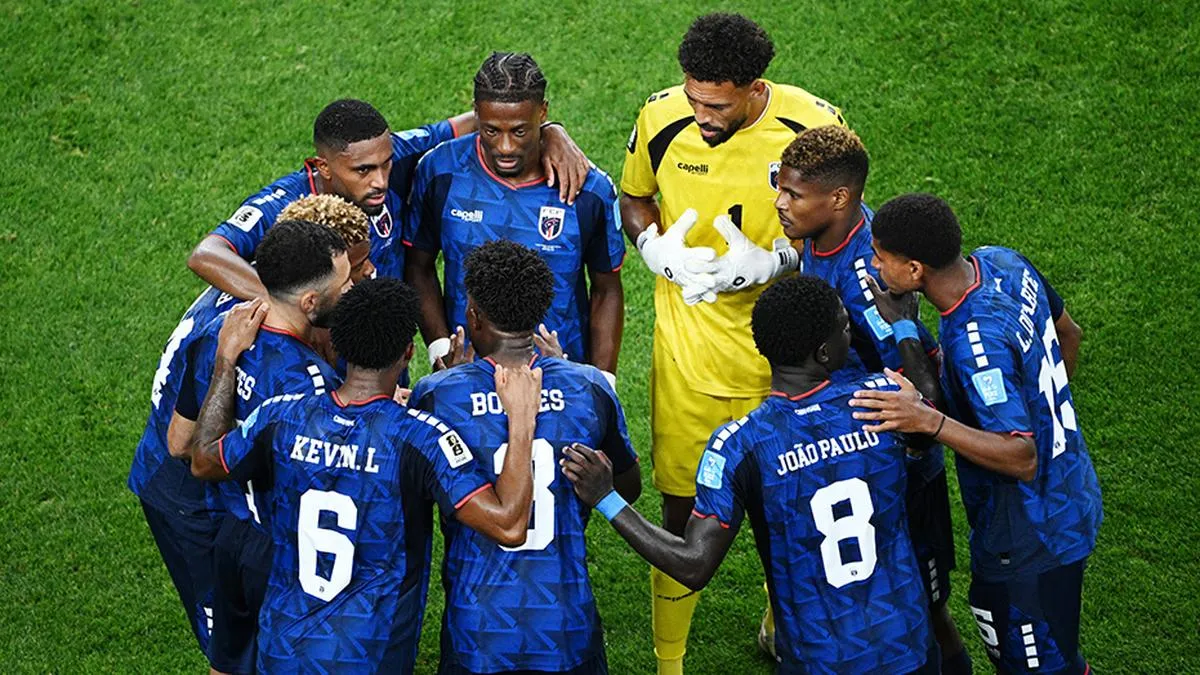
Cape Verde, a small West African island nation with a population of around 500,000, has emerged as a surprise contender at the 2026 FIFA World Cup. After becoming a FIFA member in 1986 and steadily improving, Cape Verde topped its CAF qualifying group ahead of Cameroon. The team remained unbeaten in the group stage, including a draw against reigning European champions Spain, and advanced to the knockout rounds to face Argentina. Goalkeeper Vozinha's performances have drawn significant attention, symbolizing the nation's unexpected football success amid its historical and resource challenges.
First-hand measurement across 2 sources
We measured how 2 outlets covered this story. Coverage leans balanced overall (Left 5%, Centre 95%, Right 0%). Overall sentiment is positive (75/100). Lens Score 25/100 — low public interest.
Outlets analysed (first-hand measurement by TBN's Bias Engine):
- scrollin— balanced framing, positive sentiment
- thehindu— balanced framing, positive sentiment
AI Analysis
The articles present a largely apolitical narrative focusing on Cape Verde's sporting achievements and historical background. They highlight the nation's colonial past and independence struggle without political commentary, emphasizing cultural and historical context. The coverage is framed around Cape Verde's football progress and national identity, with no evident partisan perspectives or political framing.
The overall tone across the articles is positive and celebratory, highlighting Cape Verde's unexpected success and resilience. The narrative conveys admiration for the team's performance and the goalkeeper's rising profile, while also acknowledging the nation's historical challenges. There is an optimistic sentiment about Cape Verde's impact on the World Cup and its broader significance.
How 2 sources covered this story
Each source's own headline, political lean, and sentiment — so you can see framing differences at a glance.