1982 World Cup 'Disgrace of Gijon' Led to Simultaneous Final Group Matches Rule
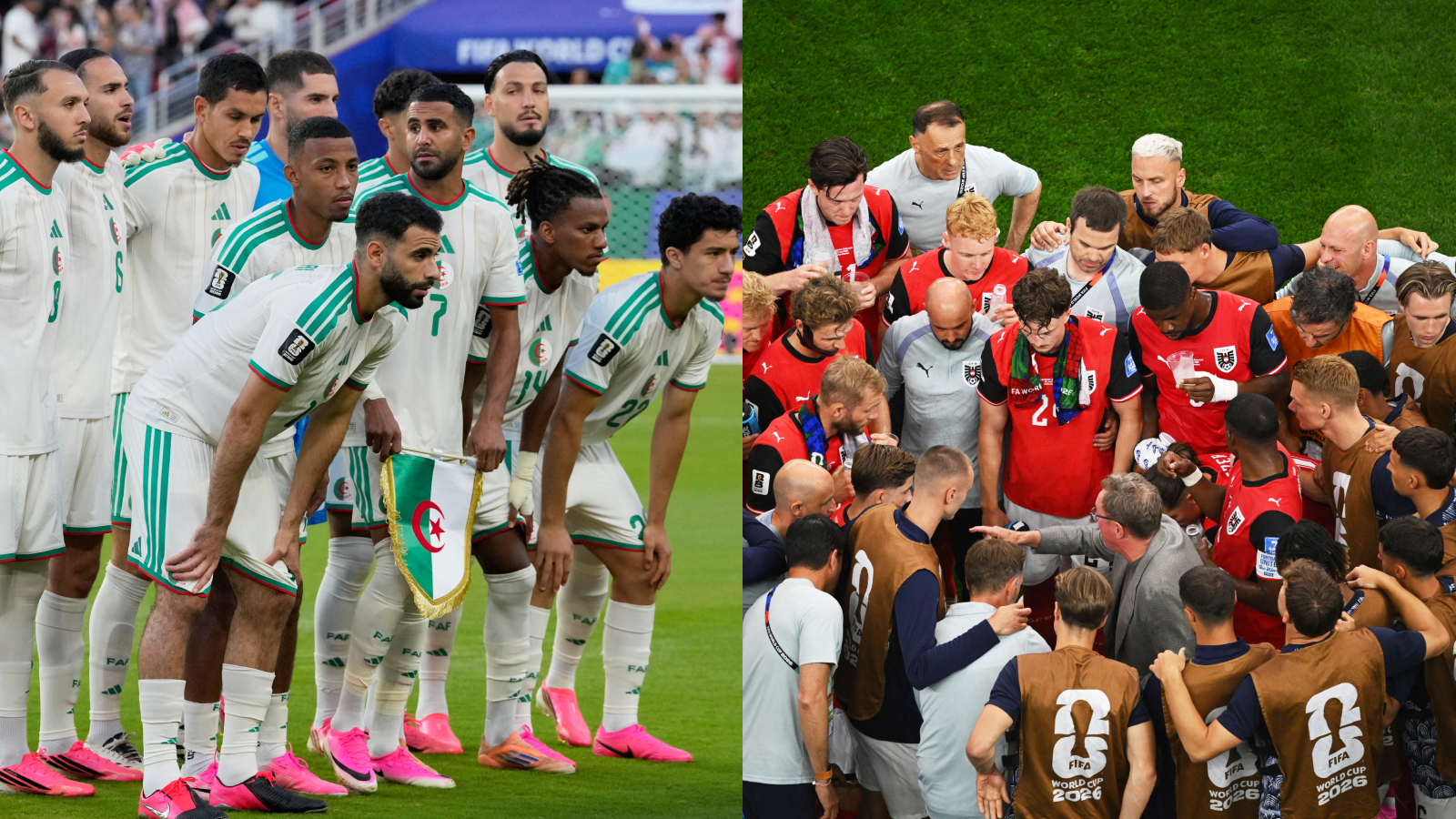
The 1982 FIFA World Cup featured a controversial match between West Germany and Austria, known as the 'Disgrace of Gijon,' where both teams appeared to collude on a result that ensured their progression at Algeria's expense. This incident led FIFA to mandate simultaneous kickoffs for final group matches to uphold fair play. Despite this rule, concerns remain about potential manipulation in the expanded 2026 tournament format involving 48 teams and best third-place qualifiers.
First-hand measurement across 2 sources
We measured how 2 outlets covered this story. Coverage leans balanced overall (Left 0%, Centre 100%, Right 0%). Overall sentiment is neutral (55/100). Lens Score 21/100 — low public interest.
Outlets analysed (first-hand measurement by TBN's Bias Engine):
- firstpost— balanced framing, neutral sentiment
- indianexpress— balanced framing, neutral sentiment
AI Analysis
The articles primarily present a historical sports event with minimal political framing. They focus on FIFA's regulatory response to a controversial match without partisan commentary. Perspectives include the affected teams, FIFA's rule changes, and concerns about future tournament formats, reflecting a balanced sports governance viewpoint rather than political bias.
The tone across the articles is largely neutral with a critical reflection on the 1982 match's impact on fair play. While the incident is described as a 'disgrace' or 'farce,' the coverage emphasizes factual recounting and regulatory outcomes. The sentiment is mixed, combining criticism of past events with an informative explanation of measures taken to prevent recurrence.
How 2 sources covered this story
Each source's own headline, political lean, and sentiment — so you can see framing differences at a glance.