FIFA World Cup 2026: Bielsa Critiques Hydration Breaks; Mouth-Covering Rule Sparks Debate
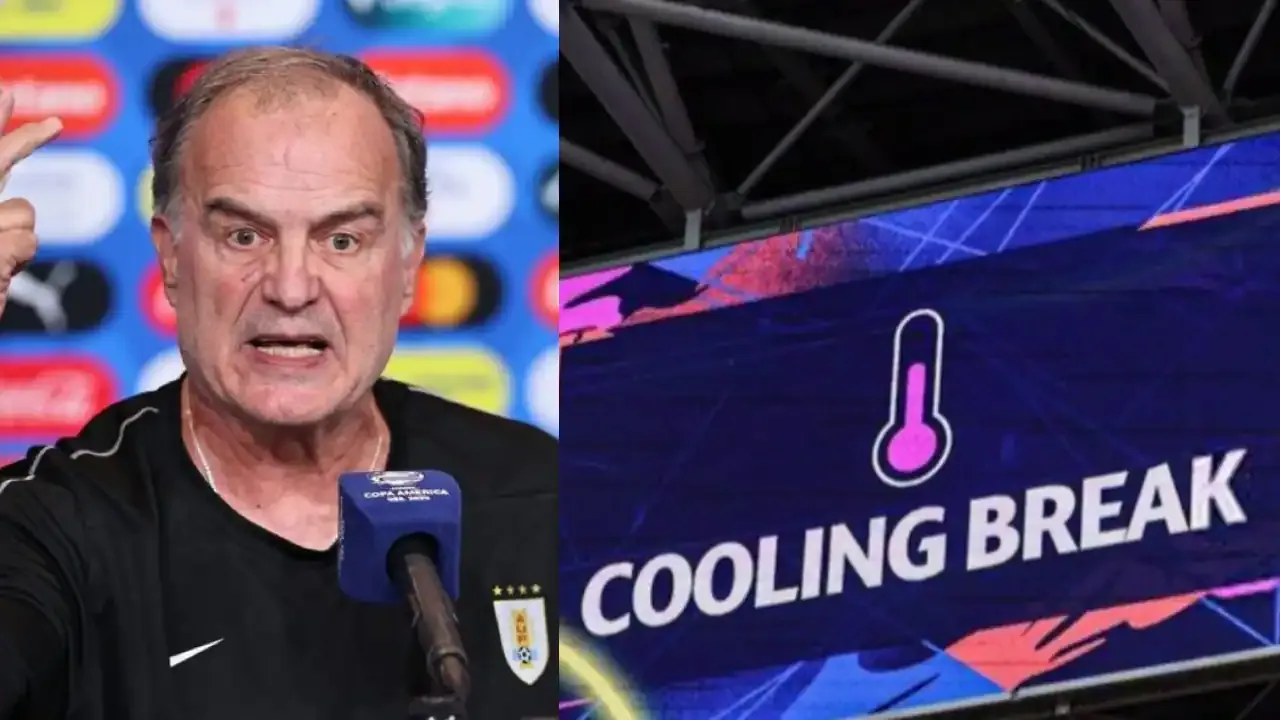
At the 2026 FIFA World Cup, Uruguay coach Marcelo Bielsa criticized the mandatory three-minute hydration breaks introduced to protect players from extreme heat, arguing they disrupt football's traditional flow and cultural essence. Meanwhile, FIFA's new mouth-covering rule, aimed at preventing concealed abusive language, led to Paraguay's Miguel Almiron being sent off, sparking debate after Argentina's Lionel Messi was seen covering his mouth but not sanctioned. These changes have prompted mixed reactions regarding their impact on the game.
First-hand measurement across 3 sources
We measured how 3 outlets covered this story. Coverage leans balanced overall (Left 0%, Centre 100%, Right 0%). Overall sentiment is neutral (52/100). Lens Score 27/100 — low public interest.
Outlets analysed (first-hand measurement by TBN's Bias Engine):
- zeenews— balanced framing, neutral sentiment
- businessstandard— balanced framing, neutral sentiment
- thetribune— balanced framing, neutral sentiment
AI Analysis
The article group presents perspectives primarily from football authorities and key figures like Marcelo Bielsa and players involved in recent incidents. Bielsa's critique reflects a traditionalist viewpoint emphasizing cultural aspects of football, while FIFA's regulations highlight player safety and disciplinary concerns. The coverage balances official policy explanations with dissenting opinions, without favoring any political or ideological stance.
The overall tone is mixed, combining critical views from Bielsa on hydration breaks with neutral reporting on FIFA's safety measures. The mouth-covering rule coverage includes both factual reporting of incidents and public debate, reflecting a balanced sentiment that acknowledges controversy without overt negativity or praise.
How 3 sources covered this story
Each source's own headline, political lean, and sentiment — so you can see framing differences at a glance.