Norway's Youth Sports Philosophy and Infrastructure Propel World Cup Quarterfinal Run
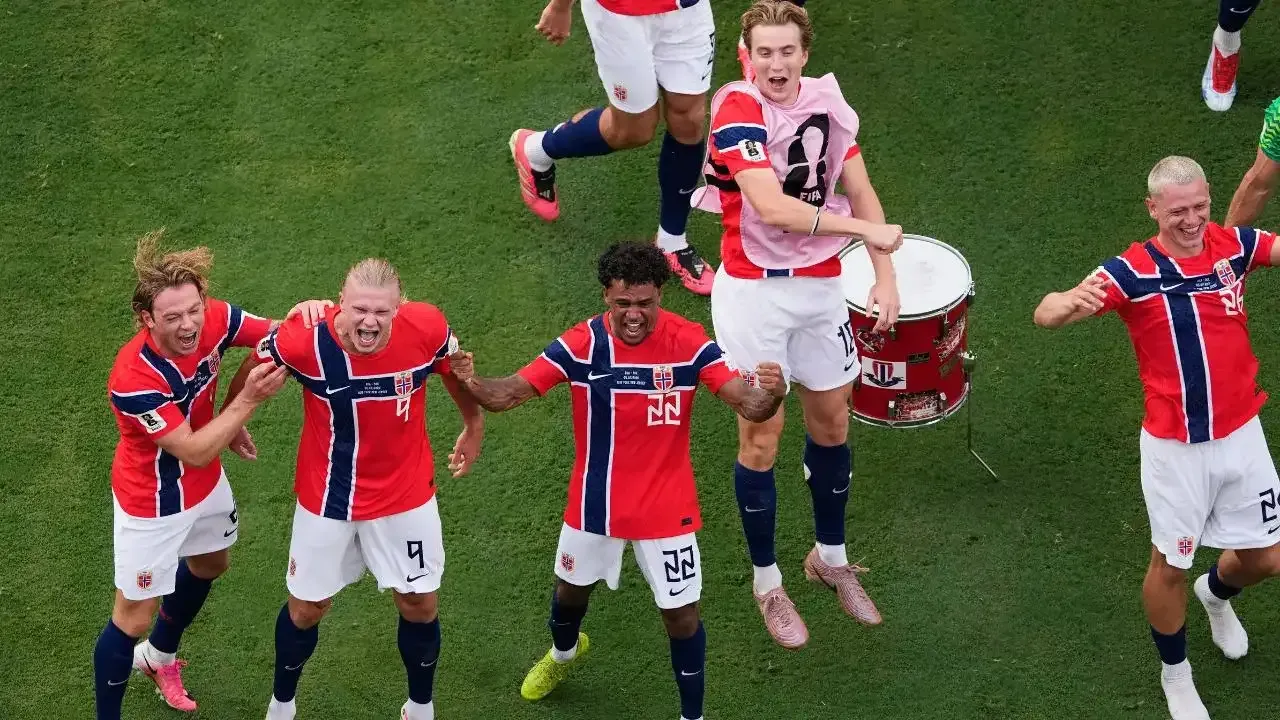
Norway, a small nation with a population of 5.6 million, has reached the quarterfinals of the 2026 FIFA World Cup, marking only their fourth appearance after a 28-year gap. Central to their success is Erling Haaland, a standout striker developed through Norway's inclusive youth sports philosophy emphasizing fun and broad participation over early competition. Alongside other small European countries like Belgium and Switzerland, Norway's investment in accessible football infrastructure and coaching has contributed to their strong World Cup performance.
First-hand measurement across 3 sources
We measured how 3 outlets covered this story. Coverage leans balanced overall (Left 7%, Centre 91%, Right 2%). Overall sentiment is positive (75/100). Lens Score 25/100 — low public interest.
Outlets analysed (first-hand measurement by TBN's Bias Engine):
- timesnow— balanced framing, positive sentiment
- hindustantimes— balanced framing, positive sentiment
- thetelegraph— balanced framing, positive sentiment
AI Analysis
The articles collectively present a largely neutral perspective focusing on sports development and national achievement without political framing. They highlight Norway's youth sports approach and infrastructure as key factors, contrasting it with other countries' systems, particularly the U.S., but do not engage in partisan or ideological commentary. The coverage emphasizes national pride and sporting success rather than political viewpoints.
The overall tone across the articles is positive, celebrating Norway's unexpected success and Erling Haaland's rise as a global football talent. The sentiment reflects admiration for Norway's inclusive sports culture and effective investment in football, portraying the nation's achievements as inspiring and noteworthy. There is no evident negative or critical sentiment, focusing instead on accomplishment and potential.