Seven Teams Qualify for FIFA World Cup 2026 Round of 32 as Knockout Stage Takes Shape
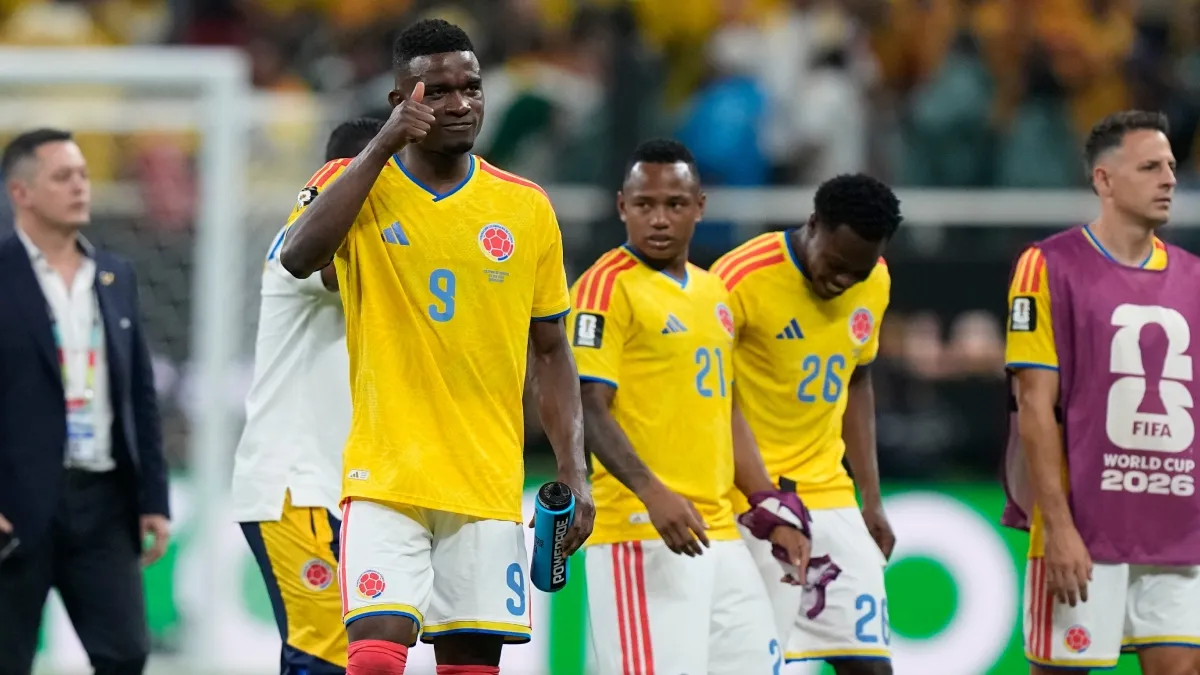
Seven teams, including co-hosts Mexico and the USA, along with Germany, Argentina, France, Norway, and Colombia, have qualified for the FIFA World Cup 2026 Round of 32. The tournament features 48 teams divided into 12 groups, with the top two from each group and the eight best third-placed teams advancing. Several teams like Brazil and Spain remain in contention, while Haiti, Turkiye, Tunisia, Jordan, and Panama have been eliminated. The knockout stage will begin on June 28, with new tie-breaker rules emphasizing head-to-head records.
First-hand measurement across 7 sources
We measured how 7 outlets covered this story. Coverage leans balanced overall (Left 0%, Centre 100%, Right 0%). Overall sentiment is positive (68/100). Lens Score 32/100 — low public interest.
Outlets analysed (first-hand measurement by TBN's Bias Engine):
- economictimes— balanced framing, positive sentiment
- economictimes— balanced framing, positive sentiment
- firstpost— balanced framing, neutral sentiment
- mint— balanced framing, neutral sentiment
- hindustantimes— balanced framing, neutral sentiment
- indiatvnews— balanced framing, positive sentiment
- wion— balanced framing, positive sentiment
AI Analysis
The article group presents a largely neutral and factual overview of the FIFA World Cup 2026 qualification status, focusing on team performances and tournament structure. Coverage includes perspectives from official FIFA rules and team standings without political framing. There is balanced representation of various national teams and no evident partisan or ideological bias in the reporting.
The overall sentiment across the articles is neutral to positive, reflecting excitement about the tournament's expansion and the progress of notable teams. While some disappointment is noted for eliminated teams, the tone remains factual and focused on competition and upcoming matches, avoiding sensationalism or negative language.
How 7 sources covered this story
Each source's own headline, political lean, and sentiment — so you can see framing differences at a glance.