History and Design of the FIFA World Cup Trophy and Its Thefts
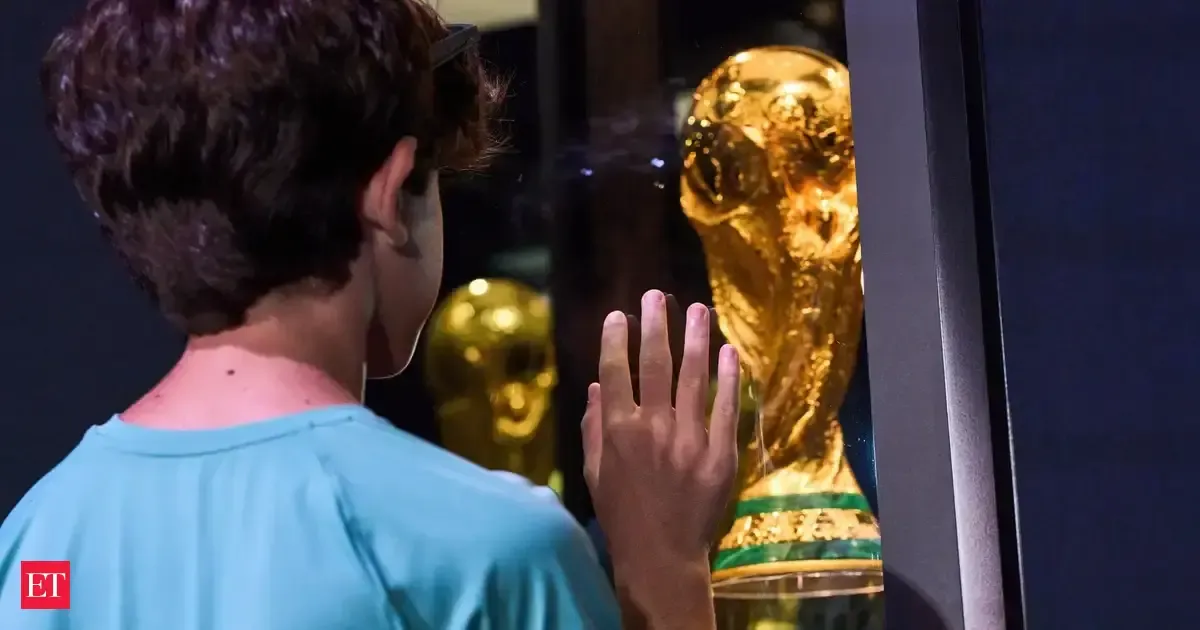
The FIFA World Cup trophy, designed by Italian sculptor Silvio Gazzaniga in 1971, symbolizes the athlete's effort, fan celebration, and victory. It replaced the Jules Rimet Trophy after Brazil's 1970 win, which was permanently awarded to them. The original trophy was stolen twice: once in 1966 and recovered by a dog named Pickles, and again in 1983 from Brazil, after which it was never found. The current gold-plated trophy is returned to FIFA after each tournament, with winners receiving replicas. Gazzaniga's design will remain the official trophy through at least 2038.
First-hand measurement across 2 sources
We measured how 2 outlets covered this story. Coverage leans balanced overall (Left 0%, Centre 100%, Right 0%). Overall sentiment is positive (75/100). Lens Score 32/100 — low public interest.
Outlets analysed (first-hand measurement by TBN's Bias Engine):
- economictimes— balanced framing, positive sentiment
- hindustantimes— balanced framing, positive sentiment
AI Analysis
The articles focus on the historical and design aspects of the FIFA World Cup trophy without engaging in political discourse. They present factual information about the trophy's creation, thefts, and symbolism, reflecting a neutral perspective centered on sports history and cultural significance.
The tone across the articles is informative and neutral, highlighting both the artistic significance of the trophy and the notable theft incidents. The coverage balances admiration for the trophy's design with the intrigue of its thefts, maintaining an objective and factual narrative without emotional bias.
How 2 sources covered this story
Each source's own headline, political lean, and sentiment — so you can see framing differences at a glance.