FIFA World Cup 2026 Sees Decline in Indian TV Advertising and Sales Amid Timing and Streaming Changes
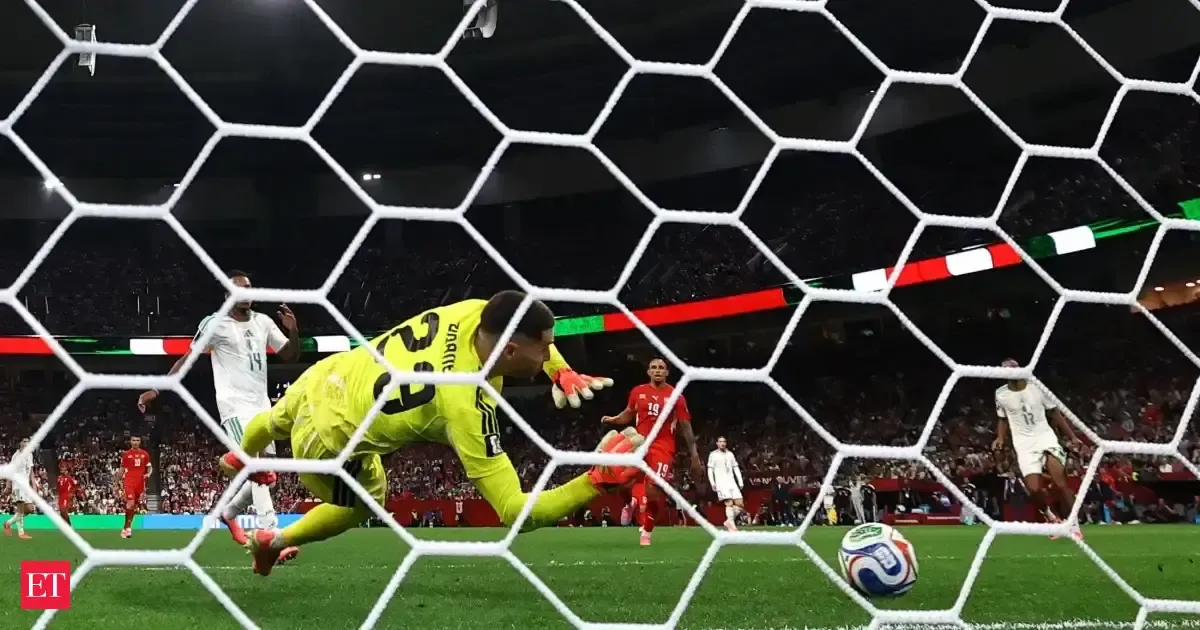
The FIFA World Cup 2026 led to a decline in traditional TV advertising and sales in India, influenced by late-night match timings due to the North American time zone and a paywall on streaming platform ZEE5. Advertising volumes on linear TV dropped 14%, while TV sales remained stagnant despite expectations of growth. Rising television prices and a shift toward smartphone streaming also contributed to reduced demand, even in football-fan regions like Kolkata and Kerala. Connected TV attracted more advertisers by targeting urban, affluent viewers.
First-hand measurement across 2 sources
We measured how 2 outlets covered this story. Coverage leans balanced overall (Left 0%, Centre 100%, Right 0%). Overall sentiment is neutral (48/100). Lens Score 42/100 — moderate-to-low public interest.
Outlets analysed (first-hand measurement by TBN's Bias Engine):
- economictimes— balanced framing, neutral sentiment
- economictimes— balanced framing, neutral sentiment
AI Analysis
The articles primarily present industry and market perspectives without political framing. They focus on commercial impacts of the World Cup on Indian television advertising and sales, reflecting viewpoints from broadcasters, manufacturers, and retailers. There is no evident political bias, as coverage centers on economic and consumer behavior factors rather than political or ideological issues.
The overall tone is neutral to slightly negative, highlighting challenges faced by traditional TV broadcasters and manufacturers due to unfavorable match timings, increased prices, and changing viewer habits. While the shift to Connected TV is noted positively, the coverage emphasizes reduced advertising volumes and stagnant sales, reflecting a cautious industry outlook rather than celebratory or critical sentiment.