2026 FIFA World Cup Expansion Spurs Debate on Quality and Cultural Impact
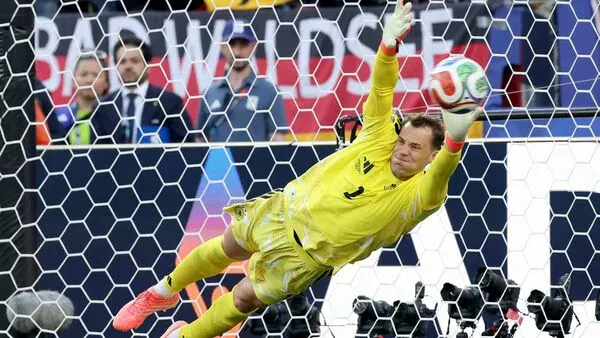
The 2026 FIFA World Cup, expanded to 48 teams, has sparked debate over its impact on football quality. While traditional powerhouses like Germany, Japan, and the Netherlands faced early exits despite strong youth academies, the tournament showcased increased competitiveness and surprising performances from smaller nations. Meanwhile, football's cultural significance remains profound in regions like Latin America, where it shapes identity and social life beyond the sport itself.
First-hand measurement across 3 sources
We measured how 3 outlets covered this story. Coverage leans balanced overall (Left 0%, Centre 100%, Right 0%). Overall sentiment is positive (68/100). Lens Score 20/100 — low public interest.
Outlets analysed (first-hand measurement by TBN's Bias Engine):
- mint— balanced framing, neutral sentiment
- thehindu— balanced framing, positive sentiment
- freepressjournal— balanced framing, positive sentiment
AI Analysis
The articles collectively present a range of perspectives without overt political bias. They include critical views on football development systems from a European standpoint, discussions on global inclusivity and competitiveness, and cultural reflections from Latin America. The coverage balances institutional critiques with appreciation for football's broader social role, reflecting diverse regional and thematic viewpoints.
The overall tone is mixed but constructive. While some disappointment is noted regarding early exits of established teams and concerns about quality dilution, there is also recognition of positive developments such as increased competitiveness and cultural enthusiasm. The sentiment acknowledges challenges but highlights football's enduring appeal and evolving global landscape.