ICC's Revised 2027 ODI World Cup Format Draws Mixed Reactions from Full and Associate Nations
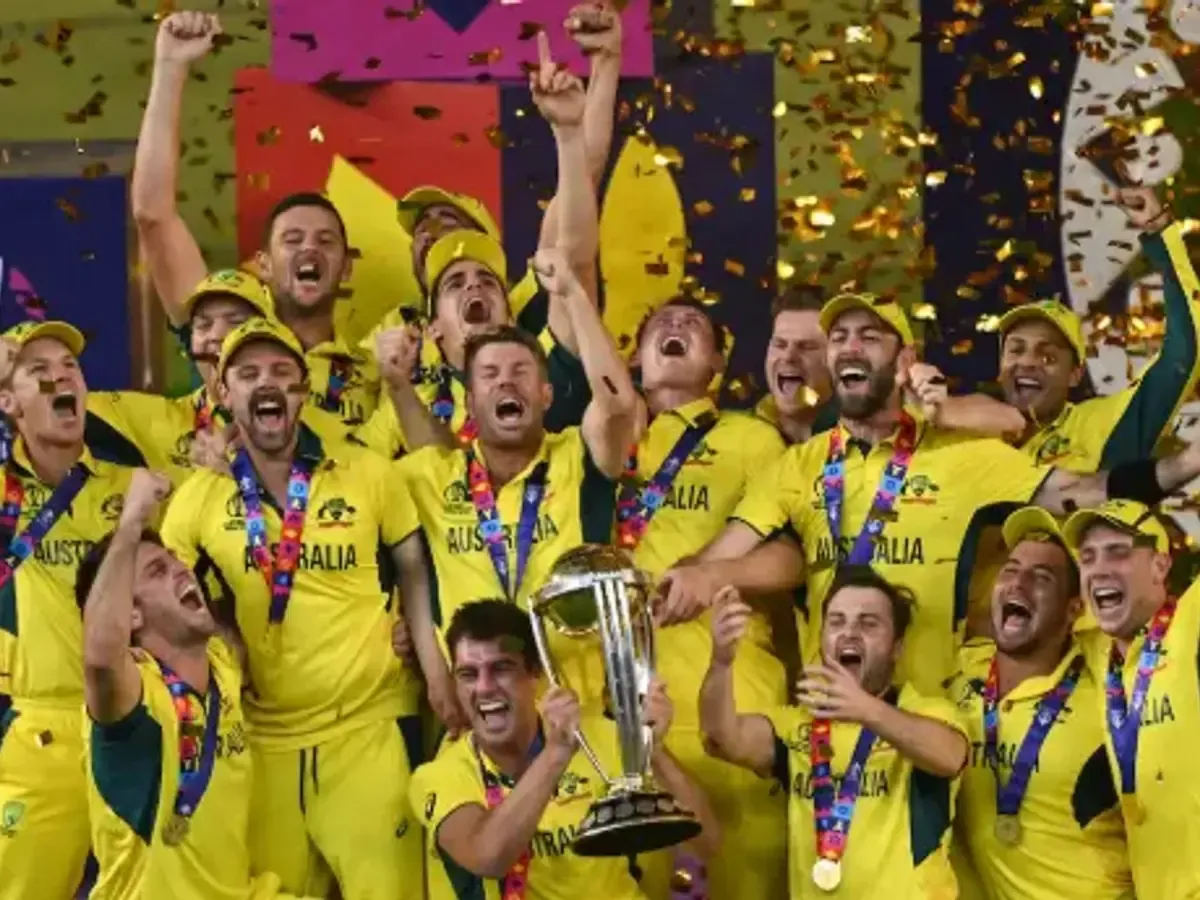
The ICC's revised format for the 2027 Men's ODI World Cup expands the tournament to 14 teams with multiple stages aimed at increasing competitiveness and reducing dead-rubber matches. While established teams like India, Australia, and England may benefit from the longer format, Associate nations criticize the new structure, particularly the preliminary 'Super Series' where the lowest-ranked qualifiers play only two matches before elimination. The World Cricketers' Association and captains from Netherlands and Namibia express concerns over reduced opportunities and lack of stakeholder consultation, fearing it limits growth for emerging cricket nations.
First-hand measurement across 15 sources
We measured how 15 outlets covered this story. Coverage leans balanced overall (Left 2%, Centre 97%, Right 1%). Overall sentiment is neutral (45/100). Lens Score 30/100 — low public interest.
Outlets analysed (first-hand measurement by TBN's Bias Engine):
- wion— balanced framing, positive sentiment
- mint— balanced framing, positive sentiment
- thehindu— balanced framing, positive sentiment
- news18— balanced framing, positive sentiment
- businessstandard— balanced framing, positive sentiment
- businessstandard— balanced framing, positive sentiment
- economictimes— balanced framing, positive sentiment
- news18— balanced framing, positive sentiment
AI Analysis
The article group presents perspectives from both the ICC and established cricket nations highlighting benefits of the new format, alongside critical views from Associate nations and the World Cricketers' Association. The coverage includes official rationale for competitiveness and player statements expressing disappointment over reduced opportunities, reflecting a balanced representation of governing bodies and emerging teams without favoring any side.
The overall sentiment is mixed, combining positive tones about increased competitiveness and tournament structure improvements with negative reactions from Associate nations and players concerned about limited match opportunities. The coverage conveys both optimism for established teams and frustration among emerging cricket communities, maintaining a neutral tone by presenting these contrasting views without editorializing.