Refugee-Born Players Highlight Australia's Squad for FIFA World Cup 2026
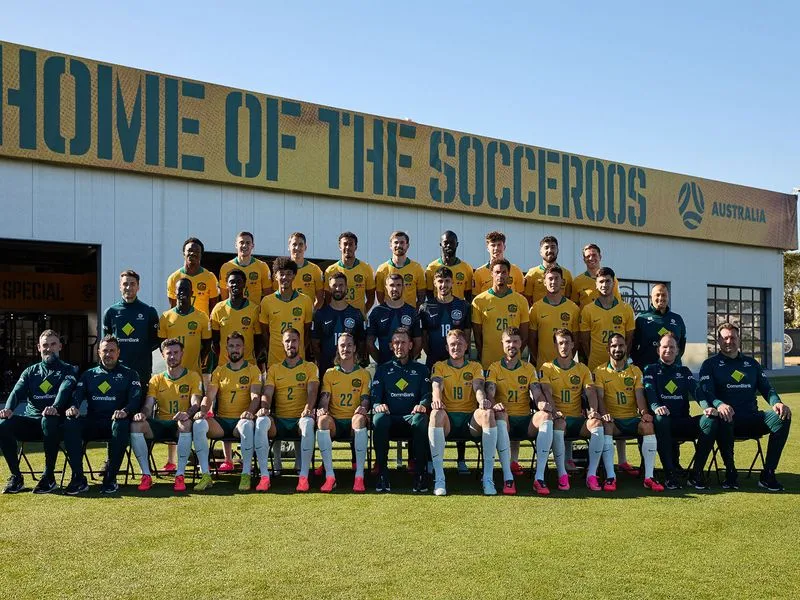
Australia's FIFA World Cup 2026 squad features key players born in refugee camps, including Mohamed Toure, Nestory Irankunda, and Awer Mabil. These footballers, whose families fled conflicts in Africa, have risen through Australia's soccer ranks, symbolizing resilience and multicultural success. Coach Tony Popovic plans to rely on the young forwards Toure and Irankunda, with Mabil providing experience and mentorship. Their shared backgrounds and on-field chemistry are seen as vital to Australia's hopes of advancing beyond the group stage.
First-hand measurement across 2 sources
We measured how 2 outlets covered this story. Coverage leans balanced overall (Left 30%, Centre 70%, Right 0%). Overall sentiment is positive (75/100). Lens Score 28/100 — low public interest.
Outlets analysed (first-hand measurement by TBN's Bias Engine):
- theprint— left-leaning framing, positive sentiment
- thetribune— balanced framing, positive sentiment
AI Analysis
The articles present a largely positive narrative focusing on multiculturalism and resilience without engaging in political debate. They highlight the players' refugee backgrounds and integration into Australian society, reflecting inclusive perspectives. There is no evident partisan framing; instead, the coverage emphasizes personal stories and sporting potential, representing both the players' experiences and the national team's ambitions.
The overall tone across the articles is positive and hopeful, celebrating the players' journeys from refugee camps to the World Cup stage. The sentiment underscores themes of opportunity, perseverance, and national pride. While acknowledging challenges faced by the players, the coverage remains optimistic about their contributions and Australia's prospects in the tournament.