Economic Impact and Ticket Resale Dynamics of the 2026 FIFA World Cup
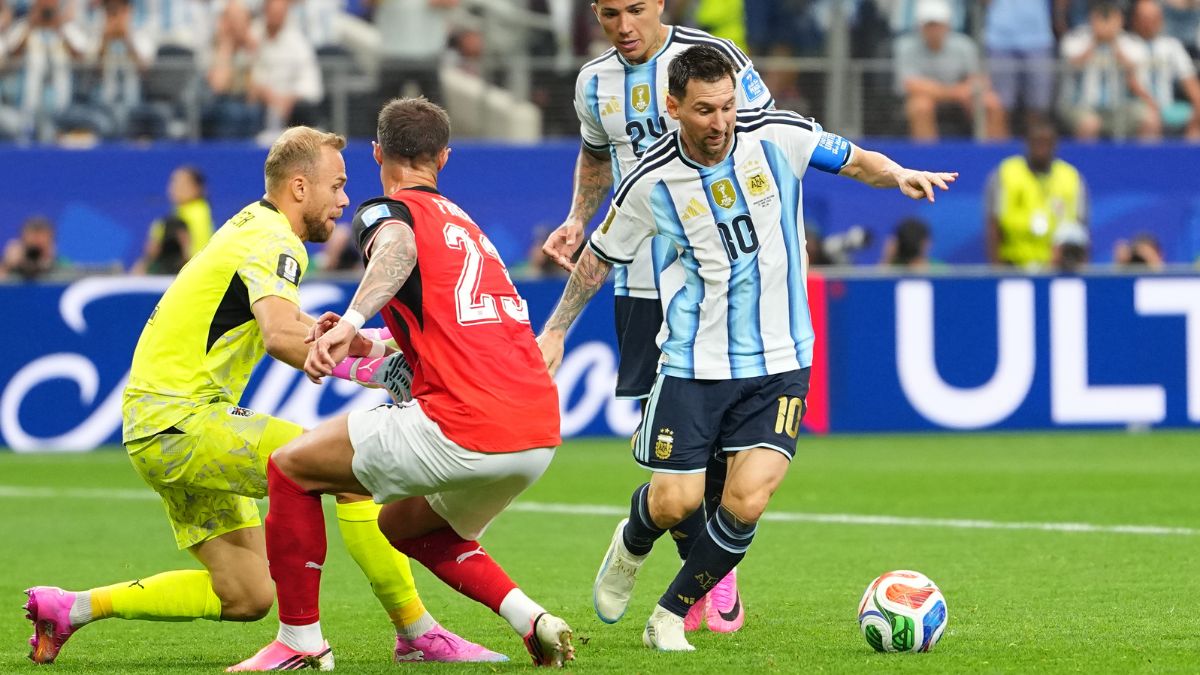
The 2026 FIFA World Cup is shaping up as a landmark event economically, with FIFA projecting $11 billion in revenue driven largely by broadcasting, sponsorships, and viral moments that extend the tournament's reach beyond live matches. Meanwhile, the official ticketing system, which saw record demand with over 150 million requests, feeds into a robust resale market where ticket prices can multiply, supported by FIFA's regulated resale platform that manages transactions and fees up to kickoff.
First-hand measurement across 2 sources
We measured how 2 outlets covered this story. Coverage leans balanced overall (Left 0%, Centre 100%, Right 0%). Overall sentiment is positive (70/100). Lens Score 24/100 — low public interest.
Outlets analysed (first-hand measurement by TBN's Bias Engine):
- thefinancialexpress— balanced framing, positive sentiment
- thefinancialexpress— balanced framing, neutral sentiment
AI Analysis
The articles primarily present an economic and commercial perspective on the FIFA World Cup, focusing on revenue generation, broadcasting, sponsorship, and ticket sales without engaging in political discourse. The coverage is neutral, emphasizing FIFA's official data and market dynamics, with no partisan viewpoints or political framing evident.
The tone across the articles is largely positive and informative, highlighting the commercial success and growing global interest in the World Cup. While acknowledging the high demand and resale price surges, the coverage remains factual and balanced, avoiding sensationalism or criticism, thus maintaining an optimistic yet neutral sentiment.
How 2 sources covered this story
Each source's own headline, political lean, and sentiment — so you can see framing differences at a glance.