Iran Cites Political and Logistical Challenges During FIFA World Cup 2026 Campaign
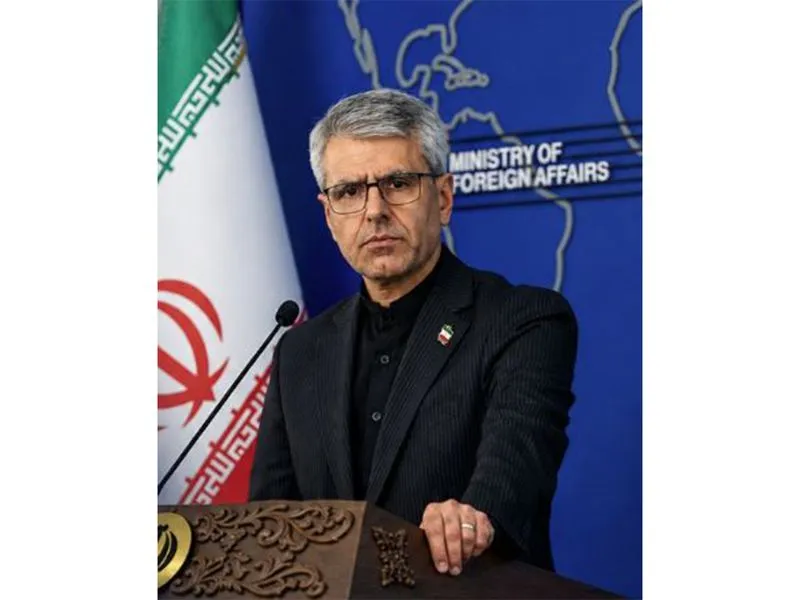
Iran's football team faced significant logistical and political challenges during the FIFA World Cup 2026, including visa issues and travel restrictions linked to geopolitical tensions with the United States. The team relocated its base camp from Arizona to Tijuana, Mexico, where they received warm hospitality and described Mexico as their "second home." Despite appreciation for host cities, Iran's officials and players criticized unequal treatment and questioned the fairness of competition conditions. Iran exited the tournament after drawing all group matches and finishing third in Group G.
First-hand measurement across 3 sources
We measured how 3 outlets covered this story. Coverage leans balanced overall (Left 17%, Centre 78%, Right 5%). Overall sentiment is neutral (52/100). Lens Score 29/100 — low public interest.
Outlets analysed (first-hand measurement by TBN's Bias Engine):
- news18— balanced framing, neutral sentiment
- thetribune— balanced framing, neutral sentiment
- thetribune— balanced framing, neutral sentiment
AI Analysis
The articles present perspectives primarily from Iranian officials and team members highlighting political tensions with the United States affecting Iran's World Cup experience. Coverage includes Iran's criticisms of visa denials and travel restrictions, as well as expressions of gratitude toward Mexican hosts. The framing reflects Iran's viewpoint on politicization without counterclaims from U.S. or tournament organizers, focusing on Iran's narrative of unequal treatment.
The overall tone is mixed, combining expressions of appreciation for hospitality in Mexico with frustration over logistical difficulties and perceived unfair treatment. While Iran's team conveys gratitude and pride, officials and players also voice criticism of the tournament's arrangements, resulting in a balanced sentiment that acknowledges both positive and negative aspects of Iran's World Cup participation.