World Cup Spotlights Dual Nationality Players Amid US Birthright Citizenship Debate
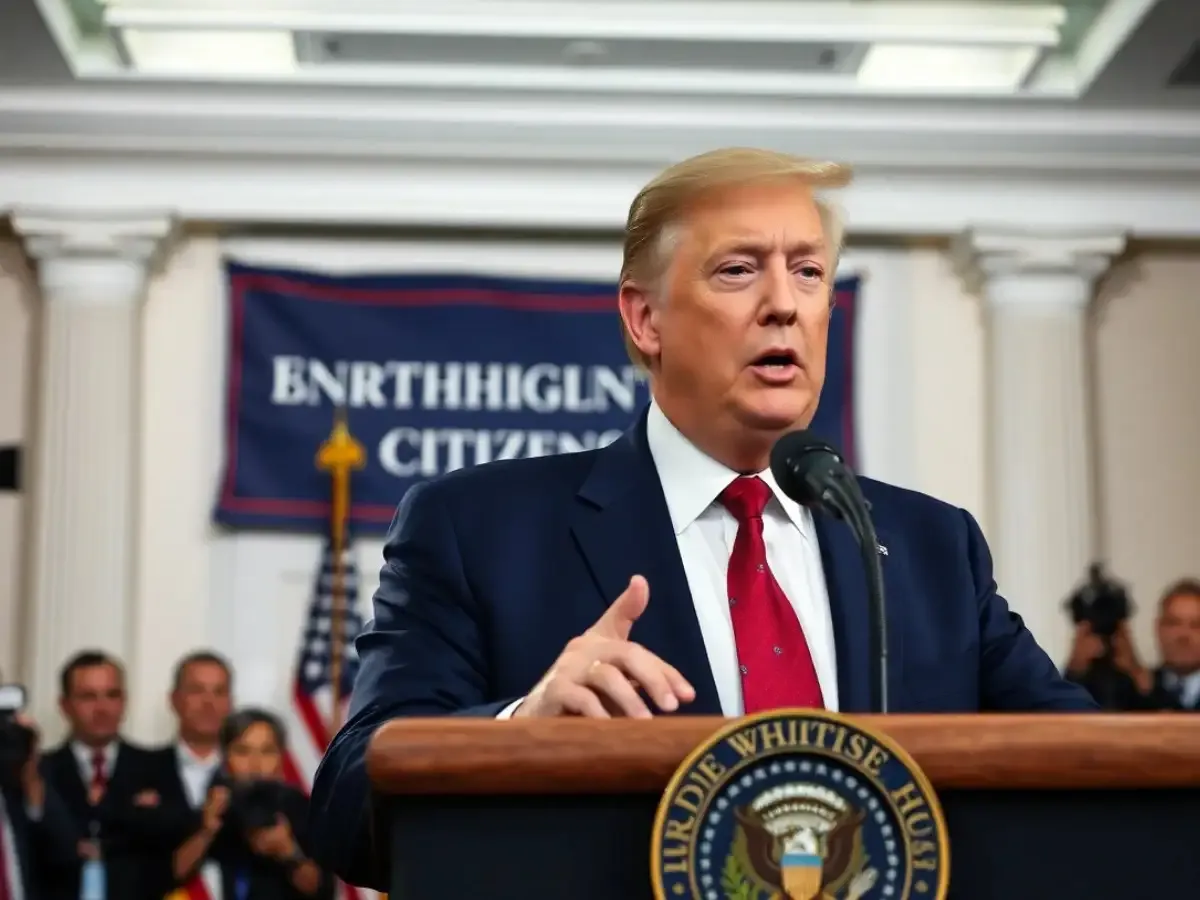
The World Cup highlights the complex identities of players with dual or multiple nationalities, such as US striker Folarin Balogun, born in New York to Nigerian parents but raised in London. This diversity reflects global migration trends and immigration policies shaping international sports. Meanwhile, US birthright citizenship, which enables athletes like Balogun to represent the country, faces legal challenges in the Supreme Court amid broader immigration debates. Players often navigate personal and familial ties when choosing national teams, illustrating the tournament's multicultural fabric.
First-hand measurement across 2 sources
We measured how 2 outlets covered this story. Coverage leans balanced overall (Left 45%, Centre 53%, Right 2%). Overall sentiment is neutral (55/100). Lens Score 28/100 — low public interest.
Outlets analysed (first-hand measurement by TBN's Bias Engine):
- indianexpress— left-leaning framing, neutral sentiment
- economictimes— balanced framing, neutral sentiment
AI Analysis
The articles present perspectives on immigration and nationality without endorsing political positions. They highlight the US Supreme Court's consideration of birthright citizenship, referencing former President Trump's policy efforts, while also portraying players' multicultural backgrounds. The coverage balances immigration policy discussions with human interest stories, reflecting both legal and social dimensions without partisan framing.
The tone across the articles is generally neutral to positive, emphasizing the multicultural richness of the World Cup and the personal stories of players with diverse backgrounds. While the US birthright citizenship debate introduces a contentious legal issue, the coverage focuses on factual reporting and the human impact rather than emotional or sensational language.