Argentina and Spain Set for 2026 FIFA World Cup Final Amid Ticket Demand and Controversies
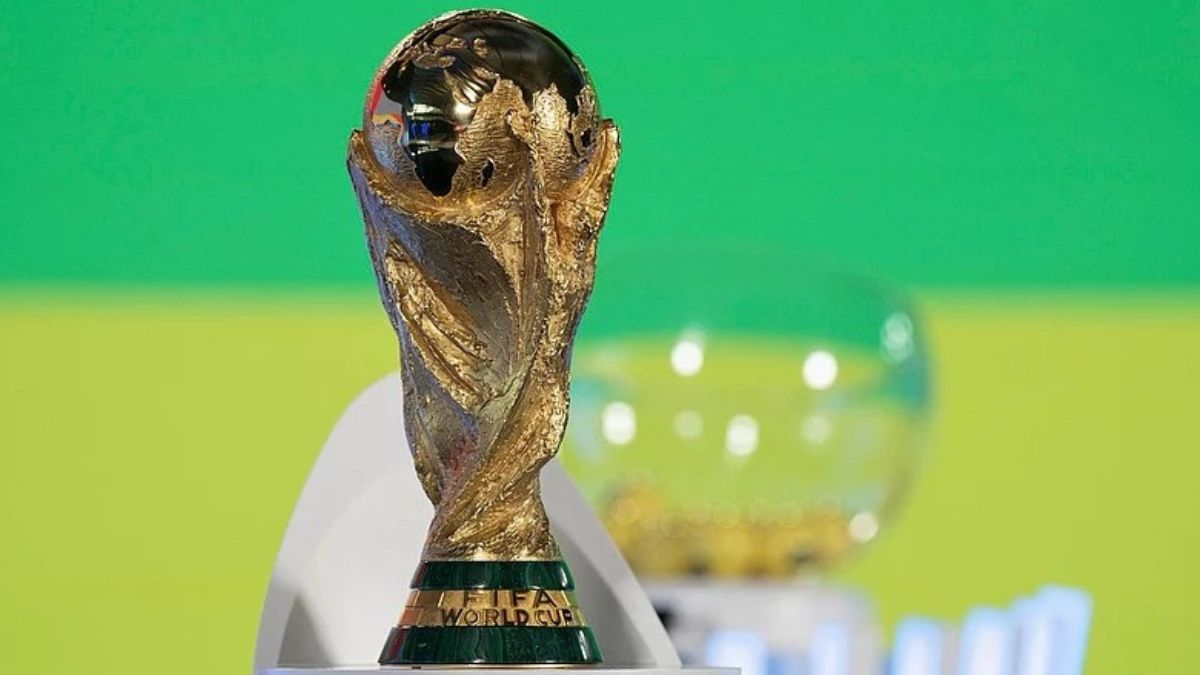
The 2026 FIFA World Cup final between Argentina and Spain at New York New Jersey Stadium has drawn unprecedented global attention, with ticket resale prices surpassing previous records due to high demand and Lionel Messi's participation. While FIFA promoted inclusivity, strict U.S. visa policies limited fan access from several countries. Argentina coach Lionel Scaloni criticized FIFA's scheduling for rushed training sessions ahead of the final. Additionally, misinformation circulated about Cristiano Ronaldo wearing Argentina jerseys, which was debunked. The match marks a historic clash between reigning continental champions.
First-hand measurement across 8 sources
We measured how 8 outlets covered this story. Coverage leans balanced overall (Left 9%, Centre 90%, Right 1%). Overall sentiment is neutral (58/100). Lens Score 28/100 — low public interest.
Outlets analysed (first-hand measurement by TBN's Bias Engine):
- economictimes— balanced framing, neutral sentiment
- economictimes— balanced framing, neutral sentiment
- indianexpress— balanced framing, positive sentiment
- indianexpress— balanced framing, neutral sentiment
- firstpost— left-leaning framing, neutral sentiment
- thefinancialexpress— balanced framing, positive sentiment
- mint— balanced framing, neutral sentiment
- indianexpress— balanced framing, neutral sentiment
AI Analysis
The article group presents a range of perspectives including FIFA's promotional stance on inclusivity contrasted with criticism from rights groups about U.S. visa restrictions. Coverage includes official viewpoints from FIFA and team officials, as well as fan and expert reactions. The narratives balance sporting enthusiasm with logistical and political challenges, reflecting diverse stakeholder interests without favoring any political ideology.
The overall tone is mixed, combining excitement over the historic final and record-breaking ticket demand with critical views on visa policies and organizational issues. Positive sentiments focus on the sporting achievements and fan engagement, while negative sentiments arise from access limitations and scheduling complaints. The inclusion of fact-checking on misinformation adds a neutral corrective element to the coverage.