FIFA World Cup 2026 Final Group Matches Played Simultaneously to Ensure Fairness
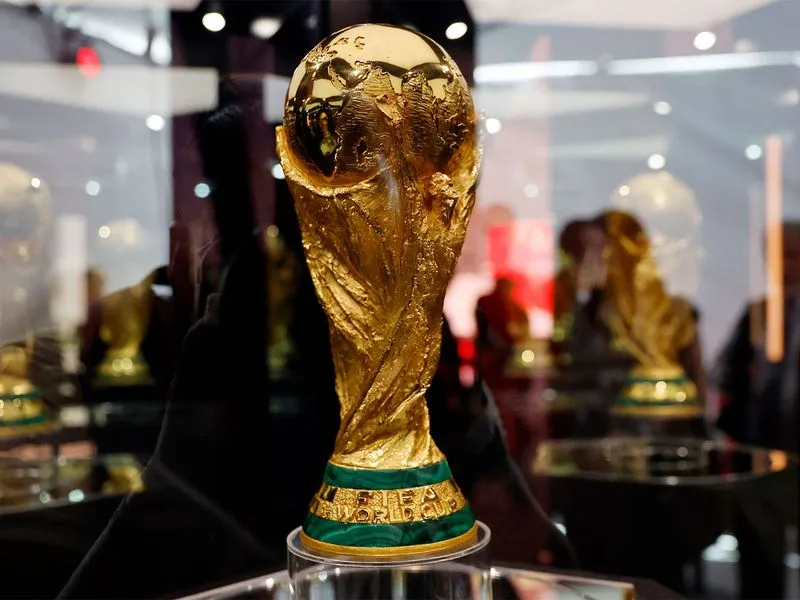
The final group stage matches of the FIFA World Cup 2026 are being played simultaneously to prevent teams from gaining an unfair advantage by knowing earlier results. This practice was introduced after the controversial 1982 World Cup match between West Germany and Austria, known as the 'Disgrace of Gijon,' where a mutually beneficial result eliminated Algeria despite their strong performance. Since 1986, FIFA has mandated simultaneous final group matches to ensure fair competition, though weather delays may affect exact timing.
First-hand measurement across 4 sources
We measured how 4 outlets covered this story. Coverage leans balanced overall (Left 0%, Centre 100%, Right 0%). Overall sentiment is neutral (58/100). Lens Score 28/100 — low public interest.
Outlets analysed (first-hand measurement by TBN's Bias Engine):
- thetelegraph— balanced framing, neutral sentiment
- indiatvnews— balanced framing, neutral sentiment
- thetribune— balanced framing, neutral sentiment
- timesnow— balanced framing, neutral sentiment
AI Analysis
The article group presents a largely factual and historical perspective on FIFA's decision to schedule final group matches simultaneously. The coverage includes viewpoints from FIFA's regulatory standpoint and references to past controversies without political framing. There is no evident political bias, as the focus remains on sports governance and fairness in competition.
The overall sentiment across the articles is neutral, focusing on explaining the rationale behind the simultaneous scheduling of matches. While the 1982 incident is described as controversial, the tone remains informative and objective, emphasizing fairness and preventive measures rather than criticism or praise.
How 4 sources covered this story
Each source's own headline, political lean, and sentiment — so you can see framing differences at a glance.