Meta in Talks for Google AI Chips, Intensifying Rivalry with Nvidia
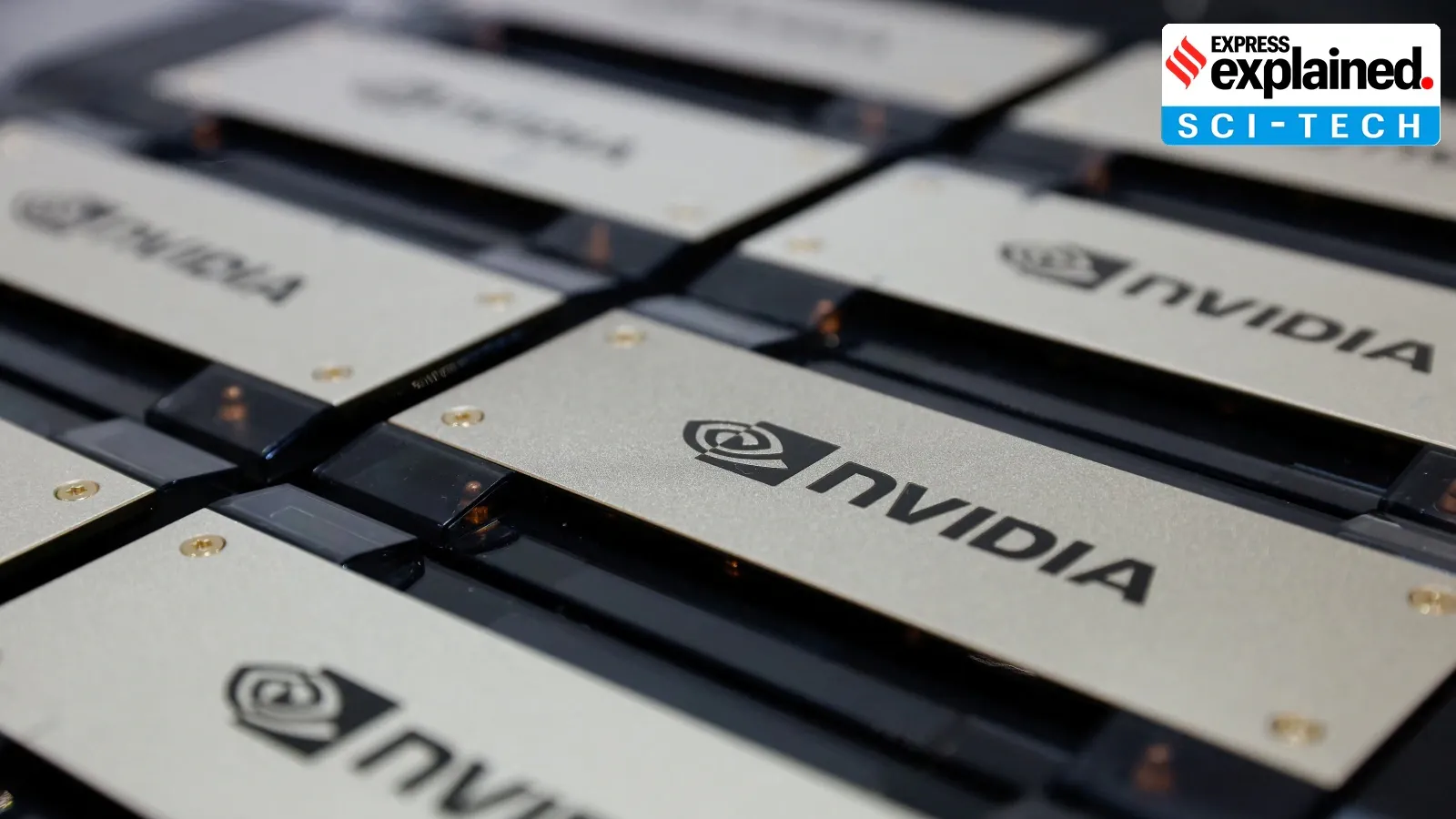
Meta Platforms is reportedly in talks to spend billions on Google's AI chips, potentially renting them from Google Cloud as early as next year and using them in data centers from 2027. This move, if finalized, would position Google as a significant rival to Nvidia, which currently dominates the AI chip market. Google's efforts with its Tensor Processing Units (TPUs) and its advanced Gemini AI model are seen as challenging Nvidia's leadership, though Nvidia asserts its technology remains a generation ahead. The potential deal has impacted stock values, with Alphabet shares rising and Nvidia's falling.
First-hand measurement across 13 sources
We measured how 13 outlets covered this story. Coverage leans balanced overall (Left 33%, Centre 34%, Right 33%). Overall sentiment is neutral (58/100). Lens Score 42/100 — moderate-to-low public interest.
Outlets analysed (first-hand measurement by TBN's Bias Engine):
- moneycontrol— balanced framing, neutral sentiment
- ndtv— balanced framing, neutral sentiment
- economictimes— balanced framing, neutral sentiment
- indianexpress— balanced framing, neutral sentiment
- theprint— balanced framing, neutral sentiment
- thefinancialexpress— balanced framing, neutral sentiment
- moneycontrol— balanced framing, positive sentiment
- economictimes— balanced framing, neutral sentiment
AI Analysis
The articles focus on a business and technology competition between major tech companies. There is no discernible political leaning or partisan framing; the coverage is centered on market dynamics, corporate strategy, and technological advancements in the AI chip sector.
The overall sentiment is largely neutral and informative, focusing on reporting business developments and market competition. There's a sense of excitement around Google's advancements and potential to challenge Nvidia, but also acknowledgment of Nvidia's current dominance and its confident response.
How 13 sources covered this story
Each source's own headline, political lean, and sentiment — so you can see framing differences at a glance.