Skip to content
Get the Balanced News app for a better experience!
The Balanced News Logo
Analytics
The Balanced News Logo

Stay Balanced, Stay Informed

Menu
  • Browse News
  • Underreported Stories
  • Curated Feeds
  • Insights
  • Analytics
  • Our Writers
  • About Us
  • Download App
Learn
  • How It Works
  • Bias Detection
  • Lens Score
  • Source Bias Checker
  • Accountability
  • Custom Feeds
Newsroom
  • Writers & Analysts
  • About TBN
  • Editorial Standards
  • Corrections Policy
  • Our Partners
  • Insights
Socials
  • Youtube
  • Instagram
  • X
  • Facebook
News Categories
  • Trending
  • Politics
  • Sports
  • Business
  • Tech
  • Entertainment
  • Health
  • Science
  • Crime
  • Lifestyle
  • National
  • International
  • Good News
  • Crypto

Get Our App

Available for iOS and Android


LensFeedsInsightsAnalyticsTrendingGood NewsSportsPoliticsBusinessCrimeTechEntertainmentHealthNationalInternational

© 2026 The Balanced News. All rights reserved.

About UsEditorial StandardsCorrectionsHelp & SupportPrivacy PolicyTerms & Conditions
Vertical Ergonomic Mouse: Design, Benefits, and User Adaptation Explained
Categories

Categories

Related Coverage

Select a news story to see related coverage from other media outlets.

Related Coverage

Select a news story to see related coverage from other media outlets.

  1. Home
  2. /
  3. tech

Vertical Ergonomic Mouse: Design, Benefits, and User Adaptation Explained

Reviewed byAshwin Alsi· Technology Editor· Edited byOjas Kale
Analysed 12 Nov 2025·1 source analysed·Tendon, France·tech
Vertical Ergonomic Mouse: Design, Benefits, and User Adaptation ExplainedPreviousNext

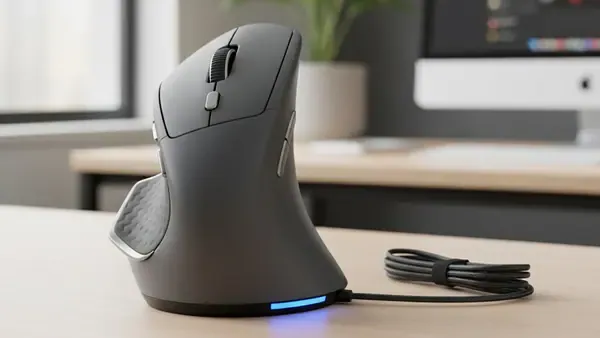
Vertical ergonomic mice aim to reduce wrist and forearm strain from prolonged computer use by promoting a more natural 'handshake' posture, reducing unnatural wrist twisting. This design can alleviate pressure on nerves and tendons, potentially lowering the risk of repetitive strain injuries like carpal tunnel syndrome. While studies suggest posture changes can help, individual comfort depends on factors like hand size and grip. Features such as thumb rests and adjustable DPI enhance usability, though an adjustment period is typically required for users to adapt to the new grip and regain precision.

TBN's observations

First-hand measurement across 1 source

We measured how 1 outlet covered this story. Coverage leans balanced overall (Left 33%, Centre 34%, Right 33%). Overall sentiment is positive (70/100).

Outlets analysed (first-hand measurement by TBN's Bias Engine):

  • mint— balanced framing, positive sentiment
Political Bias
33%34%33%
Sentiment
70%
AI analysis of 1 source · Published under editorial oversight by The Balanced News
Analysed 12 Nov 2025· How this analysis is produced· Editorial standards· Corrections

AI Analysis

Political bias across 1 sources
● Left 33%● Center 34%● Right 33%

This article focuses on the technical design and health benefits of an ergonomic mouse. It presents information factually without engaging in political discourse or favoring any particular political viewpoint or ideology.

Sentiment — Positive (70/100)

The article's sentiment is generally positive and informative, highlighting the potential health benefits and functional advantages of vertical ergonomic mice. It acknowledges a learning curve but frames the product as a beneficial solution for computer-related strain.

How 1 sources covered this story

Each source's own headline, political lean, and sentiment — so you can see framing differences at a glance.

← Previous
AI Models Achieve High Scores on Difficult Chartered Financial Analyst Exams
Next →
Cursor CEO Warns Against Over-Reliance on AI-Generated Code
Source
Their headline
Bias
Sentiment
mintVertical ergonomic mouse explained: Does the design truly help to reduce strain? MintCenterPositive

Story context

Category
Tech
Location
Tendon, France
Sources analysed
1
Last analysed
12 Nov 2025
Key entities
WristMouseRepetitive strain injuryForearmStiffnessCarpal tunnel syndromeNerveTendonMuscle tonePeripheralFriction