2 hours agoTech
32LENS
2 Sources
 thebalanced.news
Study Develops Framework Using Smartwatch Data to Detect Early Diabetes Risk
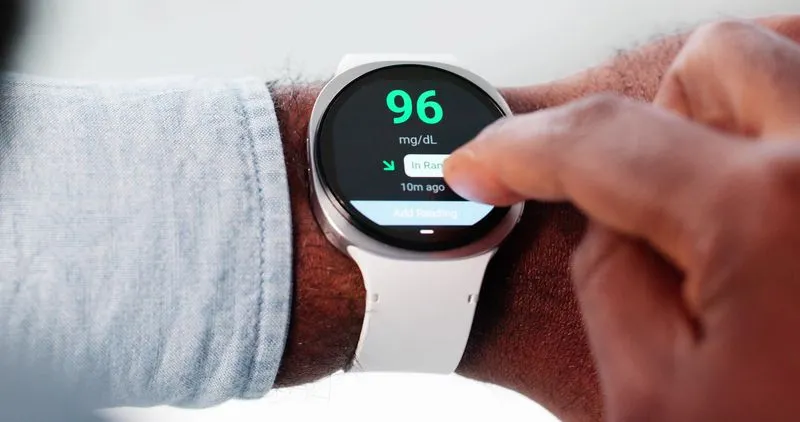
A study by Google Research developed a scalable framework using smartwatch data, demographics, and blood biomarkers to predict insulin resistance, an early indicator of diabetes risk. Analyzing 1,165 participants, researchers found fasting glucose alone insufficient, emphasizing lifestyle factors. They also created a language model, 'IR agent,' to integrate data and offer personalized metabolic health insights. Published in Nature, the study suggests this approach could enable early detection and timely interventions to prevent type 2 diabetes.
Political Bias
0%100%0%
Sentiment
75%
20 stories available
View AI Analysis
Bias Analysis: The articles present a scientific and technological development without evident political framing. Coverage focuses on research findings from a US-based institution, emphasizing health and innovation. There is no partisan perspective or political commentary, reflecting a neutral, fact-based approach typical of health and science reporting.
Sentiment: The tone across the articles is positive and informative, highlighting the potential benefits of the new framework for early diabetes detection. The coverage emphasizes scientific progress and health improvement without sensationalism or criticism, maintaining an optimistic yet measured sentiment.
Lens Score: 32/100 — Story is well-covered by media outlets. Public interest: 0/100. Coverage gap: 100%.
Related Coverage
Select a news story to see related coverage from other media outlets.