Scientists Develop First Fully Artificial Cell Capable of Growth and Replication
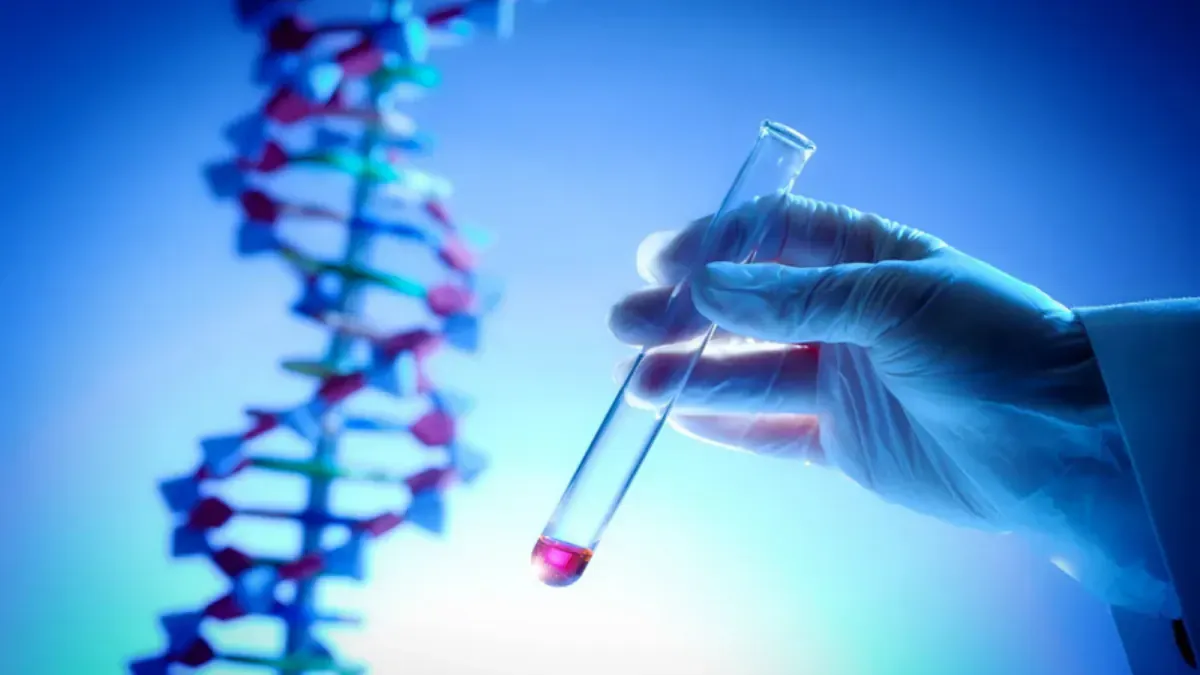
Researchers at the University of Minnesota Twin Cities have developed 'SpudCell,' the world's first fully artificial cell capable of feeding, growing, and replicating using only non-living chemical components. This synthetic cell features a compact genome across seven DNA plasmids and operates in controlled conditions. While not considered true creation of life, experts highlight its potential to advance healthcare fields such as cancer treatment, diabetes management, drug development, and personalized medicine.
First-hand measurement across 2 sources
We measured how 2 outlets covered this story. Coverage leans balanced overall (Left 0%, Centre 100%, Right 0%). Overall sentiment is positive (80/100). Lens Score 28/100 — low public interest.
Outlets analysed (first-hand measurement by TBN's Bias Engine):
- timesnow— balanced framing, positive sentiment
- news18— balanced framing, positive sentiment
AI Analysis
The articles present a scientific achievement without political framing, focusing on the research team's innovation and potential medical applications. Both sources emphasize the breakthrough's technical aspects and future healthcare implications, reflecting a neutral, science-centered perspective without partisan viewpoints.
Coverage across the articles is generally positive, highlighting the breakthrough as a significant advancement in synthetic biology. The tone is optimistic about future medical benefits while maintaining caution by clarifying that this does not equate to creating life, balancing excitement with scientific prudence.
How 2 sources covered this story
Each source's own headline, political lean, and sentiment — so you can see framing differences at a glance.