Scientists Develop Synthetic Cell Capable of Feeding, Growing, and Replicating
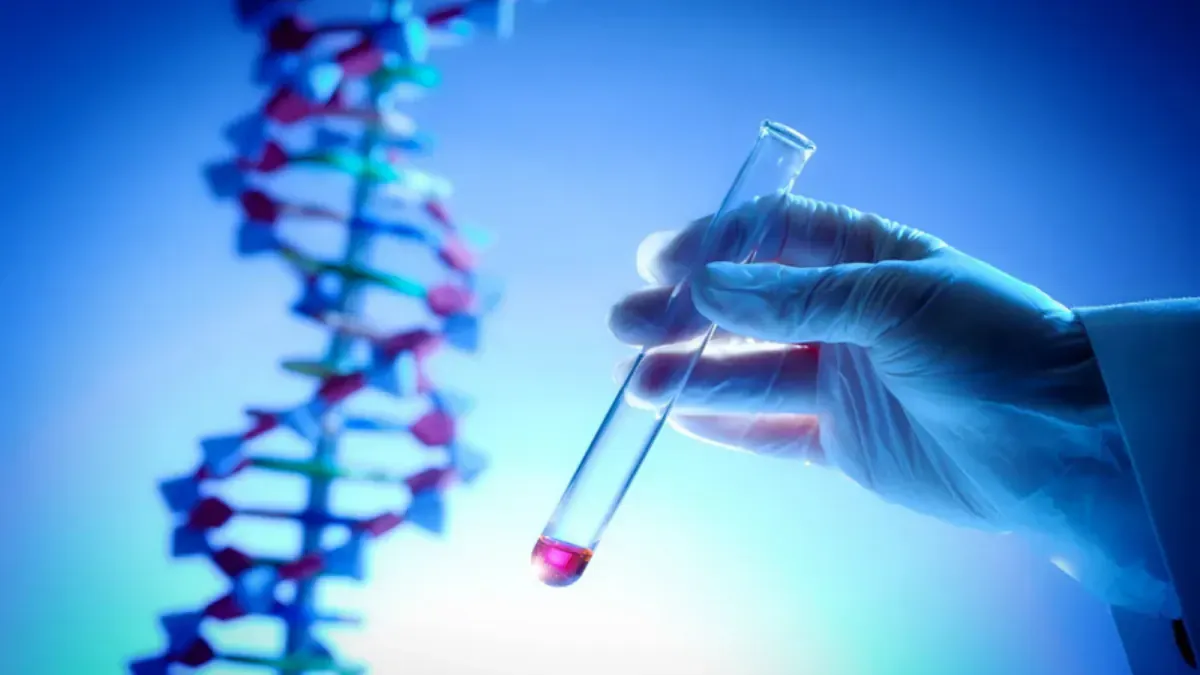
Researchers at the University of Minnesota have developed 'SpudCell,' the world's first synthetic cell built entirely from non-living components that can feed, grow, replicate, and pass genetic material. This lab-made cell features a compact genome and mimics key biological functions, marking a significant advance in synthetic biology. While not fully alive and reliant on external nutrients and ribosomes, SpudCell demonstrates the potential to engineer life-like systems, with implications for medicine and biotechnology.
First-hand measurement across 4 sources
We measured how 4 outlets covered this story. Coverage leans balanced overall (Left 0%, Centre 100%, Right 0%). Overall sentiment is positive (78/100). Lens Score 28/100 — low public interest.
Outlets analysed (first-hand measurement by TBN's Bias Engine):
- freepressjournal— balanced framing, positive sentiment
- firstpost— balanced framing, positive sentiment
- timesnow— balanced framing, positive sentiment
- news18— balanced framing, positive sentiment
AI Analysis
The article group presents a scientific and technological perspective without evident political framing. Coverage focuses on the research achievement and its potential applications, reflecting viewpoints from the scientific community and project leaders. There is no partisan or ideological bias, as the sources emphasize factual reporting of the breakthrough and its limitations.
The overall tone across the articles is positive and optimistic, highlighting the breakthrough as a major scientific milestone. While acknowledging current limitations of the synthetic cell, the coverage conveys enthusiasm about future possibilities in healthcare and synthetic biology, maintaining a balanced and factual narrative without exaggeration.
How 4 sources covered this story
Each source's own headline, political lean, and sentiment — so you can see framing differences at a glance.