European Nations Establish CERN for Collaborative Physics Research in 1954
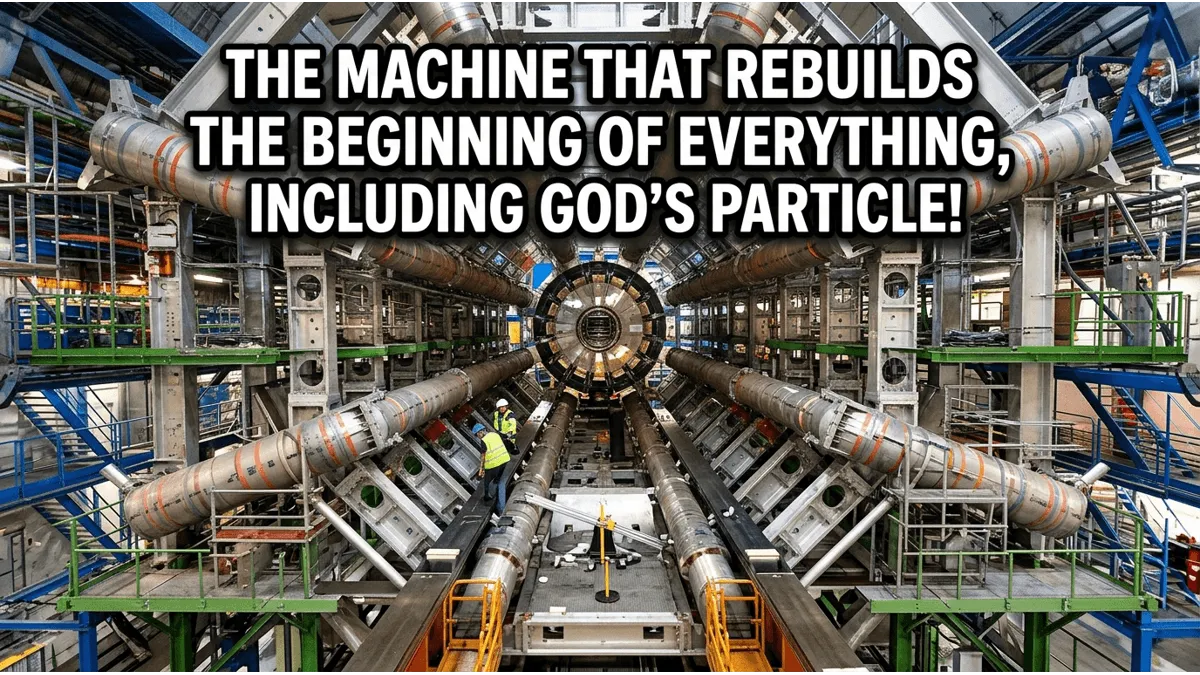
After World War II, European physicists faced challenges due to limited resources and many working abroad. Quantum physicist Louis de Broglie proposed a collaborative effort to build advanced physics machines. Over two years, scientists sought a stable, neutral site, selecting farmland on the France-Switzerland border near Geneva. On September 29, 1954, eleven governments established CERN, the European Organization for Nuclear Research, to advance scientific research collectively.
First-hand measurement across 2 sources
We measured how 2 outlets covered this story. Coverage leans balanced overall (Left 0%, Centre 100%, Right 0%). Overall sentiment is positive (75/100). Lens Score 22/100 — low public interest.
Outlets analysed (first-hand measurement by TBN's Bias Engine):
- oneindia— balanced framing, positive sentiment
- oneindia— balanced framing, positive sentiment
AI Analysis
The articles present a historical account focusing on scientific collaboration without political framing. They highlight post-war European cooperation and neutrality in site selection, reflecting a consensus-driven narrative. No partisan viewpoints or political controversies are evident, emphasizing unity among European countries in advancing physics research.
The tone across the articles is neutral and informative, emphasizing the pragmatic and cooperative efforts of European scientists. There is a positive undertone regarding collaboration and scientific progress, but the language remains factual without emotional or sensational elements.
How 2 sources covered this story
Each source's own headline, political lean, and sentiment — so you can see framing differences at a glance.