2 hours agoTech
37LENS
1 SourcesNorway
 thebalanced.news
Drones Used to Sample Whale Breath for Virus Detection in Arctic
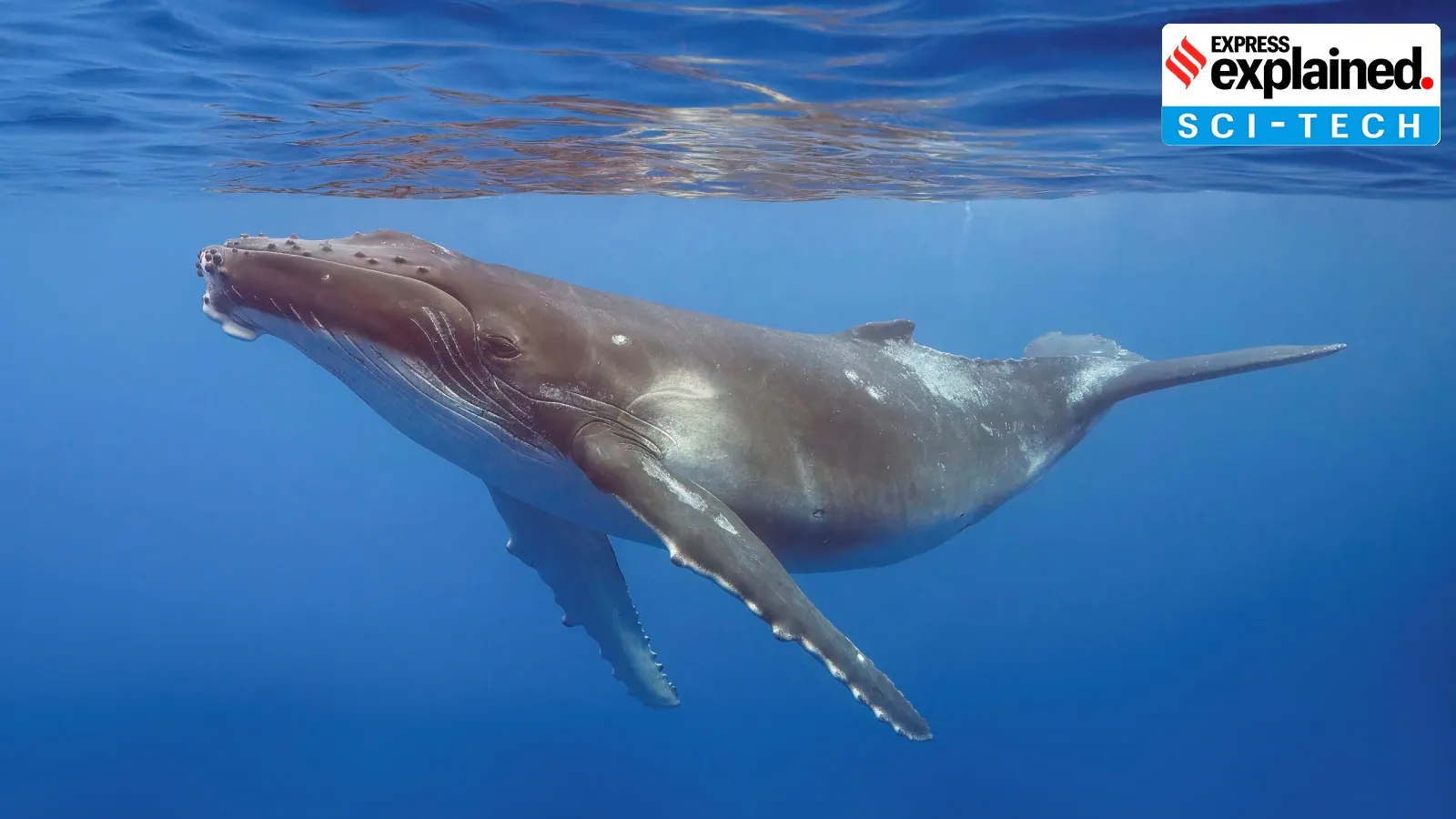
Scientists have developed a novel method using drones to collect breath samples from wild Arctic whales, a technique that avoids invasive procedures like dart guns or relying on deceased animals. This innovative approach allowed researchers to detect the cetacean morbillivirus, a pathogen linked to mass strandings, in Arctic waters for the first time. The study, published in BMC Veterinary Research, marks a significant advancement in studying elusive whale populations and understanding disease transmission.
Political Bias
33%34%33%
Sentiment
65%
Related Coverage
Select a news story to see related coverage from other media outlets.