AI's Impact on Employment: Task Automation, Skill Shifts, and Policy Responses in India and China
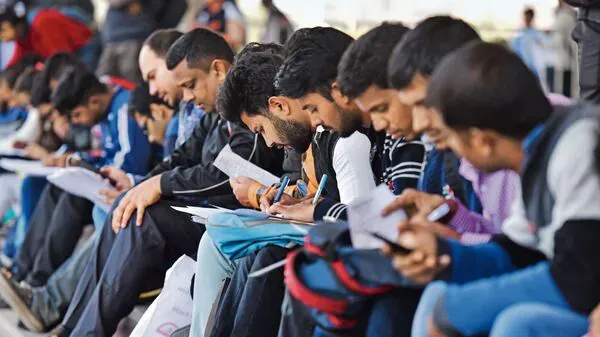
Debate continues on AI's impact on employment, with concerns about automation reducing entry-level jobs and augmenting complex tasks. India is encouraged to focus on human skills that complement AI. Meanwhile, China faces rising youth unemployment linked to AI adoption and has introduced legal measures to protect workers from layoffs, contrasting with the US approach. Both countries highlight challenges in balancing AI-driven efficiency with job security amid evolving labor markets.
First-hand measurement across 3 sources
We measured how 3 outlets covered this story. Coverage leans balanced overall (Left 13%, Centre 82%, Right 5%). Overall sentiment is neutral (58/100). Lens Score 25/100 — low public interest.
Outlets analysed (first-hand measurement by TBN's Bias Engine):
- thefinancialexpress— balanced framing, neutral sentiment
- mint— balanced framing, positive sentiment
- mint— balanced framing, neutral sentiment
AI Analysis
The articles present a balanced view by discussing multiple perspectives on AI's effects on jobs, including economic, technological, and policy angles. They highlight concerns from labor and government viewpoints, contrasting China's regulatory approach with the US's less interventionist stance, while emphasizing India's need for skill adaptation. The coverage avoids partisan framing, focusing on factual developments and policy debates.
The overall tone is measured and analytical, acknowledging both the risks and opportunities AI presents for employment. While concerns about job scarcity and labor market challenges are noted, the articles also emphasize adaptive strategies and policy efforts. The sentiment is mixed, reflecting cautious optimism alongside recognition of ongoing uncertainties and difficulties.