Meta Unveils AI System Converting Brain Activity to Text Without Surgery
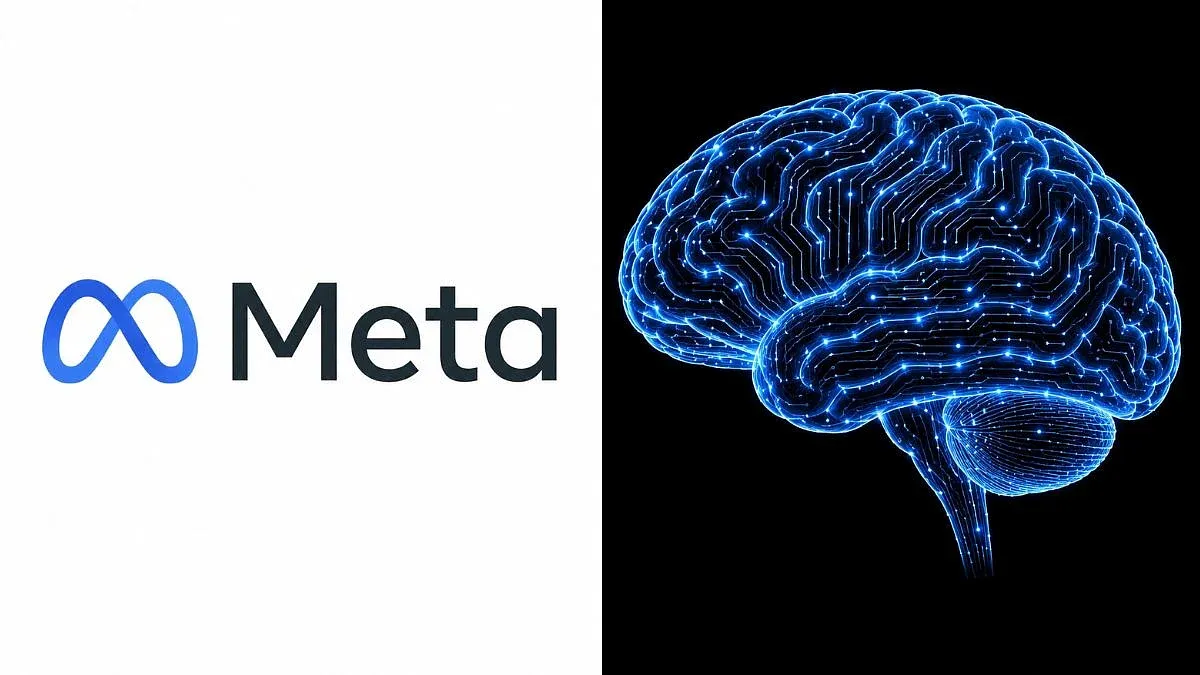
Meta has introduced Brain2Qwerty v2, an AI system that decodes brain activity into text in real time without surgical implants, using non-invasive magnetoencephalography (MEG). Trained on data from nine volunteers, it employs deep learning and large language models to interpret raw brain signals with accuracy nearing invasive methods. This technology aims to assist individuals with communication impairments due to brain lesions or neurological conditions, offering a less risky alternative to implant-based interfaces like Neuralink.
First-hand measurement across 3 sources
We measured how 3 outlets covered this story. Coverage leans balanced overall (Left 0%, Centre 100%, Right 0%). Overall sentiment is positive (75/100). Lens Score 29/100 — low public interest.
Outlets analysed (first-hand measurement by TBN's Bias Engine):
- freepressjournal— balanced framing, positive sentiment
- news18— balanced framing, positive sentiment
- thetribune— balanced framing, positive sentiment
AI Analysis
The article group presents a technology-focused narrative without evident political framing. Coverage centers on Meta's AI innovation and its potential medical applications, with no partisan viewpoints or political commentary. Sources emphasize scientific progress and health benefits, maintaining a neutral stance on corporate or regulatory aspects.
The overall tone across the articles is positive, highlighting the technological advancement and potential to aid people with communication challenges. While some sources mention competition with other companies like Neuralink, the sentiment remains factual and optimistic about the system's capabilities and non-invasive approach, avoiding sensationalism or criticism.
How 3 sources covered this story
Each source's own headline, political lean, and sentiment — so you can see framing differences at a glance.