3 hours agoTech
37LENS
1 Sources
 thebalanced.news
Chromosome Sets Linked to Faster Mitochondrial Evolution in Insects, Study Finds
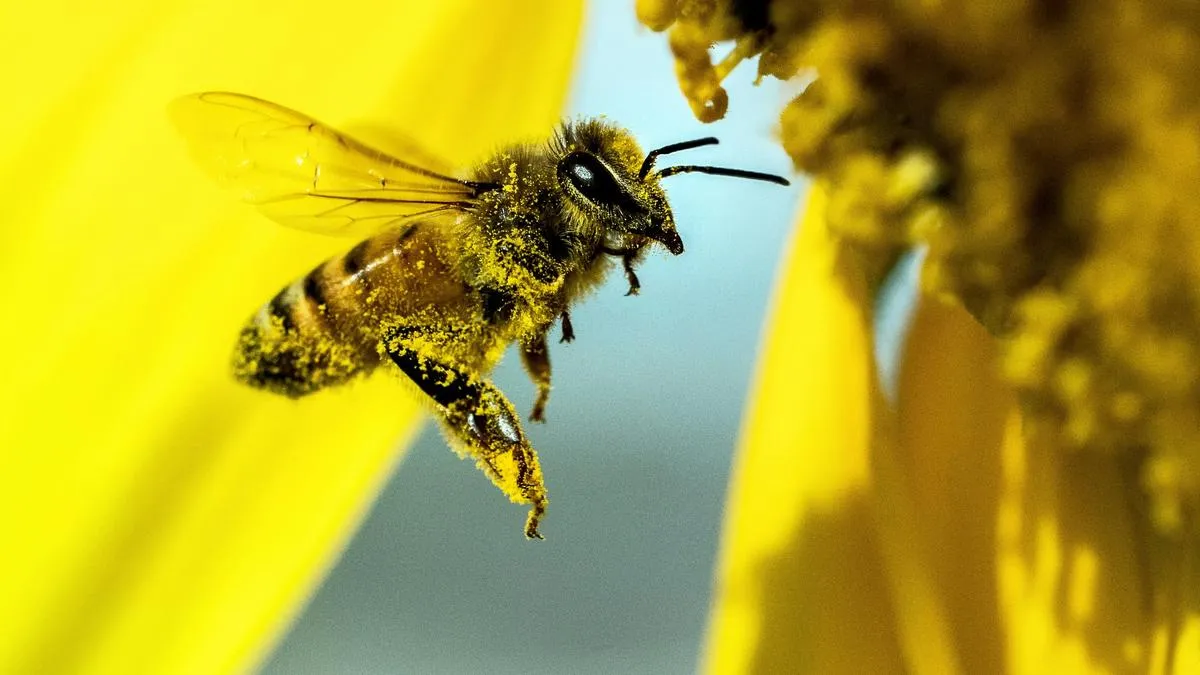
Researchers have discovered a link between the number of chromosome sets in insect cells and the rate of mitochondrial genome evolution. This finding is unexpected, as mitochondrial DNA evolution is typically associated with factors like mutation rate and population size, not nuclear chromosomes. The study, published in Proceedings of the Royal Society B, suggests that insects with haplo-diploid sex determination (where females are diploid and males are haploid) may evolve mitochondrial DNA faster. This could impact our understanding of insect DNA changes and biodiversity tracking.
Political Bias
33%34%33%
Sentiment
62%
Related Coverage
Select a news story to see related coverage from other media outlets.