Chandigarh University Develops AI Model to Predict Crop Yields Using Satellite and Climate Data
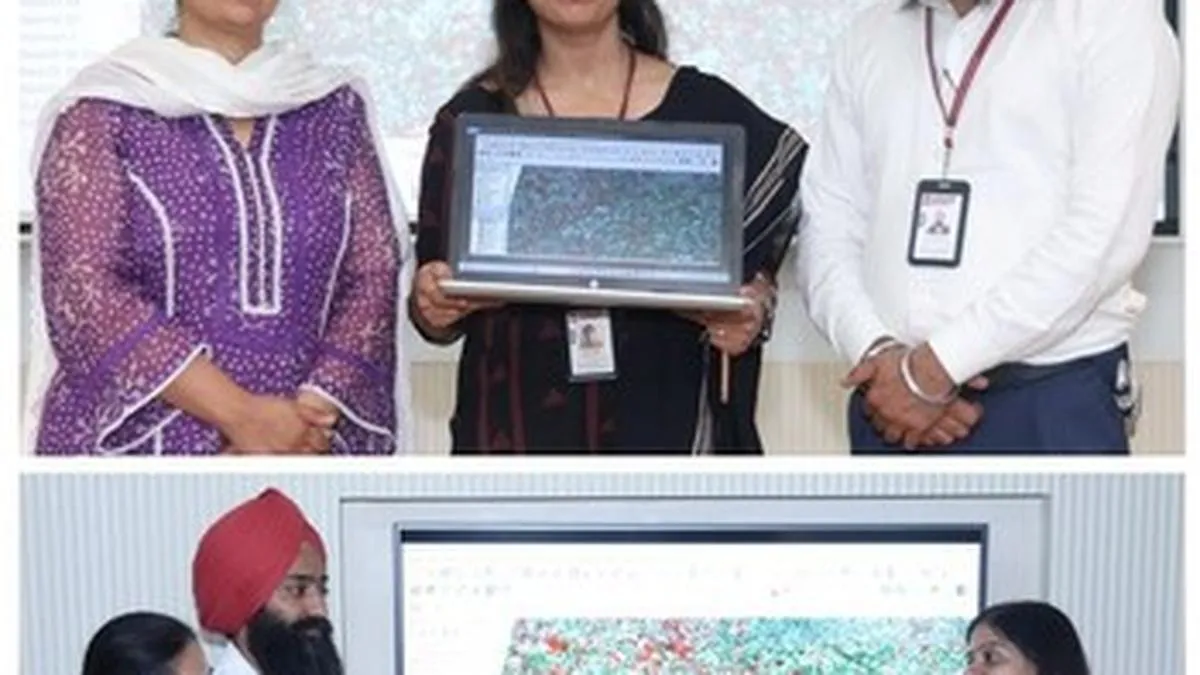
Researchers at Chandigarh University have developed an AI-powered Transformer Model that predicts crop yields accurately using satellite imagery, climate data, and historical agricultural records. Led by Kusum Lata and colleagues, the model aims to support farmers, policymakers, and agricultural agencies in Punjab by providing timely, precise forecasts before harvest. Presented at the 2026 ICSPED conference, this lightweight system addresses challenges from climate variability and aims to improve food security and farm management efficiency.
First-hand measurement across 3 sources
We measured how 3 outlets covered this story. Coverage leans balanced overall (Left 0%, Centre 100%, Right 0%). Overall sentiment is positive (75/100). Lens Score 28/100 — low public interest.
Outlets analysed (first-hand measurement by TBN's Bias Engine):
- businessstandard— balanced framing, positive sentiment
- thetribune— balanced framing, positive sentiment
- thehindu— balanced framing, positive sentiment
AI Analysis
The articles present a neutral, fact-based perspective focusing on technological innovation in agriculture without political framing. They highlight academic research and its potential benefits for farmers and policymakers, avoiding partisan viewpoints or policy debates. The coverage centers on scientific advancement and practical applications rather than political implications.
The tone across the articles is positive and optimistic, emphasizing the potential benefits of the AI model for improving crop yield predictions and supporting farmers. The coverage highlights innovation and problem-solving in agriculture, with no negative or critical sentiment evident.
How 3 sources covered this story
Each source's own headline, political lean, and sentiment — so you can see framing differences at a glance.