Skip to content
Get the Balanced News app for a better experience!
The Balanced News Logo
Analytics
The Balanced News Logo

Stay Balanced, Stay Informed

Menu
  • Browse News
  • Underreported Stories
  • Curated Feeds
  • Insights
  • Analytics
  • Our Writers
  • About Us
  • Download App
Learn
  • How It Works
  • Bias Detection
  • Lens Score
  • Source Bias Checker
  • Accountability
  • Custom Feeds
Newsroom
  • Writers & Analysts
  • About TBN
  • Editorial Standards
  • Corrections Policy
  • Our Partners
  • Insights
Socials
  • Youtube
  • Instagram
  • X
  • Facebook
News Categories
  • Trending
  • Politics
  • Sports
  • Business
  • Tech
  • Entertainment
  • Health
  • Science
  • Crime
  • Lifestyle
  • National
  • International
  • Good News
  • Crypto

Get Our App

Available for iOS and Android


LensFeedsInsightsAnalyticsTrendingGood NewsSportsPoliticsBusinessCrimeTechEntertainmentHealthNationalInternational

© 2026 The Balanced News. All rights reserved.

About UsEditorial StandardsCorrectionsHelp & SupportPrivacy PolicyTerms & Conditions
NIT Rourkela Develops Electrochemical Process to Convert Urine into Fertiliser
Categories

Categories

Related Coverage

Select a news story to see related coverage from other media outlets.

Related Coverage

Select a news story to see related coverage from other media outlets.

  1. Home
  2. /
  3. Technology

NIT Rourkela Develops Electrochemical Process to Convert Urine into Fertiliser

Analysed 23 Nov 2026·2 sources analysed·Rourkela, India·Technology
NIT Rourkela Develops Electrochemical Process to Convert Urine into FertiliserPreviousNext

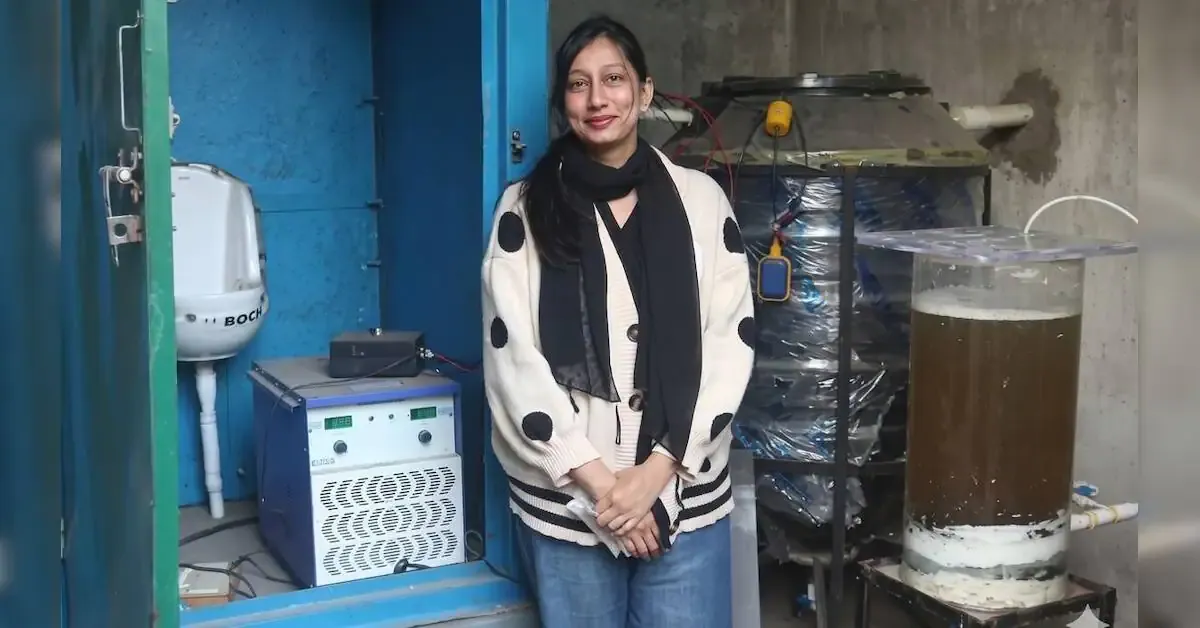
Scientists at NIT Rourkela have developed an electrochemical method to recover over 98% of phosphorus from human urine, converting it into struvite, a slow-release fertiliser. This process uses magnesium electrodes and electricity, avoiding continuous chemical additions, and has shown comparable plant growth results to commercial fertilisers. The technology aims to reduce India's reliance on imported fertiliser raw materials, with pilot-scale tests indicating a payback period of about 6.5 years. Further development includes larger systems and field trials.

Sentiment
75%
TBN's observations

First-hand measurement across 2 sources

We measured how 2 outlets covered this story. No outlet gave this story a measurable political slant — there is no left–right reading to report. Overall sentiment is positive (75/100). Lens Score 39/100.

Outlets measured: businessstandard, moneycontrol. See how each one headlined and framed the same story in the source comparison below.

AI analysis of 2 sources · Published under editorial oversight by The Balanced News
Analysed 23 Nov 2026· How this analysis is produced· Editorial standards· Corrections

AI Analysis

Sentiment — Positive (75/100)

Sentiment was consistent across outlets (75–75/100), indicating broadly factual reporting rather than editorialising.

Coverage timeline

moneycontrol broke this story on 23 Nov, 07:34 am. Other outlets followed.

23 Nov, 07:34 am2 sources · 6 h23 Nov, 01:59 pm
AI analysis by the TBN Bias Engine · beat methodology byAshwin Alsi· Technology Editor· editorial standards byOjas Kale
← Previous
Matters.ai Raises $12 Million to Expand AI-Powered Enterprise Data Security Platform
Next →
Bolna Hosts Inaugural Symphony Summit, Uniting India's Voice AI Ecosystem
1
moneycontrol23 Nov, 07:34 am
From human urine to fertiliser: NIT Rourkela scientists find a way to recover 98 of phosphorus- Moneycontrol.com
  • 2
    businessstandard23 Nov, 01:59 pm
    NIT Rourkela develops urine-based fertiliser tech to cut import reliance
  • Story context

    Category
    Tech
    Location
    Rourkela, India
    Sources analysed
    2
    Last analysed
    23 Nov 2026
    Key entities
    PhosphorusUrineFertilizerStruviteNational Institute of Technology, RourkelaMagnesiumElectrochemistryElectrodeRourkelaNutrientChemical substanceElectric current