ISRO Successfully Tests Semi-Cryogenic Engine Power Head at 175 Tons Thrust
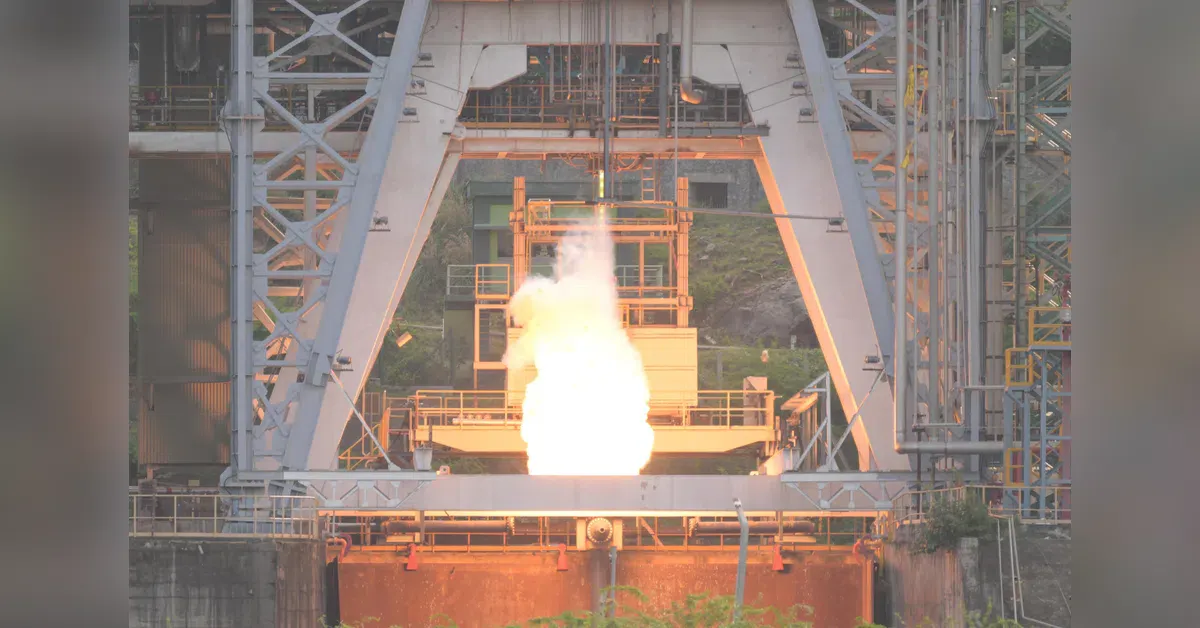
The Indian Space Research Organisation (ISRO) successfully conducted a hot test of its semi-cryogenic engine power head at 88% of its target thrust, achieving 175 tons on June 24 at the ISRO Propulsion Complex in Tamil Nadu. This test, following earlier trials at 47% and 60% thrust, demonstrated stable operation and builds confidence for a full 200-ton thrust demonstration. The semi-cryogenic propulsion stage, powered by the 2,000-kilonewton SE2000 engine using liquid oxygen and kerosene, is designed to replace the L110 core stage on the LVM3 rocket, aiming to enhance payload capacity and operational efficiency. The upgrade is expected to enter service by 2027, supporting heavier satellite launches and future missions.
First-hand measurement across 2 sources
We measured how 2 outlets covered this story. Coverage leans balanced overall (Left 0%, Centre 100%, Right 0%). Overall sentiment is positive (75/100). Lens Score 32/100 — low public interest.
Outlets analysed (first-hand measurement by TBN's Bias Engine):
- economictimes— balanced framing, positive sentiment
- businessstandard— balanced framing, positive sentiment
AI Analysis
The article group presents a largely technical and developmental perspective on ISRO's propulsion system advancement, focusing on scientific progress and national space capabilities. Coverage is neutral, emphasizing ISRO's statements and technical details without political framing or partisan commentary. The sources highlight the strategic importance of the upgrade without engaging in political debate, reflecting a consensus on the significance of the achievement.
The overall tone across the articles is positive and optimistic, highlighting ISRO's successful test as a key milestone in advancing India's space technology. The language conveys confidence and progress, with emphasis on future benefits such as increased payload capacity and enhanced operational efficiency. There is no critical or negative sentiment; instead, the coverage celebrates technical achievement and potential growth in space capabilities.