ISRO Successfully Tests Semi-Cryogenic Engine Power Head at Near-Full Thrust
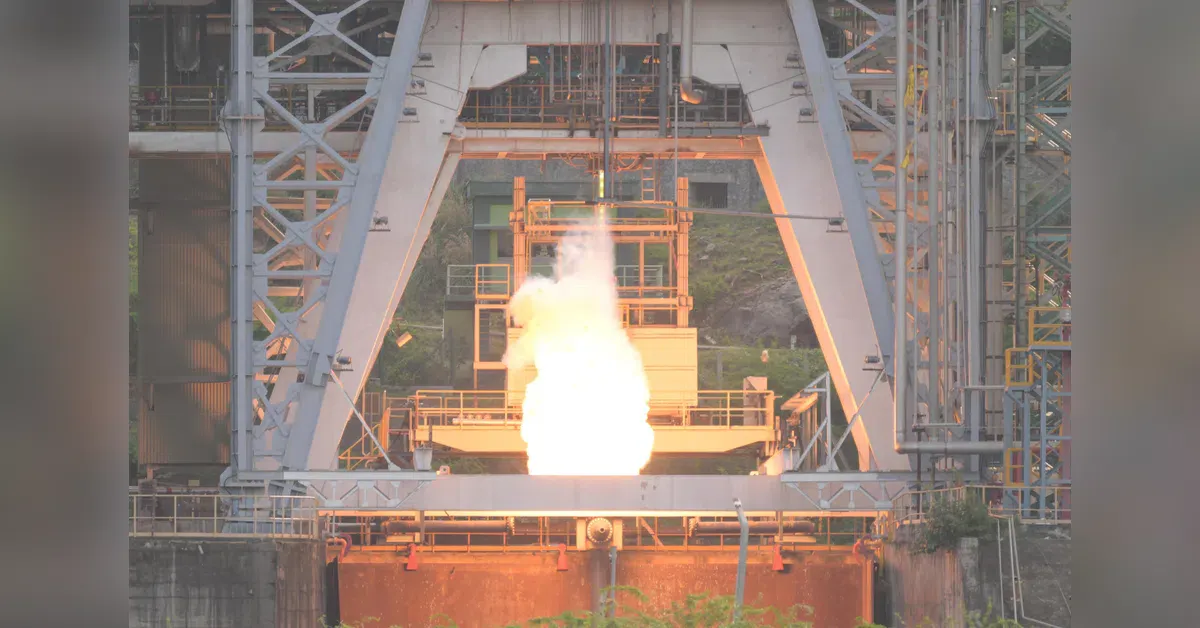
On June 24, ISRO successfully conducted the eighth hot test of its semi-cryogenic engine power head at 88% of its target thrust (175 tons) at the Propulsion Complex in Tamil Nadu. This test demonstrated stable operation of key engine components, including turbopumps operating at high pressures, and builds confidence for a full 200-ton thrust demonstration. The semi-cryogenic engine, using liquid oxygen and kerosene, is designed to replace the L110 core stage of the LVM3 rocket, enhancing payload capacity and operational efficiency, with expected operational readiness by 2027.
First-hand measurement across 4 sources
We measured how 4 outlets covered this story. Coverage leans balanced overall (Left 0%, Centre 100%, Right 0%). Overall sentiment is positive (75/100). Lens Score 32/100 — low public interest.
Outlets analysed (first-hand measurement by TBN's Bias Engine):
- hindustantimes— balanced framing, positive sentiment
- swarajyamag— balanced framing, positive sentiment
- economictimes— balanced framing, positive sentiment
- businessstandard— balanced framing, positive sentiment
AI Analysis
The article group presents a largely technical and developmental perspective on ISRO's engine test, focusing on scientific progress and national space capabilities. Coverage is primarily factual and celebratory of technological advancement, with minimal political framing. Some sources highlight strategic and commercial implications, while others emphasize the connection to India's human spaceflight goals, reflecting a range of institutional and public interest viewpoints without partisan bias.
The overall sentiment across the articles is positive, emphasizing achievement and progress in India's space technology. The tone is optimistic and forward-looking, highlighting milestones and future potential. While the coverage is enthusiastic about the technical success, it remains measured and factual, avoiding exaggeration or speculative claims.