Microsoft Leaders Discuss AI's Impact, Efficiency, and Public Concerns Amid Backlash
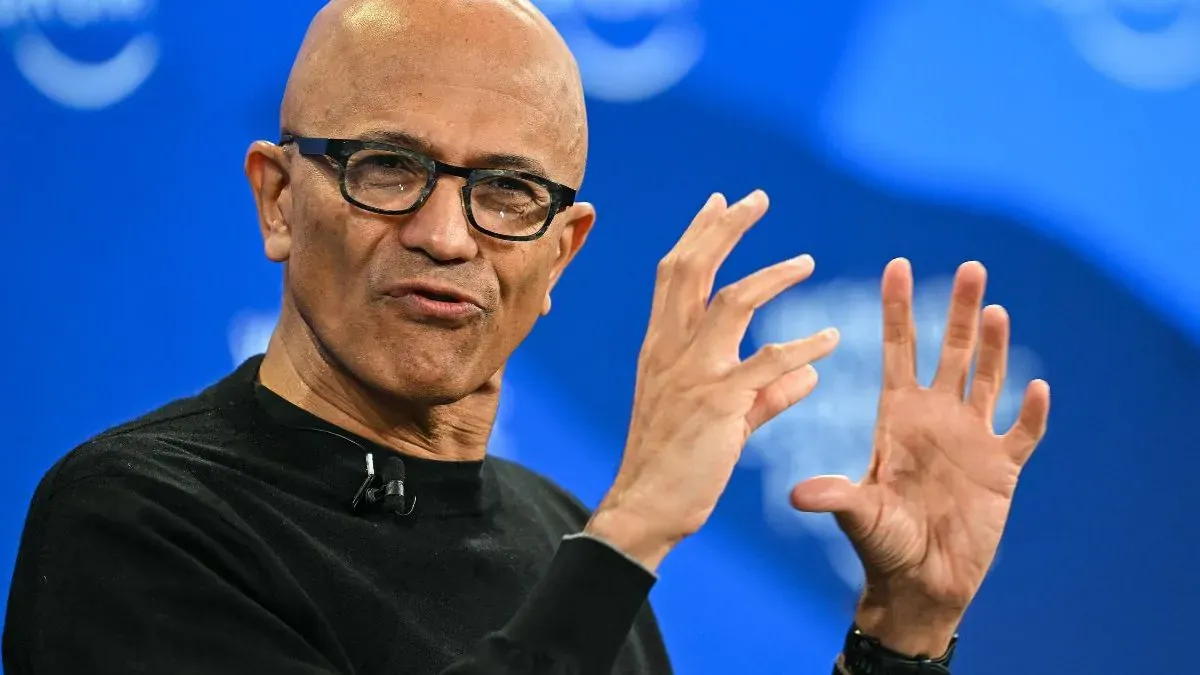
Microsoft leaders Satya Nadella and Brad Smith addressed the evolving role of AI amid growing public concern. Nadella acknowledged widespread AI backlash and potential job displacement but highlighted AI's benefits, including wage growth and practical applications like AI-assisted coding. He emphasized efficient AI use over token consumption. Smith responded to student apprehensions by urging optimism, citing AI's potential for positive impact despite workforce disruptions and layoffs. Both stressed responsible AI integration and the need to balance innovation with societal concerns.
First-hand measurement across 3 sources
We measured how 3 outlets covered this story. Coverage leans balanced overall (Left 10%, Centre 88%, Right 2%). Overall sentiment is positive (67/100). Lens Score 31/100 — low public interest.
Outlets analysed (first-hand measurement by TBN's Bias Engine):
- indianexpress— balanced framing, neutral sentiment
- firstpost— balanced framing, positive sentiment
- thehindu— balanced framing, neutral sentiment
AI Analysis
The articles present a range of perspectives from Microsoft executives acknowledging both the benefits and challenges of AI. Nadella's comments reflect a pragmatic stance on AI's economic and social implications, including job displacement and wealth distribution debates. Smith's response to student protests introduces a balanced view recognizing public anxiety while advocating for AI's positive potential. The coverage includes political references, such as Bernie Sanders and Donald Trump, illustrating AI's broader societal debate without endorsing any viewpoint.
The overall tone across the articles is mixed, combining cautious optimism with acknowledgment of public unease. Nadella and Smith convey confidence in AI's benefits and potential for societal good, while also recognizing backlash, job concerns, and ethical considerations. The sentiment balances enthusiasm for technological progress with sensitivity to workforce impacts and public skepticism, resulting in a nuanced portrayal rather than purely positive or negative coverage.