ISRO Invites Indian Researchers to Propose Studies Using XPoSat Mission Data
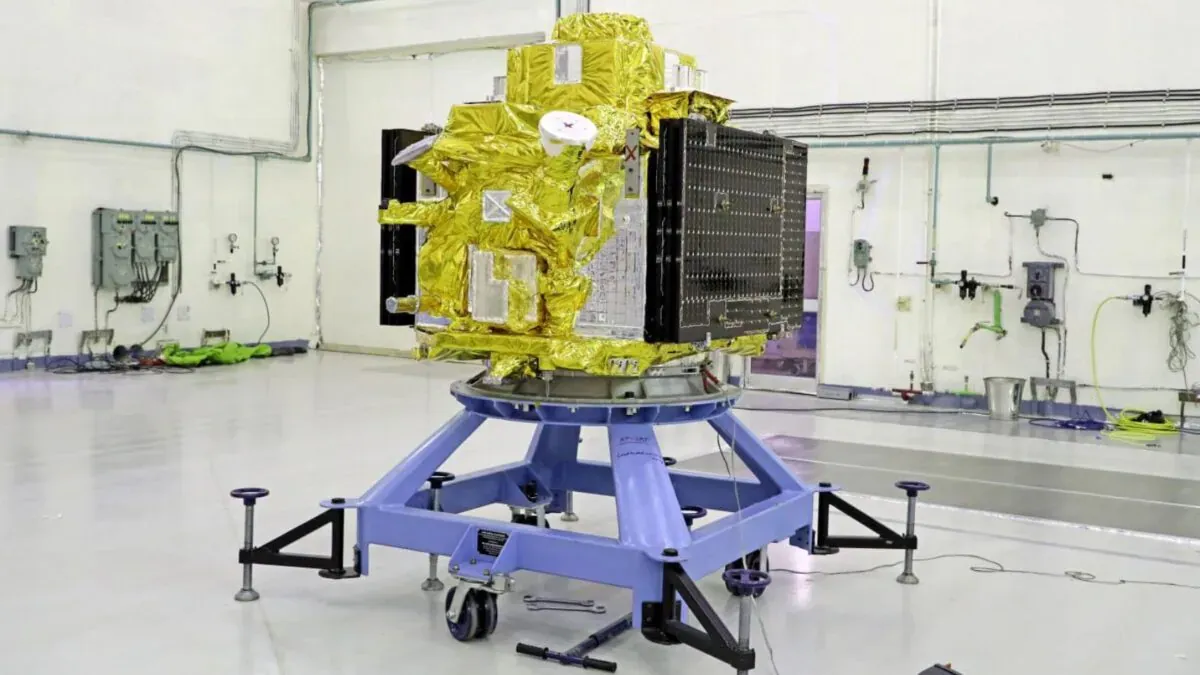
The Indian Space Research Organisation (ISRO) has issued a second call for proposals from Indian astronomers to access data from XPoSat, India's first dedicated X-ray polarimetry satellite launched on January 1, 2024. Orbiting at 650 km, XPoSat carries two scientific payloads studying X-ray emissions from celestial sources like black holes and neutron stars. Proposals focusing on the XSPECT payload are invited by July 25 for observations planned between September 2026 and March 2027. After a proprietary period, data will be publicly archived for broader scientific use.
First-hand measurement across 4 sources
We measured how 4 outlets covered this story. Coverage leans balanced overall (Left 0%, Centre 100%, Right 0%). Overall sentiment is positive (75/100). Lens Score 32/100 — low public interest.
Outlets analysed (first-hand measurement by TBN's Bias Engine):
- economictimes— balanced framing, positive sentiment
- thehindu— balanced framing, positive sentiment
- news18— balanced framing, positive sentiment
- news18— balanced framing, positive sentiment
AI Analysis
The article group presents a neutral, science-focused perspective emphasizing ISRO's outreach to the Indian astronomical community. Coverage centers on technical and procedural details without political framing. The sources uniformly highlight ISRO's role in advancing space science, with no partisan viewpoints or policy debates evident, reflecting a consensus on the mission's scientific importance.
The overall tone across the articles is positive and informative, highlighting the opportunities for Indian researchers and the scientific value of the XPoSat mission. The language is factual and encouraging, focusing on the mission's capabilities and data accessibility, without expressing criticism or controversy, thus conveying an optimistic sentiment about India's space research progress.
How 4 sources covered this story
Each source's own headline, political lean, and sentiment — so you can see framing differences at a glance.