Skip to content
Get the Balanced News app for a better experience!
The Balanced News Logo
Analytics
The Balanced News Logo

Stay Balanced, Stay Informed

Menu
  • Browse News
  • Underreported Stories
  • Curated Feeds
  • Insights
  • Analytics
  • Our Writers
  • About Us
  • Download App
Learn
  • How It Works
  • Bias Detection
  • Lens Score
  • Source Bias Checker
  • Accountability
  • Custom Feeds
Newsroom
  • Writers & Analysts
  • About TBN
  • Editorial Standards
  • Corrections Policy
  • Our Partners
  • Insights
Socials
  • Youtube
  • Instagram
  • X
  • Facebook
News Categories
  • Trending
  • Politics
  • Sports
  • Business
  • Tech
  • Entertainment
  • Health
  • Science
  • Crime
  • Lifestyle
  • National
  • International
  • Good News
  • Crypto

Get Our App

Available for iOS and Android


LensFeedsInsightsAnalyticsTrendingGood NewsSportsPoliticsBusinessCrimeTechEntertainmentHealthNationalInternational

© 2026 The Balanced News. All rights reserved.

About UsEditorial StandardsCorrectionsHelp & SupportPrivacy PolicyTerms & Conditions
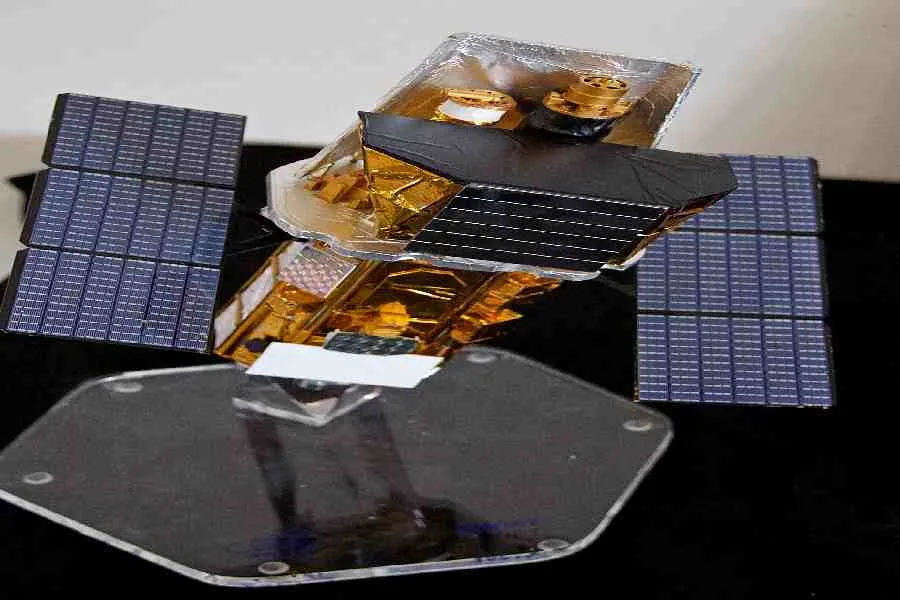
NASA Launches $30 Million Robotic Mission to Boost Aging Swift Observatory's Orbit
Categories

Categories

Related Coverage

Select a news story to see related coverage from other media outlets.

Related Coverage

Select a news story to see related coverage from other media outlets.

  1. Home
  2. /
  3. tech

NASA Launches $30 Million Robotic Mission to Boost Aging Swift Observatory's Orbit

Analysed 28 Jun 2026·4 sources analysed·Marshall Islands·tech
NASA Launches $30 Million Robotic Mission to Boost Aging Swift Observatory's OrbitPreviousNext

NASA is launching a $30 million robotic mission this week to rescue the aging Neil Gehrels Swift Observatory from orbital decay caused by intense solar activity. Startup Katalyst Space Technologies will deploy its three-armed spacecraft, Link, to rendezvous with Swift and raise its orbit from 224 to 373 miles, potentially extending its operational life by up to 10 years. This mission, the first American robotic satellite servicing effort, could pave the way for future boosts to other observatories like Hubble, which faces similar risks.

TBN's observations

First-hand measurement across 4 sources

We measured how 4 outlets covered this story. Coverage leans balanced overall (Left 0%, Centre 100%, Right 0%). Overall sentiment is positive (75/100). Lens Score 32/100 — low public interest.

Outlets analysed (first-hand measurement by TBN's Bias Engine):

  • ndtv— balanced framing, positive sentiment
  • economictimes— balanced framing, positive sentiment
  • thetelegraph— balanced framing, positive sentiment
  • wion— balanced framing, positive sentiment
Political Bias
0%100%0%
Sentiment
75%
AI analysis of 4 sources · Published under editorial oversight by The Balanced News
Analysed 28 Jun 2026· How this analysis is produced· Editorial standards· Corrections

AI Analysis

Political bias across 4 sources
● Left 0%● Center 100%● Right 0%

The articles primarily present a scientific and technological perspective focused on NASA's mission and the startup involved, with no evident political framing. They highlight innovation and space exploration efforts without partisan commentary. The coverage includes statements from NASA and Katalyst Space Technologies, reflecting institutional and industry viewpoints, while noting China's prior similar mission as context.

Sentiment — Positive (75/100)

The overall tone across the articles is positive and optimistic, emphasizing the pioneering nature of the mission and its potential to extend the Swift Observatory's life. The coverage conveys a sense of urgency due to orbital decay but focuses on the technological solution and future possibilities, maintaining an encouraging and forward-looking sentiment.

How 4 sources covered this story

Each source's own headline, political lean, and sentiment — so you can see framing differences at a glance.

Reviewed byAshwin Alsi· Technology Editor· Edited byOjas Kale
← Previous
Elon Musk Announces Grok 4.5 AI Model in Private Beta at SpaceX and Tesla
Next →
Chinese AI Models Advance in Cybersecurity, Challenging US Counterparts
SourceTheir headlineBiasSentiment
ndtvNASA's 30 Million Mission To Save Telescope From Falling Back To EarthCenterPositive
economictimesNASA races to save Swift telescope from falling back to Earth with daring rescue missionCenterPositive
thetelegraphNasa races to save ageing Swift telescope from falling back to earth; Hubble could be nextCenterPositive
wionNASA's 30 million mission aims to rescue the Swift Observatory from orbital decayCenterPositive

Coverage timeline

wion broke this story on 28 Jun, 02:15 pm. Other outlets followed.

  1. 1
    wion28 Jun, 02:15 pm
    NASA's 30 million mission aims to rescue the Swift Observatory from orbital decay
  2. 2
    thetelegraph28 Jun, 02:23 pm
    Nasa races to save ageing Swift telescope from falling back to earth; Hubble could be next
  3. 3
    economictimes28 Jun, 03:27 pm
    NASA races to save Swift telescope from falling back to Earth with daring rescue mission
  4. 4
    ndtv28 Jun, 05:24 pm
    NASA's 30 Million Mission To Save Telescope From Falling Back To Earth

Lens Score breakdown

32/100
Public interest0/100
Coverage gap100%

Well-covered story — coverage matches public importance.

Who's involved

Institutions and figures named across source coverage.

Government
NASA
Corporate
Katalyst Space Technologies

Story context

Category
Tech
Location
Marshall Islands
Sources analysed
4
Last analysed
28 Jun 2026
Key entities
SpacecraftHubble Space TelescopeTelescopeRobotNASAOrbitNorthrop Grumman PegasusSolar cycleCosmosEarthMarshall IslandsUnited States