China Approves NEO Brain-Computer Interface, Competing with Neuralink
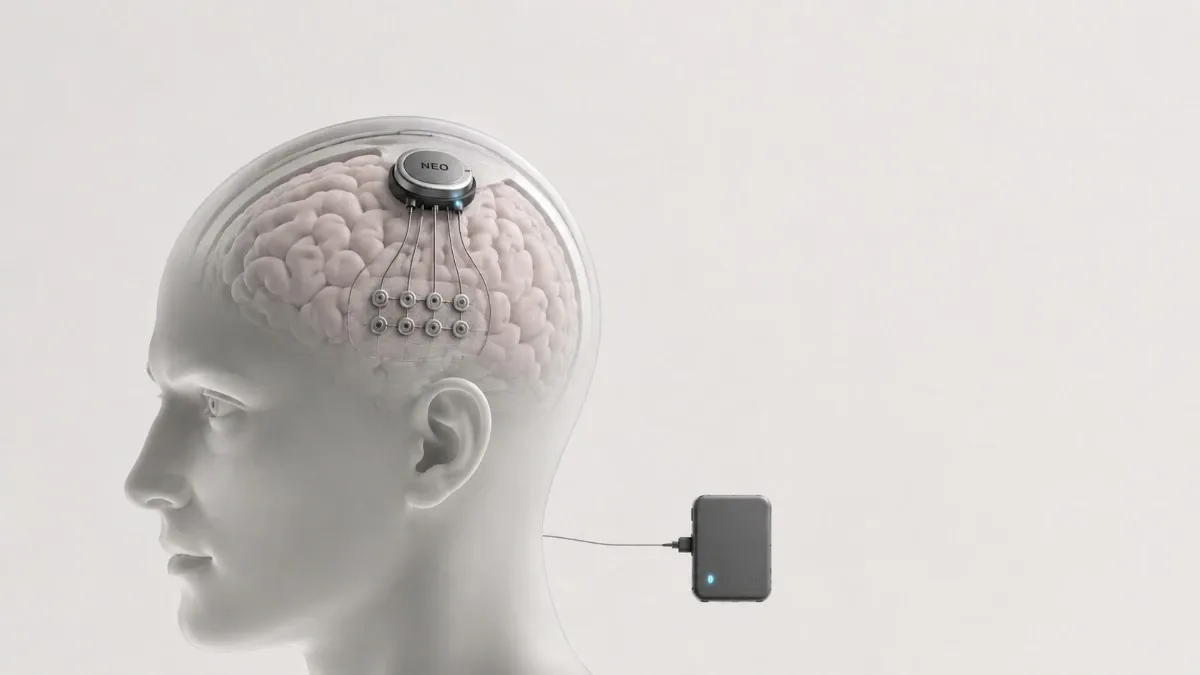
China has approved NEO, the world's first commercially cleared invasive brain-computer interface designed to aid patients with paralysis from spinal cord injuries. Developed by Neuracle Technology and Tsinghua University, NEO uses eight sensors placed on the dura mater, a less invasive method compared to Elon Musk's Neuralink, which implants electrodes directly into the brain cortex. This approval marks a significant development in brain-computer interface technology, highlighting growing competition between China and the US in this field.
First-hand measurement across 2 sources
We measured how 2 outlets covered this story. Coverage leans balanced overall (Left 0%, Centre 100%, Right 0%). Overall sentiment is positive (72/100). Lens Score 32/100 — low public interest.
Outlets analysed (first-hand measurement by TBN's Bias Engine):
- indiatoday— balanced framing, positive sentiment
- timesnow— balanced framing, positive sentiment
AI Analysis
The articles present a technological competition narrative between China and the US, focusing on innovation in brain-computer interfaces. Both sources highlight China's regulatory approval of NEO and its differences from Neuralink without overt political framing. The coverage emphasizes scientific progress and rivalry but remains centered on factual developments rather than political implications.
The overall tone is neutral to cautiously optimistic, emphasizing technological advancement and potential benefits for patients with paralysis. While the competition aspect introduces a sense of urgency, the articles avoid sensationalism, focusing on the factual approval and design differences between NEO and Neuralink.
How 2 sources covered this story
Each source's own headline, political lean, and sentiment — so you can see framing differences at a glance.