Skip to content
Get the Balanced News app for a better experience!
The Balanced News Logo
Analytics
The Balanced News Logo

Stay Balanced, Stay Informed

Menu
  • Browse News
  • Underreported Stories
  • Curated Feeds
  • Insights
  • Analytics
  • Our Writers
  • About Us
  • Download App
Learn
  • How It Works
  • Bias Detection
  • Lens Score
  • Source Bias Checker
  • Accountability
  • Custom Feeds
Newsroom
  • Writers & Analysts
  • About TBN
  • Editorial Standards
  • Corrections Policy
  • Our Partners
  • Insights
Socials
  • Youtube
  • Instagram
  • X
  • Facebook
News Categories
  • Trending
  • Politics
  • Sports
  • Business
  • Tech
  • Entertainment
  • Health
  • Science
  • Crime
  • Lifestyle
  • National
  • International
  • Good News
  • Crypto

Get Our App

Available for iOS and Android


LensFeedsInsightsAnalyticsTrendingGood NewsSportsPoliticsBusinessCrimeTechEntertainmentHealthNationalInternational

© 2026 The Balanced News. All rights reserved.

About UsEditorial StandardsCorrectionsHelp & SupportPrivacy PolicyTerms & Conditions
US Innovates Recycling of Retired Wind Turbine Blades for Infrastructure and Products
Categories

Categories

Related Coverage

Select a news story to see related coverage from other media outlets.

Related Coverage

Select a news story to see related coverage from other media outlets.

  1. Home
  2. /
  3. Technology

US Innovates Recycling of Retired Wind Turbine Blades for Infrastructure and Products

Analysed 13 Sept 2026·2 sources analysed·Houston, United States·Technology
US Innovates Recycling of Retired Wind Turbine Blades for Infrastructure and ProductsNext

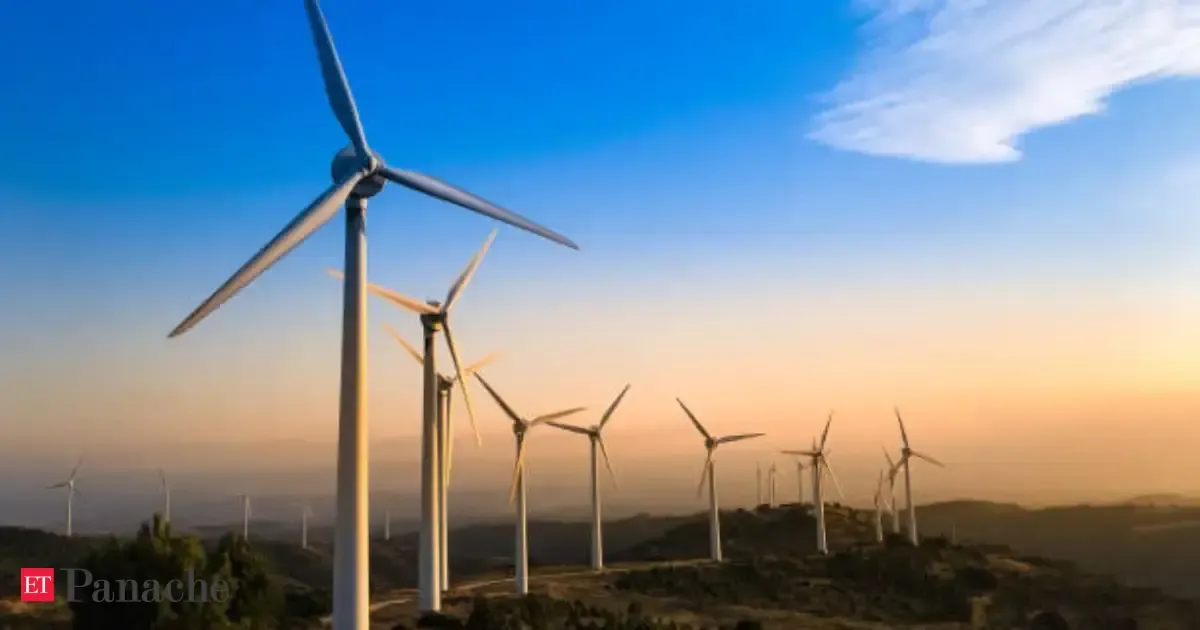
Researchers and companies in the US are developing innovative methods to recycle retired wind turbine blades, which are difficult to process due to their composite materials. The University of Houston repurposed blade sections into durable highway sign structures that withstand strong winds, while Tennessee-based Carbon Rivers uses pyrolysis to recover glass fibre for new products in automotive, marine, and construction sectors. These efforts address growing waste challenges and promote sustainable reuse of turbine components.

Sentiment
75%
TBN's observations

First-hand measurement across 2 sources

We measured how 2 outlets covered this story. No outlet gave this story a measurable political slant — there is no left–right reading to report. Overall sentiment is positive (75/100). Lens Score 44/100.

Outlets measured: economictimes, economictimes. See how each one headlined and framed the same story in the source comparison below.

AI analysis of 2 sources · Published under editorial oversight by The Balanced News
Analysed 13 Sept 2026· How this analysis is produced· Editorial standards· Corrections

AI Analysis

Sentiment — Positive (75/100)

Sentiment was consistent across outlets (75–75/100), indicating broadly factual reporting rather than editorialising.

Coverage timeline

economictimes broke this story on 12 Sept, 06:01 pm. Other outlets followed.

12 Sept, 06:01 pm2 sources · 17 h13 Sept, 10:45 am
AI analysis by the TBN Bias Engine · beat methodology byAshwin Alsi· Technology Editor· editorial standards byOjas Kale
Next →
OpenAI CEO Sam Altman Confirms IPO Delay to Focus on AI Safety Concerns
1
economictimes12 Sept, 06:01 pm
Tennessee turned 100 tonnes of old wind turbine blades into material for new products for automobiles, boats and construction
  • 2
    economictimes13 Sept, 10:45 am
    This 40-foot US highway structure was built using retired wind turbine blades. Now it survives over 100-mph winds
  • Who's involved

    Institutions and figures named across source coverage.

    Government
    University of Tennessee, KnoxvilleUnited States Department of Energy
    Corporate
    Carbon RiversGeneral Electric Company

    Story context

    Category
    Tech
    Location
    Houston, United States
    Sources analysed
    2
    Last analysed
    13 Sept 2026
    Key entities
    Composite materialRecyclingWind turbineTurbine bladeUnited States Department of EnergyLandfillCarbonTurbineEnvironmental issuesBeaufort scaleUniversity of HoustonStructural engineering