Skip to content
Get the Balanced News app for a better experience!
The Balanced News Logo
Analytics
The Balanced News Logo

Stay Balanced, Stay Informed

Menu
  • Browse News
  • Underreported Stories
  • Curated Feeds
  • Insights
  • Analytics
  • Our Writers
  • About Us
  • Download App
Learn
  • How It Works
  • Bias Detection
  • Lens Score
  • Source Bias Checker
  • Accountability
  • Custom Feeds
Newsroom
  • Writers & Analysts
  • About TBN
  • Editorial Standards
  • Corrections Policy
  • Our Partners
  • Insights
Socials
  • Youtube
  • Instagram
  • X
  • Facebook
News Categories
  • Trending
  • Politics
  • Sports
  • Business
  • Tech
  • Entertainment
  • Health
  • Science
  • Crime
  • Lifestyle
  • National
  • International
  • Good News
  • Crypto

Get Our App

Available for iOS and Android


LensFeedsInsightsAnalyticsTrendingGood NewsSportsPoliticsBusinessCrimeTechEntertainmentHealthNationalInternational

© 2026 The Balanced News. All rights reserved.

About UsEditorial StandardsCorrectionsHelp & SupportPrivacy PolicyTerms & Conditions
India's Moon Missions Advanced by PSLV and Launch Vehicle Mark-3 Rockets
Categories

Categories

Related Coverage

Select a news story to see related coverage from other media outlets.

Related Coverage

Select a news story to see related coverage from other media outlets.

  1. Home
  2. /
  3. Technology

India's Moon Missions Advanced by PSLV and Launch Vehicle Mark-3 Rockets

Analysed 8 Oct 2026·2 sources analysed·India·Technology
India's Moon Missions Advanced by PSLV and Launch Vehicle Mark-3 RocketsPreviousNext

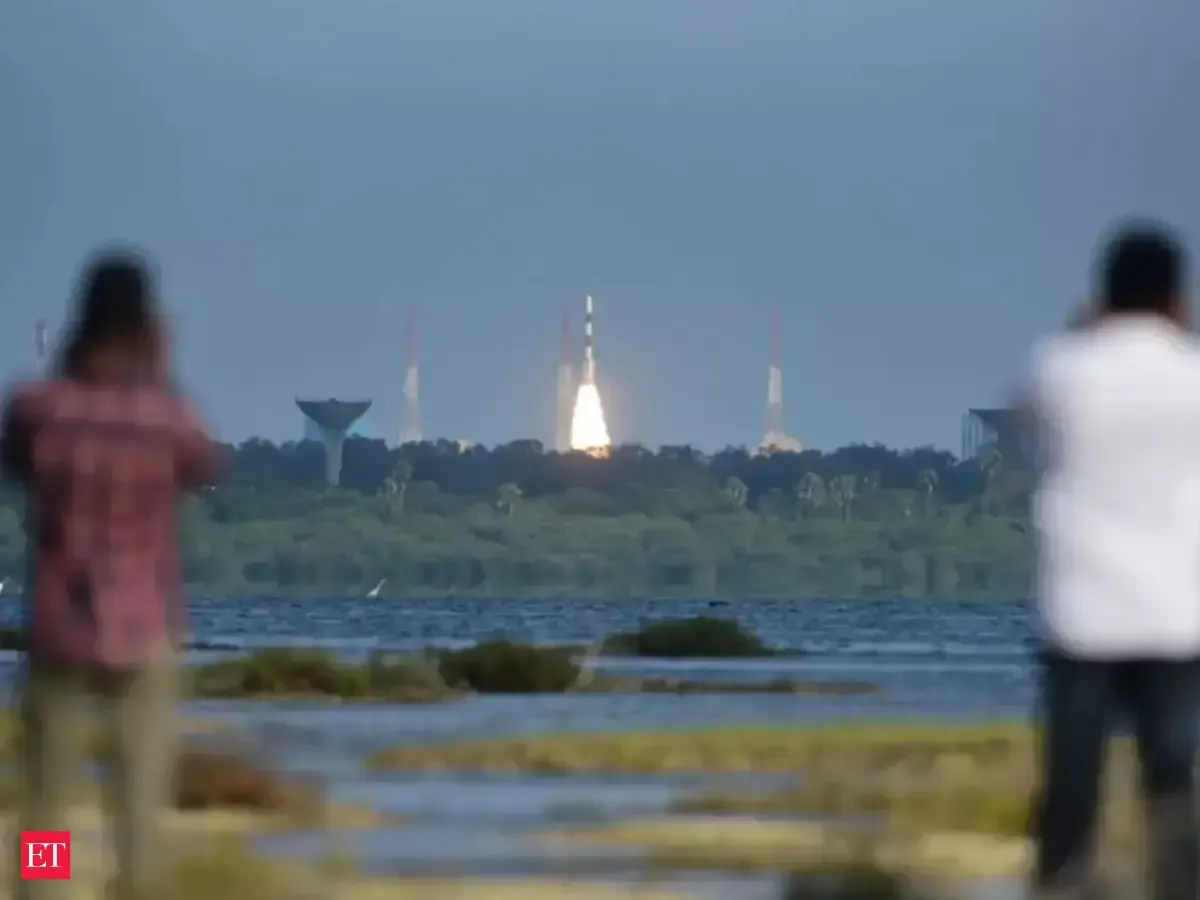
India's journey to the Moon reflects a gradual evolution in rocket technology, progressing from the Polar Satellite Launch Vehicle (PSLV) to the more powerful Launch Vehicle Mark-3 (LVM3). PSLV, first launched in 1993, became central to deploying Earth-observation and navigation satellites and supported missions like Chandrayaan-1 and Mars Orbiter. To carry heavier payloads for communication and deep space missions, India developed LVM3, which successfully launched Chandrayaan-2 and Chandrayaan-3, marking significant milestones in the country's lunar exploration efforts.

Sentiment
78%
TBN's observations

First-hand measurement across 2 sources

We measured how 2 outlets covered this story. No outlet gave this story a measurable political slant — there is no left–right reading to report. Overall sentiment is positive (78/100). Lens Score 34/100.

Outlets measured: economictimes, moneycontrol. See how each one headlined and framed the same story in the source comparison below.

AI analysis of 2 sources · Published under editorial oversight by The Balanced News
Analysed 8 Oct 2026· How this analysis is produced· Editorial standards· Corrections

AI Analysis

Sentiment — Positive (78/100)

Sentiment was consistent across outlets (78–78/100), indicating broadly factual reporting rather than editorialising.

Coverage timeline

moneycontrol broke this story on 8 Oct, 05:23 am. Other outlets followed.

8 Oct, 05:23 am2 sources · 83 min8 Oct, 06:47 am
AI analysis by the TBN Bias Engine · beat methodology byAshwin Alsi· Technology Editor· editorial standards byOjas Kale
← Previous
Google Launches AI Tools for Creating Games and Films with Simple Prompts
Next →
India Plans to Expand 5G Users to One Billion by 2030, Pursues 6G Leadership
1
moneycontrol8 Oct, 05:23 am
World Space Week 2026: From PSLV to LVM3, how India built rockets powerful enough to reach the moon?- Moneycontrol.com
  • 2
    economictimes8 Oct, 06:47 am
    World Space Week 2026: India's moon shot was built one rocket at a time, from PSLV to LVM3
  • Who's involved

    Institutions and figures named across source coverage.

    Government
    Indian Space Research Organisation

    Story context

    Category
    Tech
    Location
    India
    Sources analysed
    2
    Last analysed
    8 Oct 2026
    Key entities
    LVM3Polar Satellite Launch VehicleRocketMoonIndiaSatelliteLiquid-propellant rocketLaunch vehicleSpacecraftChandrayaan-1Geocentric orbitCommunications satellite