Skip to content
Get the Balanced News app for a better experience!
The Balanced News Logo
Analytics
The Balanced News Logo

Stay Balanced, Stay Informed

Menu
  • Browse News
  • Underreported Stories
  • Curated Feeds
  • Insights
  • Analytics
  • Our Writers
  • About Us
  • Download App
Learn
  • How It Works
  • Bias Detection
  • Lens Score
  • Source Bias Checker
  • Accountability
  • Custom Feeds
Newsroom
  • Writers & Analysts
  • About TBN
  • Editorial Standards
  • Corrections Policy
  • Our Partners
  • Insights
Socials
  • Youtube
  • Instagram
  • X
  • Facebook
News Categories
  • Trending
  • Politics
  • Sports
  • Business
  • Tech
  • Entertainment
  • Health
  • Science
  • Crime
  • Lifestyle
  • National
  • International
  • Good News
  • Crypto

Get Our App

Available for iOS and Android


LensFeedsInsightsAnalyticsTrendingGood NewsSportsPoliticsBusinessCrimeTechEntertainmentHealthNationalInternational

© 2026 The Balanced News. All rights reserved.

About UsEditorial StandardsCorrectionsHelp & SupportPrivacy PolicyTerms & Conditions
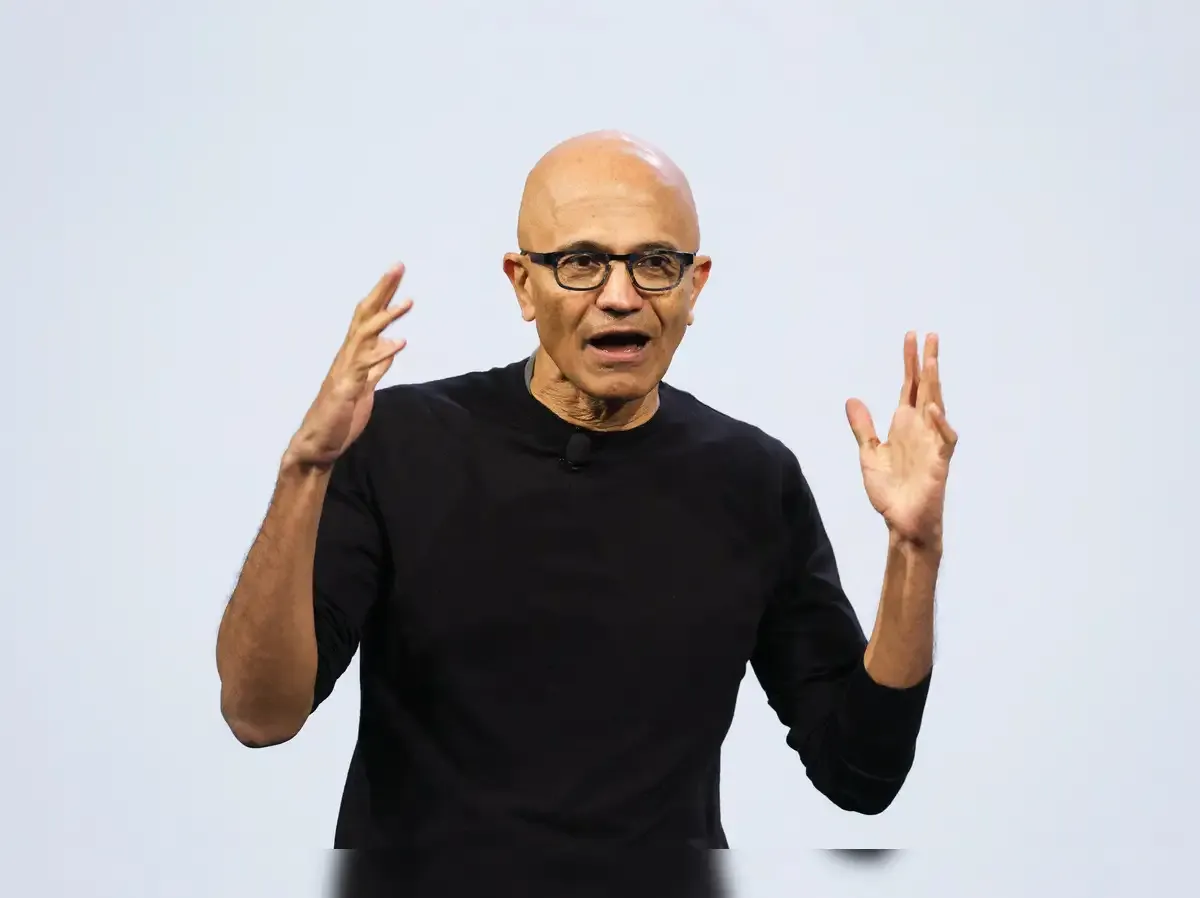
Microsoft Unveils Maia 300 AI Chip to Reduce Nvidia Dependence Starting 2027
Categories

Categories

Related Coverage

Select a news story to see related coverage from other media outlets.

Related Coverage

Select a news story to see related coverage from other media outlets.

  1. Home
  2. /
  3. Technology

Microsoft Unveils Maia 300 AI Chip to Reduce Nvidia Dependence Starting 2027

Analysed 12 Oct 2026·5 sources analysed·Australia·Technology
Microsoft Unveils Maia 300 AI Chip to Reduce Nvidia Dependence Starting 2027Next

Microsoft announced its third-generation Maia 300 AI chip, set for deployment at gigawatt scale starting in 2027 to reduce reliance on Nvidia GPUs. The Maia 300 promises 40% more AI tokens per watt than leading GPU systems, improving energy efficiency for AI inference tasks across Microsoft products like Teams and Copilot. The chip uses a chiplet-based design optimized for complex AI workloads and will become the primary hardware for AI services in Microsoft's data centers across multiple regions.

Sentiment
71%
TBN's observations

First-hand measurement across 4 sources

We measured how 4 outlets covered this story. No outlet gave this story a measurable political slant — there is no left–right reading to report. Overall sentiment is positive (71/100). Lens Score 42/100.

Outlets measured: mint, firstpost, indiatoday, moneycontrol. See how each one headlined and framed the same story in the source comparison below.

AI analysis of 4 sources · Published under editorial oversight by The Balanced News
Analysed 12 Oct 2026· How this analysis is produced· Editorial standards· Corrections

AI Analysis

Sentiment — Positive (71/100)

Sentiment was consistent across outlets (74–75/100), indicating broadly factual reporting rather than editorialising.

Coverage timeline

moneycontrol broke this story on 12 Oct, 01:17 pm. Other outlets followed.

12 Oct, 01:17 pm4 sources · 56 min12 Oct, 02:13 pm
AI analysis by the TBN Bias Engine · beat methodology byAshwin Alsi· Technology Editor· editorial standards byOjas Kale
Next →
Andhra Pradesh CM Launches AI-Powered Venkatadri App for Tirumala Pilgrims
  1. 1
    moneycontrol12 Oct, 01:17 pm
    Microsoft bets on homegrown AI chip to challenge Nvidia- Moneycontrol.com
  2. 2
    indiatoday12 Oct, 01:34 pm
    Microsoft unveils Maia 300 to cut AI chip dependence on Nvidia and AMD
  3. 3
    firstpost12 Oct, 01:45 pm
    Microsoft unveils Maia 300 AI chip to reduce reliance on Nvidia GPUs
  4. 4
    mint12 Oct, 02:13 pm
    Microsoft bets on homegrown AI chips to cut Nvidia dependence: What we know Mint

Who's involved

Institutions and figures named across source coverage.

Corporate
Taiwan Semiconductor Manufacturing CompanyNvidia CorporationMicrosoft CorporationAdvanced Micro Devices, Inc.

Story context

Category
Tech
Location
Australia
Sources analysed
5
Last analysed
12 Oct 2026
Key entities
NvidiaArtificial intelligenceMicrosoftComputingGraphics processing unitCloud computingData centerOpenAI19-inch rackEuropeSiliconElectricity