India Advances Human Spaceflight and Plans Modular Space Station by 2035
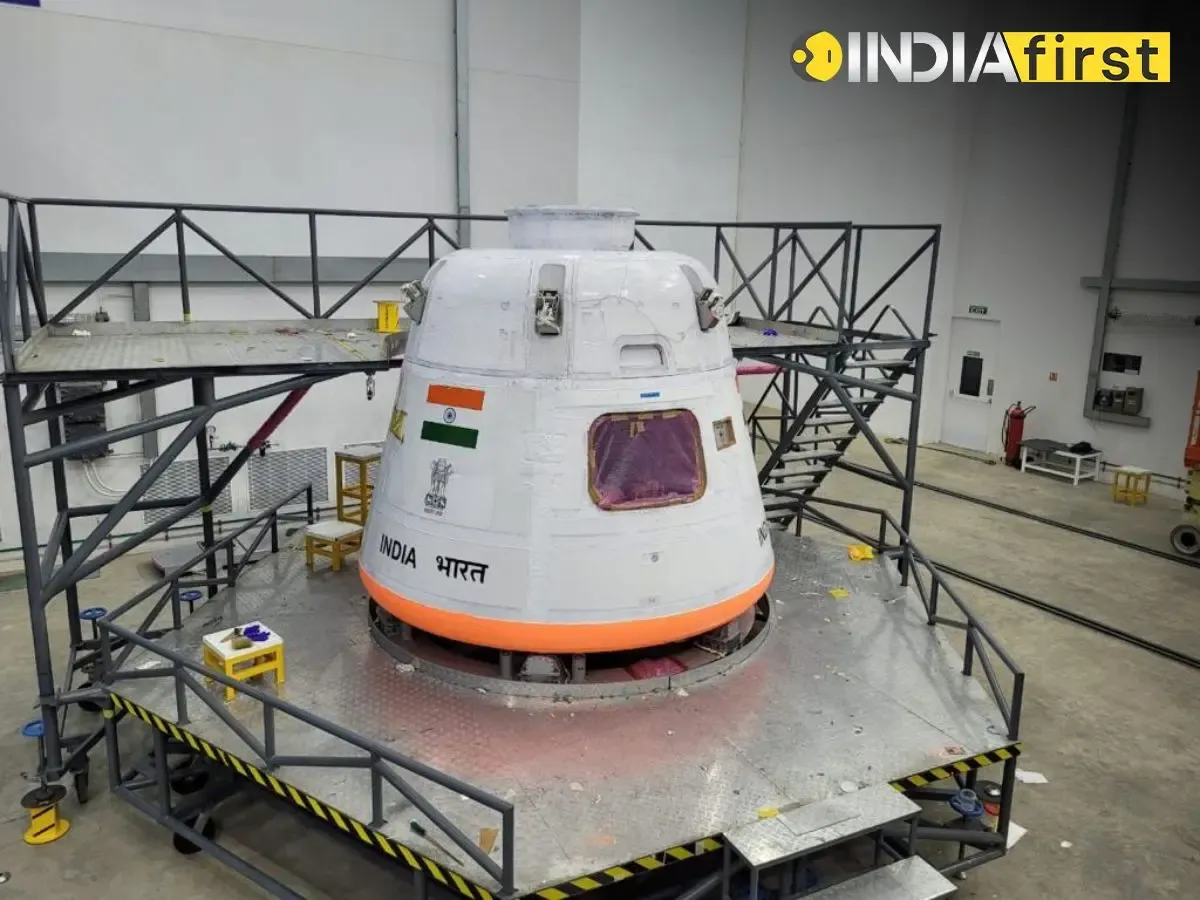
India is advancing its space ambitions with two major projects: the Gaganyaan mission aims to send Indian astronauts into low Earth orbit using the human-rated Launch Vehicle Mark-3, marking the country's first independent human spaceflight. Concurrently, ISRO plans to develop the Bharatiya Antariksha Station, a modular space station intended to succeed the International Space Station by 2035, positioning India among leading spacefaring nations and expanding its role in the global space economy.
First-hand measurement across 2 sources
We measured how 2 outlets covered this story. Coverage leans balanced overall (Left 5%, Centre 90%, Right 5%). Overall sentiment is positive (78/100). Lens Score 32/100 — low public interest.
Outlets analysed (first-hand measurement by TBN's Bias Engine):
- zeenews— balanced framing, positive sentiment
- wion— balanced framing, positive sentiment
AI Analysis
The articles present India's space initiatives with a focus on national achievement and technological progress, reflecting a perspective that highlights government-led advancements without overt political critique. Both sources emphasize India's growing capabilities and ambitions in space, framing the narrative around national pride and strategic positioning, with limited representation of dissenting or alternative viewpoints.
The overall tone across the articles is positive and aspirational, emphasizing India's technological milestones and future plans in space exploration. The coverage highlights achievements and ambitions, portraying the developments as significant steps forward, with minimal critical or negative sentiment.
How 2 sources covered this story
Each source's own headline, political lean, and sentiment — so you can see framing differences at a glance.