NASA Launches Link Spacecraft to Boost Aging Swift Observatory's Orbit
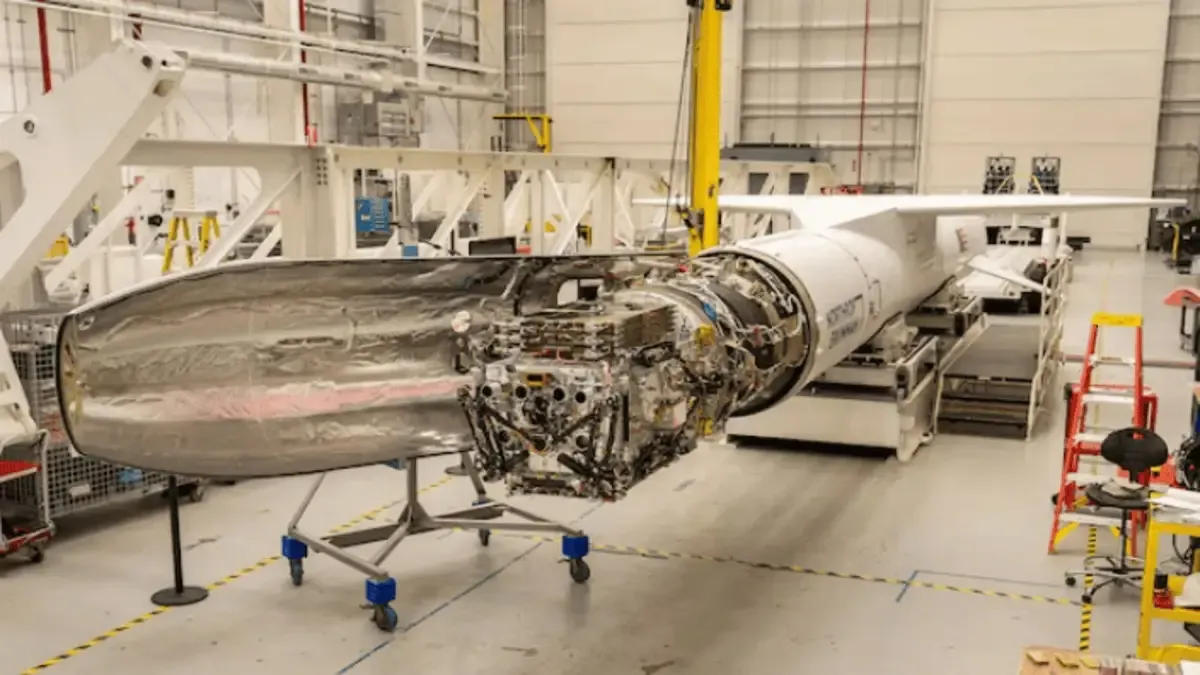
NASA and Katalyst Space Technologies launched the Link spacecraft on July 3 to rescue the aging Swift Observatory, which is losing altitude due to increased atmospheric drag and solar storms. The mission aims to capture and boost Swift into a higher orbit, extending its scientific life beyond its expected October re-entry. The launch faced multiple delays from weather and technical issues before succeeding. If successful, Swift could resume observations by September, with similar missions considered for other satellites like Hubble.
First-hand measurement across 7 sources
We measured how 7 outlets covered this story. Coverage leans balanced overall (Left 1%, Centre 98%, Right 1%). Overall sentiment is positive (69/100). Lens Score 35/100 — moderate-to-low public interest.
Outlets analysed (first-hand measurement by TBN's Bias Engine):
- economictimes— balanced framing, positive sentiment
- indiatoday— balanced framing, positive sentiment
- thetribune— balanced framing, positive sentiment
- businessstandard— balanced framing, positive sentiment
- indiatoday— balanced framing, positive sentiment
- economictimes— balanced framing, neutral sentiment
- republicworld— balanced framing, neutral sentiment
AI Analysis
The article group presents a largely technical and scientific narrative focused on NASA's mission without evident political framing. Coverage includes perspectives from NASA, Katalyst Space Technologies, and technical details about the mission, reflecting a consensus on the importance of the rescue operation. There is no significant partisan or ideological bias, as the sources emphasize the mission's challenges and potential benefits.
The overall tone across the articles is cautiously optimistic, highlighting the mission's high-risk nature alongside its potential to extend the Swift Observatory's operational life. While acknowledging delays and technical difficulties, the coverage maintains a positive outlook on the mission's significance and prospects, balancing concerns with hope for successful completion.