Skip to content
Get the Balanced News app for a better experience!
The Balanced News Logo
Analytics
The Balanced News Logo

Stay Balanced, Stay Informed

Menu
  • Browse News
  • Underreported Stories
  • Curated Feeds
  • Insights
  • Analytics
  • Our Writers
  • About Us
  • Download App
Learn
  • How It Works
  • Bias Detection
  • Lens Score
  • Source Bias Checker
  • Accountability
  • Custom Feeds
Newsroom
  • Writers & Analysts
  • About TBN
  • Editorial Standards
  • Corrections Policy
  • Our Partners
  • Insights
Socials
  • Youtube
  • Instagram
  • X
  • Facebook
News Categories
  • Trending
  • Politics
  • Sports
  • Business
  • Tech
  • Entertainment
  • Health
  • Science
  • Crime
  • Lifestyle
  • National
  • International
  • Good News
  • Crypto

Get Our App

Available for iOS and Android


LensFeedsInsightsAnalyticsTrendingGood NewsSportsPoliticsBusinessCrimeTechEntertainmentHealthNationalInternational

© 2026 The Balanced News. All rights reserved.

About UsEditorial StandardsCorrectionsHelp & SupportPrivacy PolicyTerms & Conditions
Astronomers Discover Potentially Habitable Super-Earth 25 Light-Years Away
Categories

Categories

Related Coverage

Select a news story to see related coverage from other media outlets.

Related Coverage

Select a news story to see related coverage from other media outlets.

  1. Home
  2. /
  3. Technology

Astronomers Discover Potentially Habitable Super-Earth 25 Light-Years Away

Analysed 6 Jul 2026·2 sources analysed·Arizona, United States·Technology
Astronomers Discover Potentially Habitable Super-Earth 25 Light-Years AwayPreviousNext

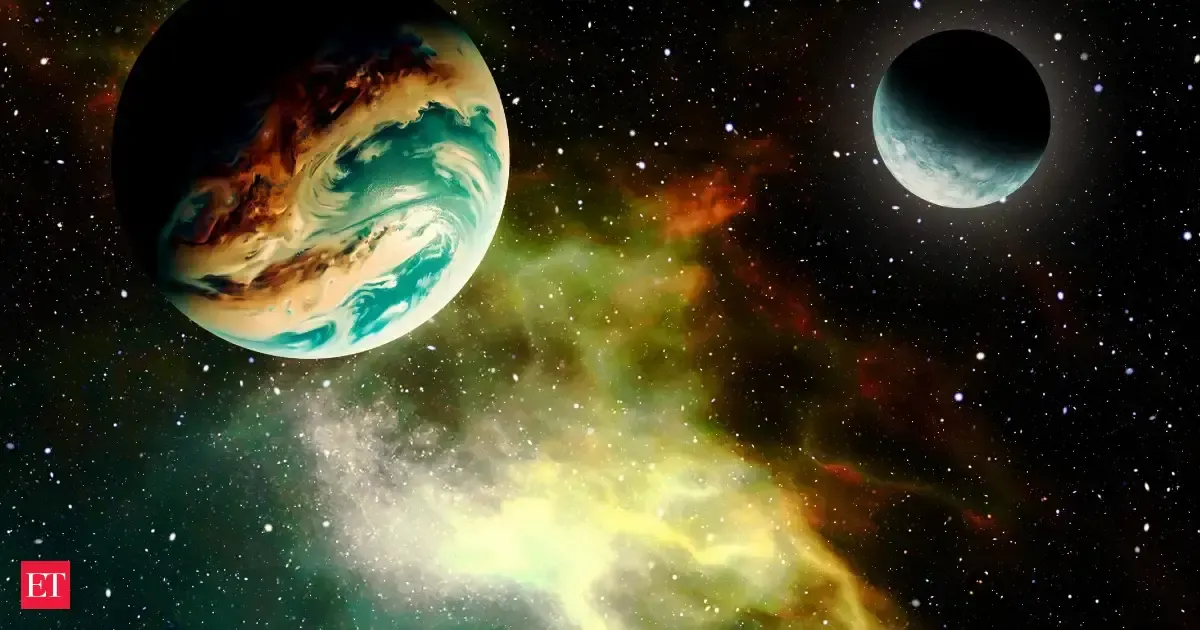
Astronomers at the University of California, Irvine have discovered GJ 3378b, a 'super-Earth' exoplanet about 25 light-years from Earth. This rocky planet, roughly twice Earth's size, orbits within its star's habitable 'Goldilocks' zone, receiving similar energy to Earth, which could allow liquid water if it has an atmosphere. However, the presence of an atmosphere remains uncertain, as red dwarf stars can emit radiation that may strip atmospheres. Future observations aim to clarify its potential for supporting life.

TBN's observations

First-hand measurement across 2 sources

We measured how 2 outlets covered this story. Coverage leans balanced overall (Left 0%, Centre 100%, Right 0%). Overall sentiment is positive (75/100). Lens Score 30/100 — low public interest.

Outlets analysed (first-hand measurement by TBN's Bias Engine):

  • economictimes— balanced framing, positive sentiment
  • mint— balanced framing, positive sentiment
Political Bias
0%100%0%
Sentiment
75%
AI analysis of 2 sources · Published under editorial oversight by The Balanced News
Analysed 6 Jul 2026· How this analysis is produced· Editorial standards· Corrections

AI Analysis

Political bias across 2 sources
● Left 0%● Center 100%● Right 0%

The article group presents a scientific discovery without political framing, focusing on factual reporting from academic sources. Both articles emphasize the research led by UC Irvine astronomers and include expert quotes, maintaining a neutral stance. There is no evident political perspective or ideological bias, as the coverage centers on the scientific significance and uncertainties of the exoplanet.

Sentiment — Positive (75/100)

The overall tone across the articles is cautiously optimistic, highlighting excitement about the discovery while acknowledging uncertainties regarding the planet's atmosphere and habitability. The sentiment balances enthusiasm for potential life-supporting conditions with scientific caution, avoiding sensationalism and maintaining an informative, measured approach.

How 2 sources covered this story

Each source's own headline, political lean, and sentiment — so you can see framing differences at a glance.

Reviewed byAshwin Alsi· Technology Editor· Edited byOjas Kale
← Previous
Nothing Phone 4b Launch Scheduled; Phone 3 Receives Major Price Cut in India
Next →
Skyroot's Vikram-I to Launch Technology and Artistic Payloads Including Microart Tribute
SourceTheir headlineBiasSentiment
economictimesSuper Earth near our Solar System: Scientists find potentially habitable planet that receives almost the same sunlight as Earth lies in perfect 'Goldilocks Zone' for lifeCenterPositive
mintScientists discover potentially habitable 'super-Earth' just 25 light-years from our solar system MintCenterPositive

Coverage timeline

mint broke this story on 5 Jul, 09:22 pm. Other outlets followed.

  1. 1
    mint5 Jul, 09:22 pm
    Scientists discover potentially habitable 'super-Earth' just 25 light-years from our solar system Mint
  2. 2
    economictimes6 Jul, 11:42 am
    Super Earth near our Solar System: Scientists find potentially habitable planet that receives almost the same sunlight as Earth lies in perfect 'Goldilocks Zone' for life

Lens Score breakdown

30/100
Public interest0/100
Coverage gap100%

Well-covered story — coverage matches public importance.

Who's involved

Institutions and figures named across source coverage.

Government
National Science FoundationNASA

Story context

Category
Tech
Location
Arizona, United States
Sources analysed
2
Last analysed
6 Jul 2026
Key entities
University of California, IrvineLight-yearSolar SystemAtmosphereWaterEarthSuper-EarthThe Astrophysical JournalPlanetary habitabilityAstronomerRadiationSpectrometer