Meta Launches Muse Image AI Tool Across Instagram, WhatsApp, and Meta AI App
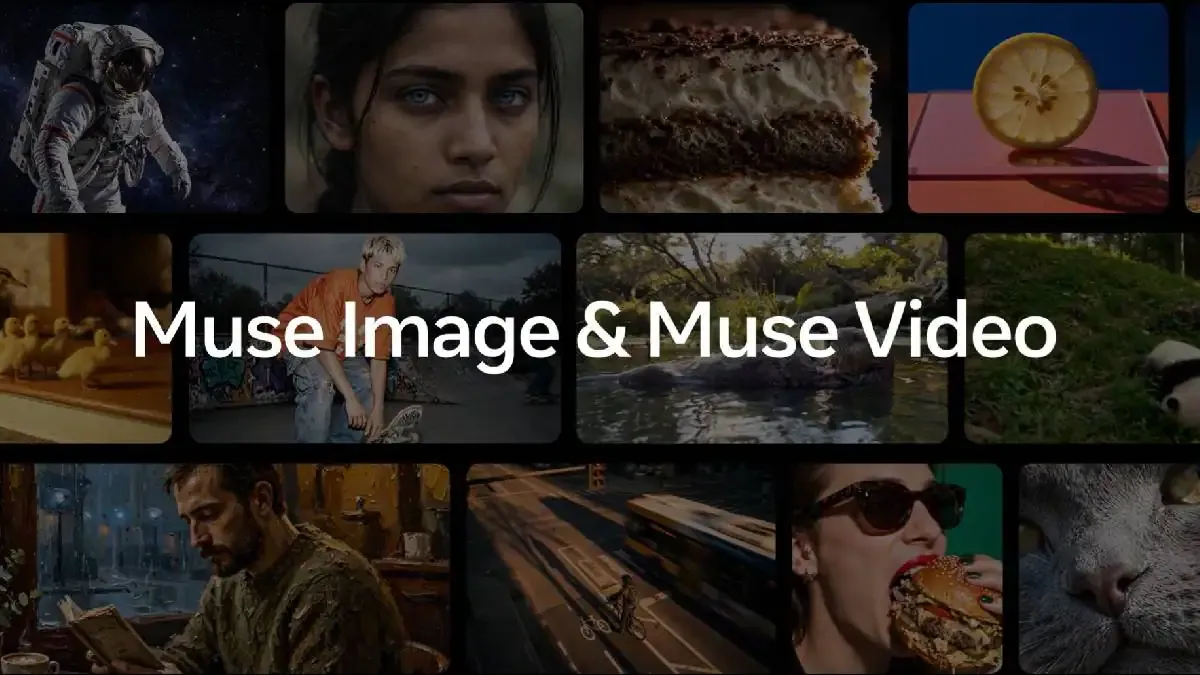
Meta has launched Muse Image, its first AI image-generation model developed by Meta Superintelligence Labs, integrated across Instagram, WhatsApp, and the Meta AI app. Muse Image enables users to create and edit images using text prompts, sketches, and multiple photo inputs, with features like AI-assisted editing, creative presets, and QR code generation. While basic use is free, advanced capabilities require a subscription. The tool can access public Instagram photos for image creation by default, raising privacy concerns, though users can opt out or set accounts to private. Meta also previewed Muse Video, expanding its generative AI offerings.
First-hand measurement across 8 sources
We measured how 8 outlets covered this story. Coverage leans balanced overall (Left 1%, Centre 98%, Right 1%). Overall sentiment is positive (66/100). Lens Score 32/100 — low public interest.
Outlets analysed (first-hand measurement by TBN's Bias Engine):
- republicworld— balanced framing, neutral sentiment
- indiatoday— balanced framing, neutral sentiment
- thehindu— balanced framing, positive sentiment
- hindustantimes— balanced framing, positive sentiment
- freepressjournal— balanced framing, positive sentiment
- timesnow— balanced framing, positive sentiment
- firstpost— balanced framing, neutral sentiment
- economictimes— balanced framing, positive sentiment
AI Analysis
The article group presents a range of perspectives focusing on Meta's technological advancements and privacy implications without partisan framing. Coverage includes Meta's corporate strategy and AI development efforts, alongside user privacy concerns raised by the new features. Sources balance promotional aspects with critical viewpoints on data use, reflecting both industry enthusiasm and public apprehension.
The overall sentiment is mixed, combining positive coverage of Meta's AI innovation and expanded capabilities with cautionary tones regarding privacy and consent issues. While many articles highlight the tool's creative potential and integration, several emphasize user concerns about image use without explicit permission, resulting in a balanced tone that neither fully endorses nor condemns the development.