Skip to content
Get the Balanced News app for a better experience!
The Balanced News Logo
Analytics
The Balanced News Logo

Stay Balanced, Stay Informed

Menu
  • Browse News
  • Underreported Stories
  • Curated Feeds
  • Insights
  • Analytics
  • Our Writers
  • About Us
  • Download App
Learn
  • How It Works
  • Bias Detection
  • Lens Score
  • Source Bias Checker
  • Accountability
  • Custom Feeds
Newsroom
  • Writers & Analysts
  • About TBN
  • Editorial Standards
  • Corrections Policy
  • Our Partners
  • Insights
Socials
  • Youtube
  • Instagram
  • X
  • Facebook
News Categories
  • Trending
  • Politics
  • Sports
  • Business
  • Tech
  • Entertainment
  • Health
  • Science
  • Crime
  • Lifestyle
  • National
  • International
  • Good News
  • Crypto

Get Our App

Available for iOS and Android


LensFeedsInsightsAnalyticsTrendingGood NewsSportsPoliticsBusinessCrimeTechEntertainmentHealthNationalInternational

© 2026 The Balanced News. All rights reserved.

About UsEditorial StandardsCorrectionsHelp & SupportPrivacy PolicyTerms & Conditions
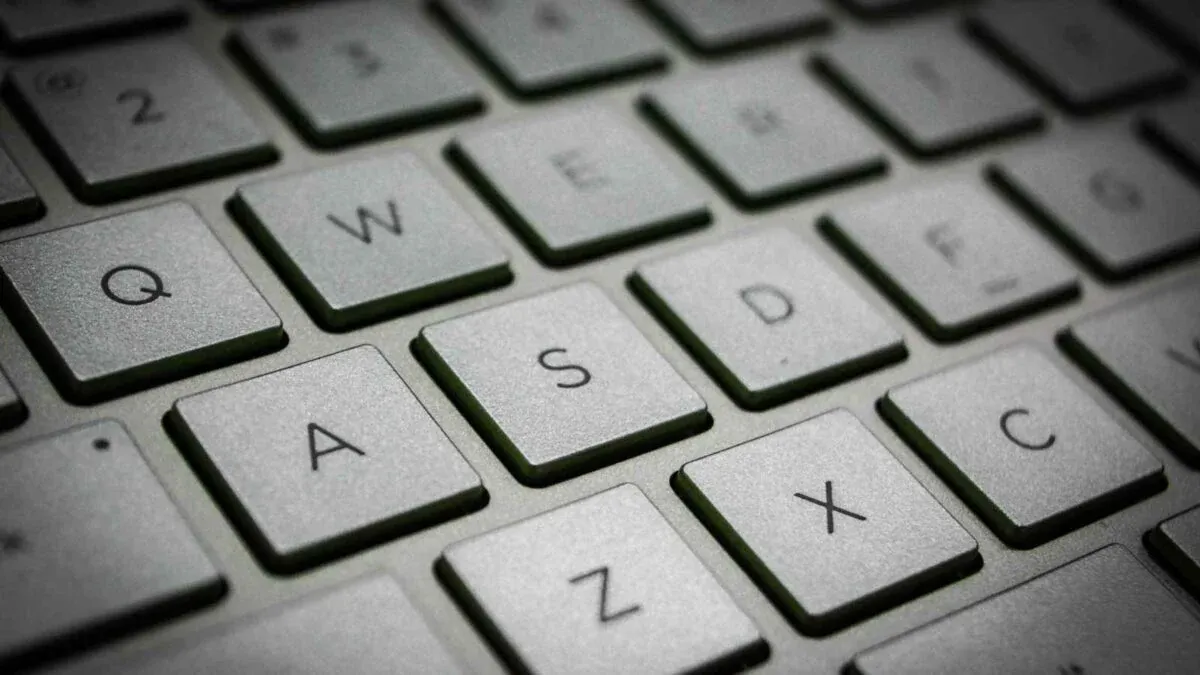
Origins and Persistence of the QWERTY Keyboard Layout Explained
Categories

Categories

Related Coverage

Select a news story to see related coverage from other media outlets.

Related Coverage

Select a news story to see related coverage from other media outlets.

  1. Home
  2. /
  3. Technology

Origins and Persistence of the QWERTY Keyboard Layout Explained

Analysed 24 Aug 2026·2 sources analysed·Technology
Origins and Persistence of the QWERTY Keyboard Layout ExplainedPreviousNext

The QWERTY keyboard layout, starting with the letters Q-W-E-R-T-Y instead of alphabetical order, originated from 19th-century typewriters designed to prevent mechanical jams. Popularized by the 1874 Sholes and Glidden typewriter, it became a global standard as typing schools and businesses adopted it. Despite alternative layouts like the Dvorak keyboard aiming for efficiency, QWERTY remains dominant due to widespread familiarity and established muscle memory, carrying over into modern computer keyboards.

Sentiment
50%
TBN's observations

First-hand measurement across 2 sources

We measured how 2 outlets covered this story. No outlet gave this story a measurable political slant — there is no left–right reading to report. Overall sentiment is neutral (50/100). Lens Score 27/100.

Outlets measured: news18, hindustantimes. See how each one headlined and framed the same story in the source comparison below.

AI analysis of 2 sources · Published under editorial oversight by The Balanced News
Analysed 24 Aug 2026· How this analysis is produced· Editorial standards· Corrections

AI Analysis

Sentiment — Neutral (50/100)

Sentiment was consistent across outlets (50–50/100), indicating broadly factual reporting rather than editorialising.

Coverage timeline

hindustantimes broke this story on 23 Aug, 12:19 pm. Other outlets followed.

23 Aug, 12:19 pm2 sources · 19 h24 Aug, 07:47 am
  1. 1
AI analysis by the TBN Bias Engine · beat methodology byAshwin Alsi· Technology Editor· editorial standards byOjas Kale
← Previous
Xiaomi Launches XRING O3 Chip Produced with TSMC’s 3nm Technology for New Devices
Next →
Google Fitbit Air Appears in Indian Stores Ahead of Official October Launch
hindustantimes23 Aug, 12:19 pm
Everyday explained: Why are keyboard letters not arranged in alphabetical order?
  • 2
    news1824 Aug, 07:47 am
    Why Don't Keyboard Letters Follow A-B-C Order? Know The Reason
  • Story context

    Category
    Tech
    Sources analysed
    2
    Last analysed
    24 Aug 2026
    Key entities
    Computer keyboardQWERTYTypewriterKeyboard layoutKeyboard instrumentE. Remington and SonsData entry clerkWords per minuteDvorak keyboard layoutAugust DvorakMuscle memory