Skip to content
Get the Balanced News app for a better experience!
The Balanced News Logo
Analytics
The Balanced News Logo

Stay Balanced, Stay Informed

Menu
  • Browse News
  • Underreported Stories
  • Curated Feeds
  • Insights
  • Analytics
  • Our Writers
  • About Us
  • Download App
Learn
  • How It Works
  • Bias Detection
  • Lens Score
  • Source Bias Checker
  • Accountability
  • Custom Feeds
Newsroom
  • Writers & Analysts
  • About TBN
  • Editorial Standards
  • Corrections Policy
  • Our Partners
  • Insights
Socials
  • Youtube
  • Instagram
  • X
  • Facebook
News Categories
  • Trending
  • Politics
  • Sports
  • Business
  • Tech
  • Entertainment
  • Health
  • Science
  • Crime
  • Lifestyle
  • National
  • International
  • Good News
  • Crypto

Get Our App

Available for iOS and Android


LensFeedsInsightsAnalyticsTrendingGood NewsSportsPoliticsBusinessCrimeTechEntertainmentHealthNationalInternational

© 2026 The Balanced News. All rights reserved.

About UsEditorial StandardsCorrectionsHelp & SupportPrivacy PolicyTerms & Conditions
Scientists Develop First Synthetic Cell Capable of Growth and Replication
Categories

Categories

Related Coverage

Select a news story to see related coverage from other media outlets.

Related Coverage

Select a news story to see related coverage from other media outlets.

  1. Home
  2. /
  3. Technology

Scientists Develop First Synthetic Cell Capable of Growth and Replication

Analysed 3 Jul 2026·8 sources analysed·La Jolla, United States·Technology
Scientists Develop First Synthetic Cell Capable of Growth and ReplicationPreviousNext

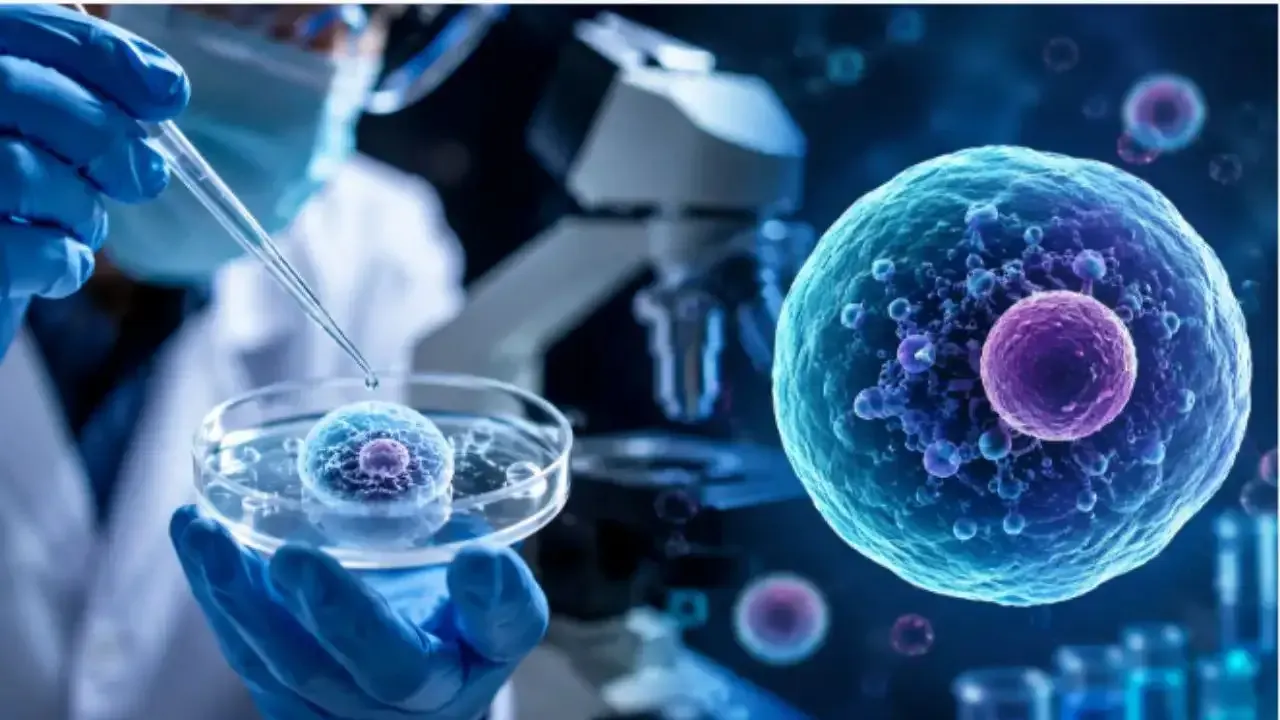
Researchers at the University of Minnesota have developed SpudCell, the world's first synthetic cell built entirely from non-living chemical components that can feed, grow, replicate its DNA, and divide like natural cells. While not yet fully alive due to reliance on external nutrients and lacking some cellular functions, SpudCell demonstrates key life-like behaviors and offers new insights into synthetic biology. The breakthrough, led by synthetic biologist Kate Adamala, could advance medicine and deepen understanding of life's origins, though the study awaits peer review.

TBN's observations

First-hand measurement across 8 sources

We measured how 8 outlets covered this story. Coverage leans balanced overall (Left 0%, Centre 100%, Right 0%). Overall sentiment is positive (75/100). Lens Score 28/100 — low public interest.

Outlets analysed (first-hand measurement by TBN's Bias Engine):

  • timesnow— balanced framing, positive sentiment
  • ndtv— balanced framing, positive sentiment
  • wion— balanced framing, positive sentiment
  • economictimes— balanced framing, positive sentiment
  • freepressjournal— balanced framing, positive sentiment
  • firstpost— balanced framing, positive sentiment
  • timesnow— balanced framing, positive sentiment
  • news18— balanced framing, positive sentiment
Political Bias
0%100%0%
Sentiment
75%
AI analysis of 8 sources · Published under editorial oversight by The Balanced News
Analysed 3 Jul 2026· How this analysis is produced· Editorial standards· Corrections

AI Analysis

Political bias across 8 sources
● Left 0%● Center 100%● Right 0%

The article group presents a scientific achievement without evident political framing, focusing on the technical and research aspects. Coverage includes perspectives from the lead researchers and scientific community, emphasizing the breakthrough's significance and limitations. There is no partisan or ideological bias; instead, sources highlight both the potential and current constraints of the synthetic cell.

Sentiment — Positive (75/100)

The overall tone across the articles is cautiously optimistic, celebrating a major scientific milestone while acknowledging the synthetic cell's current limitations and the need for further validation. The sentiment balances excitement about potential applications with measured caution regarding the cell's incomplete functionality and pending peer review.

How 8 sources covered this story

Each source's own headline, political lean, and sentiment — so you can see framing differences at a glance.

Reviewed byAshwin Alsi· Technology Editor· Edited byOjas Kale
← Previous
Samsung Galaxy S26 Camera Plans May Prioritize Price Over Hardware Upgrades
Next →
Google and FBI Disrupt NetNut Proxy Network Linked to Malware Operations
SourceTheir headlineBiasSentiment
timesnow'We Didn't Create Life': Professor Behind SpudCell, The Closest Cell Built From Scratch, Speaks Exclusively To Times Now DigitalCenterPositive
ndtvIn A First, Scientists Create 'Synthetic' Cell From Scratch: "Most Fascinating Thing"CenterPositive
wionScientists create cell in a lab, say it can 'feed, grow and replicate'CenterPositive
economictimesScientists create artificial life from chemicals, and it eats, grows, and divides like the real thingCenterPositive
freepressjournal'SpudCell': Scientists Create Synthetic Cells That Can Feed, Grow Replicate Like Natural Cells In Major BreakthroughCenterPositive
firstpostWorld's first man-made cell can eat, grow, and reproduce. Why this is a big leap for scienceCenterPositive
timesnowMedical Breakthrough! Scientists Build Cells That Can Grow and ReplicateCenterPositive
news18It Feeds, It Grows, It Divides: Scientists Create World's First Fully Artificial Cell That Can Live ReproduceCenterPositive

Coverage timeline

news18 broke this story on 1 Jul, 10:49 pm. Other outlets followed.

  1. 1
    news181 Jul, 10:49 pm
    It Feeds, It Grows, It Divides: Scientists Create World's First Fully Artificial Cell That Can Live Reproduce
  2. 2
    timesnow2 Jul, 04:16 am
    Medical Breakthrough! Scientists Build Cells That Can Grow and Replicate
  3. 3
    firstpost2 Jul, 06:11 am
    World's first man-made cell can eat, grow, and reproduce. Why this is a big leap for science
  4. 4
    freepressjournal2 Jul, 06:13 am
    'SpudCell': Scientists Create Synthetic Cells That Can Feed, Grow Replicate Like Natural Cells In Major Breakthrough
  5. 5
    economictimes2 Jul, 11:14 am
    Scientists create artificial life from chemicals, and it eats, grows, and divides like the real thing
  6. 6
    wion2 Jul, 02:25 pm
    Scientists create cell in a lab, say it can 'feed, grow and replicate'
  7. 7
    ndtv2 Jul, 03:37 pm
    In A First, Scientists Create 'Synthetic' Cell From Scratch: "Most Fascinating Thing"
  8. 8
    timesnow3 Jul, 02:42 am
    'We Didn't Create Life': Professor Behind SpudCell, The Closest Cell Built From Scratch, Speaks Exclusively To Times Now Digital

Lens Score breakdown

28/100
Public interest0/100
Coverage gap100%

Well-covered story — coverage matches public importance.

Story context

Category
Tech
Location
La Jolla, United States
Sources analysed
8
Last analysed
3 Jul 2026
Key entities
University of MinnesotaBiologySynthetic biologyOrganic compoundChemistryOrganismMoleculeCell (biology)NutrientRibosomeDNA replicationBase pair