Scientists Develop Edible Cookies from Plastic Waste and Agricultural Residue
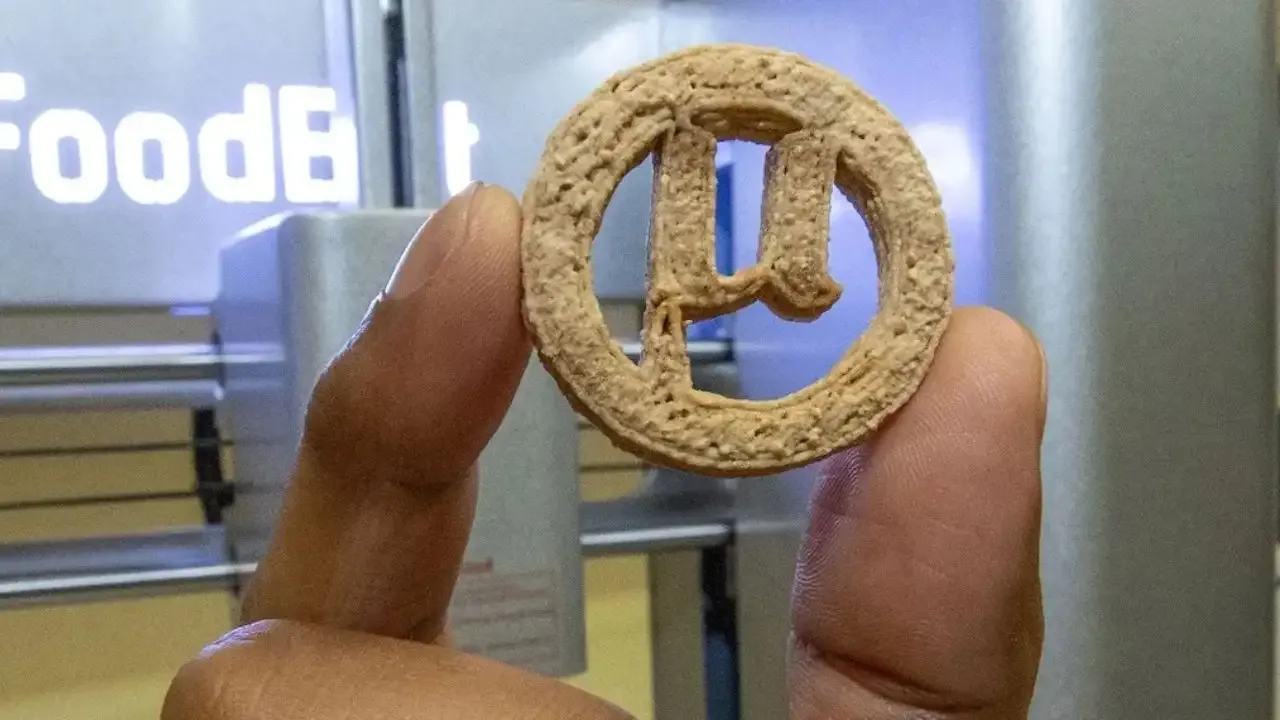
Researchers at Southern Illinois University Carbondale, supported by NASA, have developed μBites—3D-printed, protein-rich cookies made by converting plastic bottles and agricultural waste into edible biomass using genetically engineered yeast. The process breaks down PET plastic into compounds microbes can consume, producing proteins and fats. Presented at the American Chemical Society meeting, this innovation aims to address food insecurity and plastic pollution, with potential applications in disaster zones and space missions. The cookies await tasting approval, and experts question scalability.
First-hand measurement across 7 sources
We measured how 7 outlets covered this story. No outlet gave this story a measurable political slant — there is no left–right reading to report. Overall sentiment is positive (64/100). Lens Score 34/100.
Outlets measured: timesnow, news18, economictimes, firstpost, wion, moneycontrol, ndtv. See how each one headlined and framed the same story in the source comparison below.
AI Analysis
Sentiment was consistent across outlets (55–75/100), indicating broadly factual reporting rather than editorialising.
Coverage timeline
ndtv broke this story on 25 Aug, 04:58 am. Other outlets followed.