Skip to content
Get the Balanced News app for a better experience!
The Balanced News Logo
Analytics
The Balanced News Logo

Stay Balanced, Stay Informed

Menu
  • Browse News
  • Underreported Stories
  • Curated Feeds
  • Insights
  • Analytics
  • Our Writers
  • About Us
  • Download App
Learn
  • How It Works
  • Bias Detection
  • Lens Score
  • Source Bias Checker
  • Accountability
  • Custom Feeds
Newsroom
  • Writers & Analysts
  • About TBN
  • Editorial Standards
  • Corrections Policy
  • Our Partners
  • Insights
Socials
  • Youtube
  • Instagram
  • X
  • Facebook
News Categories
  • Trending
  • Politics
  • Sports
  • Business
  • Tech
  • Entertainment
  • Health
  • Science
  • Crime
  • Lifestyle
  • National
  • International
  • Good News
  • Crypto

Get Our App

Available for iOS and Android


LensFeedsInsightsAnalyticsTrendingGood NewsSportsPoliticsBusinessCrimeTechEntertainmentHealthNationalInternational

© 2026 The Balanced News. All rights reserved.

About UsEditorial StandardsCorrectionsHelp & SupportPrivacy PolicyTerms & Conditions
FCC Approves SpaceX's Plan to Launch One Million Satellites for AI Data Centers
Categories

Categories

Related Coverage

Select a news story to see related coverage from other media outlets.

Related Coverage

Select a news story to see related coverage from other media outlets.

  1. Home
  2. /
  3. Technology

FCC Approves SpaceX's Plan to Launch One Million Satellites for AI Data Centers

Analysed 28 Nov 2026·2 sources analysed·Technology
FCC Approves SpaceX's Plan to Launch One Million Satellites for AI Data CentersNext

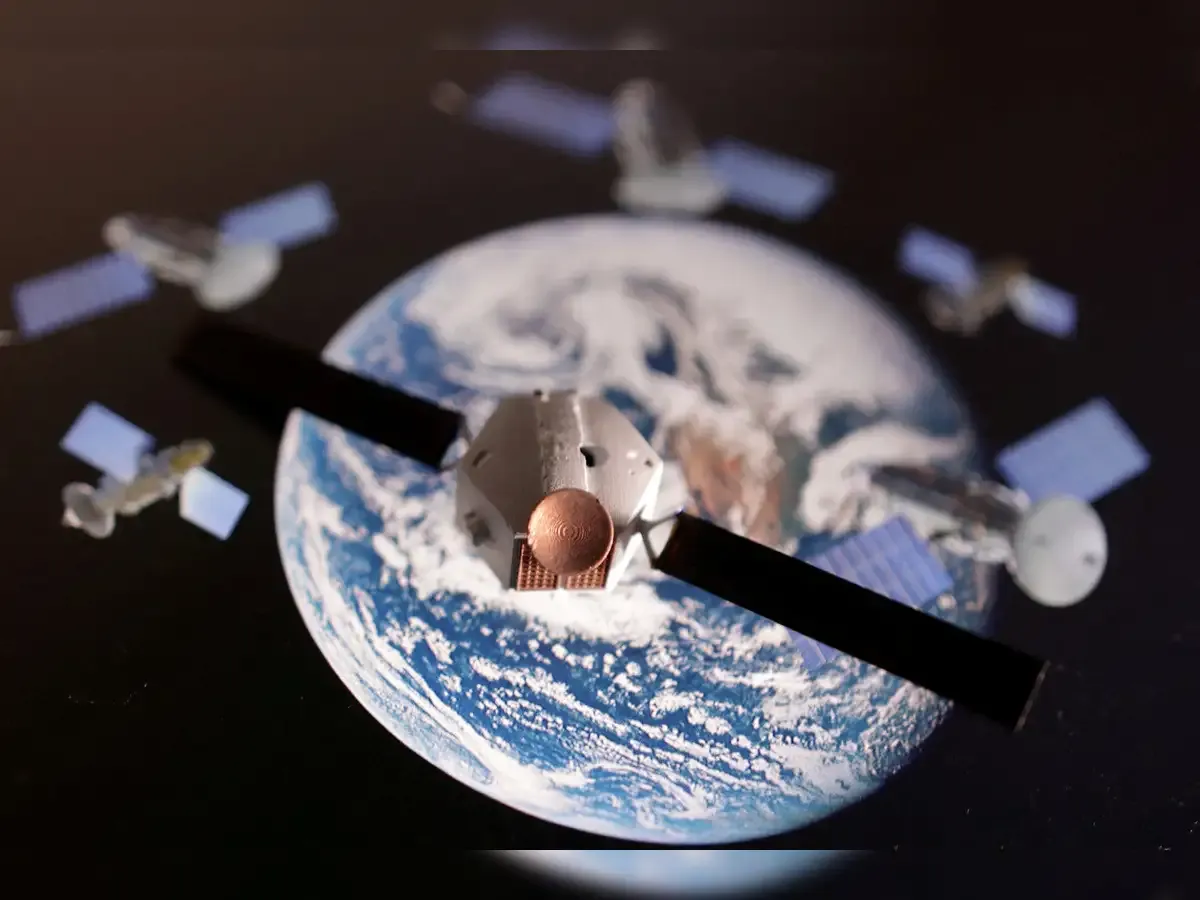
The US Federal Communications Commission has authorized SpaceX to deploy 1 million satellites under its Starmind constellation to support AI data centers in space, significantly increasing the number of satellites orbiting Earth. While this expansion aims to meet growing AI computing demands, scientists and regulators express concerns about increased space debris, atmospheric pollution, and impacts on astronomical observations. A University College London study estimates emissions from launches and re-entries could rise 70 to 150 times, potentially affecting ozone and air quality. The FCC noted environmental impact assessments fall outside its jurisdiction.

Sentiment
50%
TBN's observations

First-hand measurement across 2 sources

We measured how 2 outlets covered this story. No outlet gave this story a measurable political slant — there is no left–right reading to report. Overall sentiment is neutral (50/100). Lens Score 47/100.

Outlets measured: economictimes, indianexpress. See how each one headlined and framed the same story in the source comparison below.

AI analysis of 2 sources · Published under editorial oversight by The Balanced News
Analysed 28 Nov 2026· How this analysis is produced· Editorial standards· Corrections

AI Analysis

Sentiment — Neutral (50/100)

Sentiment was consistent across outlets (48–52/100), indicating broadly factual reporting rather than editorialising.

Coverage timeline

indianexpress broke this story on 28 Nov, 02:56 am. Other outlets followed.

28 Nov, 02:56 am2 sources · 48 min28 Nov, 03:43 am
AI analysis by the TBN Bias Engine · beat methodology byAshwin Alsi· Technology Editor· editorial standards byOjas Kale
Next →
Samsung Galaxy Watch 8 Gains Advanced Health Features with Latest Update
1
indianexpress28 Nov, 02:56 am
What happens to Earth's environment if SpaceX launches 1 million satellites?
  • 2
    economictimes28 Nov, 03:43 am
    Explainer: A million satellites? What SpaceX's Starmind could mean for Earth and space
  • Who's involved

    Institutions and figures named across source coverage.

    Government
    United States Federal Communications CommissionFederal Communications Commission
    Corporate
    Space Exploration Technologies CorporationSpaceX

    Story context

    Category
    Tech
    Sources analysed
    2
    Last analysed
    28 Nov 2026
    Key entities
    Starmind (novel)Space debrisSpaceXOrbitFederal Communications CommissionAir pollutionSatelliteEarthStarlinkData centerAstronomyArtificial intelligence